 Save to Pinterest
 My aunt brought candied yams to Thanksgiving one year that tasted nothing like the marshmallow-heavy casserole I expected, and I haven't stopped thinking about them since. The moment I tasted that nutty brown butter mixed with sage, I realized this humble side dish could be genuinely sophisticated without losing its comfort-food warmth. When she finally shared her method, I was struck by how simple it was, just a few smart swaps that completely elevated the whole thing. Now it's become my version of the recipe, tweaked and retested until it feels like mine, though I always think of her when the butter starts to brown.
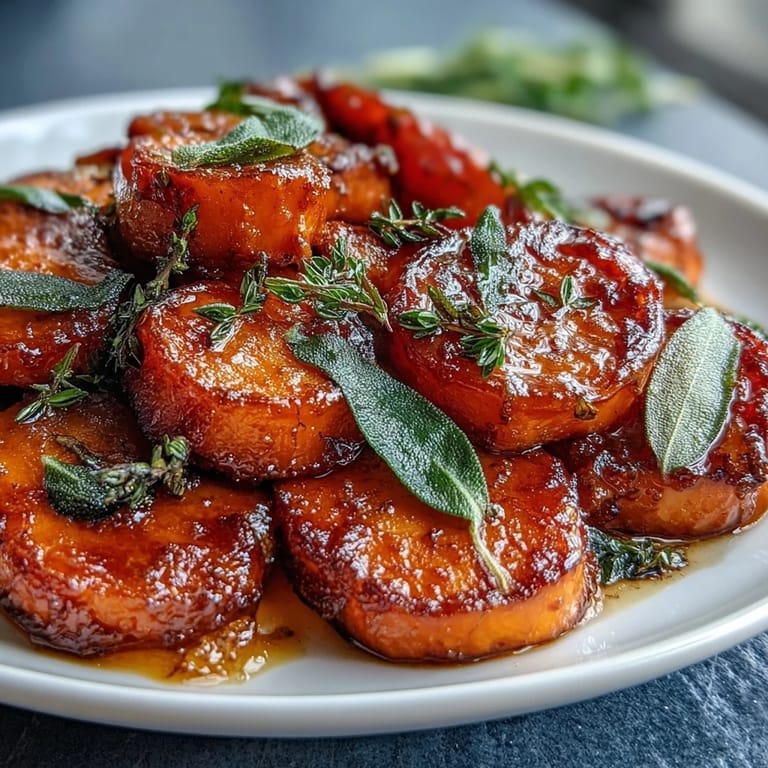
I made this for a potluck last fall and watched my roommate go back for thirds, which never happens with vegetable sides at our place. There was something about the way the glaze caught the light when she took the cover off the dish, all glossy and caramelized, that made it feel like an event. Even the people who claimed they didn't like sweet potatoes ended up converting, and one guest asked if she could take home the leftover glaze to drizzle on something else entirely.
Ingredients
- Yams: Look for ones that are similar in size so they cook evenly; peeling them is easiest when they're still raw, though a vegetable peeler saves your hands from getting sticky.
- Unsalted butter: You want to control the salt here, and using good quality butter makes the browning process more rewarding since you can really taste that nutty depth.
- Fresh sage leaves: Don't even think about dried sage for this; fresh leaves add a brightness that dried ones can't match, and you'll notice the difference immediately.
- Brown sugar: Packed brown sugar dissolves more smoothly into the glaze than loose brown sugar, making everything silky without graininess.
- Pure maple syrup: Real maple syrup has flavor that actually complements the yams rather than masking them with generic sweetness.
- Orange juice: Freshly squeezed makes a noticeable difference in brightness, but bottled works fine if that's what you have on hand.
- Spices: Cinnamon, nutmeg, salt, and vanilla extract work together to balance the sweetness and keep everything from feeling one-dimensional.
Tired of Takeout? 🥡
Get 10 meals you can make faster than delivery arrives. Seriously.
One email. No spam. Unsubscribe anytime.
Instructions
- Get your oven ready and prep the pan:
- Preheat to 375°F and grease a 9x13-inch baking dish lightly so the yams won't stick but won't absorb too much grease. This temperature is hot enough to caramelize the glaze without burning the yams.
- Layer your yams:
- Arrange the yam rounds in a single layer, overlapping them slightly if needed so they fit snugly in the dish. They'll cook more evenly when they're nestled close together.
- Brown the butter and toast the sage:
- Melt the butter over medium heat and watch it carefully as it turns from pale yellow to golden to that gorgeous nutty brown color, swirling the pan occasionally so it colors evenly. The moment it smells like toasted nuts and you see brown bits forming on the bottom, add the sage and let it sizzle for just 30 seconds until the whole thing smells like fall in a pan.
- Build your glaze:
- Remove from heat and whisk in brown sugar, maple syrup, orange juice, cinnamon, nutmeg, salt, and vanilla extract until everything is smooth and the sugar dissolves completely. The warmth of the butter helps this happen faster, and you'll see the glaze come together in about a minute of whisking.
- Coat the yams:
- Pour the glaze over the yams and toss them gently with a spatula until every piece is coated in that glossy mixture. Try to keep the yam rounds intact rather than breaking them apart.
- Covered bake:
- Cover tightly with foil and slide into the oven for 30 minutes, which allows the yams to start softening and the glaze to soak in without evaporating too fast. The foil acts like a little steam tent.
- Finish uncovered and glaze:
- Remove the foil, baste the yams with all those pan juices so they stay moist and glossy, then bake uncovered for another 15 minutes until the yams are tender and the glaze has thickened and slightly caramelized at the edges. You'll know it's done when a fork slides through a yam easily.
- Rest and serve:
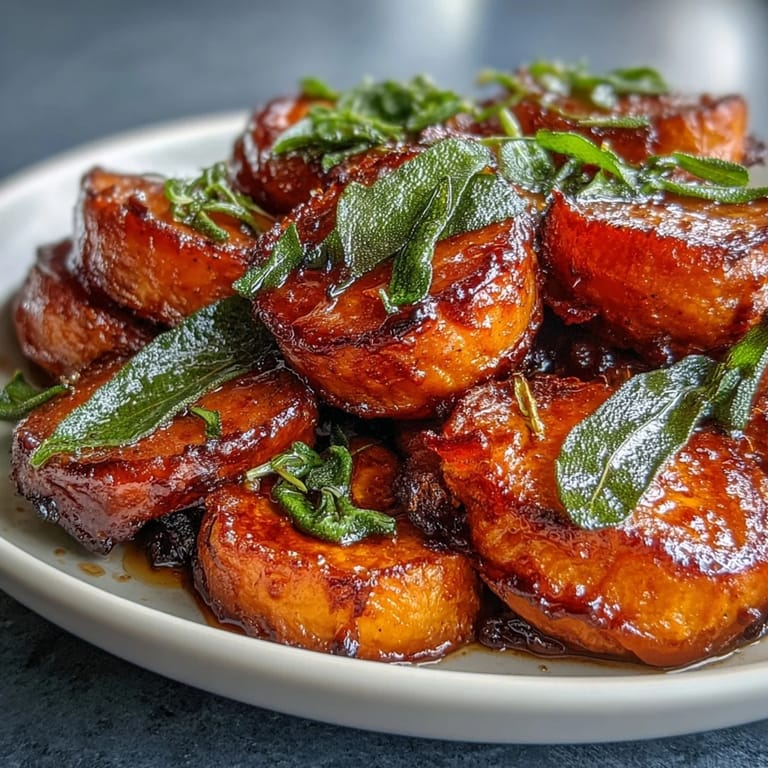
- Let everything sit for 5 minutes so the glaze sets slightly, then transfer to a serving dish and garnish with fresh sage if you want to make it pretty. The brief rest also lets the flavors meld.
 Save to Pinterest
 There's a moment right when you pull this out of the oven where the whole kitchen fills with this incredible aroma of sage and caramel and brown butter, and everyone who's been sitting in the other room suddenly appears in the kitchen asking what smells so good. That's when you know you've nailed it.
Why This Version Stands Out
Most candied yam recipes lean entirely on brown sugar and marshmallows, which can turn into a one-note sweetness that overshadows the yam's actual flavor. This version respects the yam itself by using maple syrup instead of excessive sugar and introducing sage and brown butter as savory notes that make your palate want to keep eating. The orange juice adds a subtle citrus brightness that cuts through the richness and prevents the whole dish from feeling heavy.
The Brown Butter Secret
Brown butter is one of those cooking techniques that sounds fancy but is actually just butter that you let sit in a pan until the water evaporates and the milk solids turn golden. The flavor becomes deeper, nuttier, almost like buttered popcorn but more elegant. Once you taste what brown butter does to a simple dish like this, you'll start brown buttering everything, which is a dangerous but delicious habit to develop.
Making It Your Own
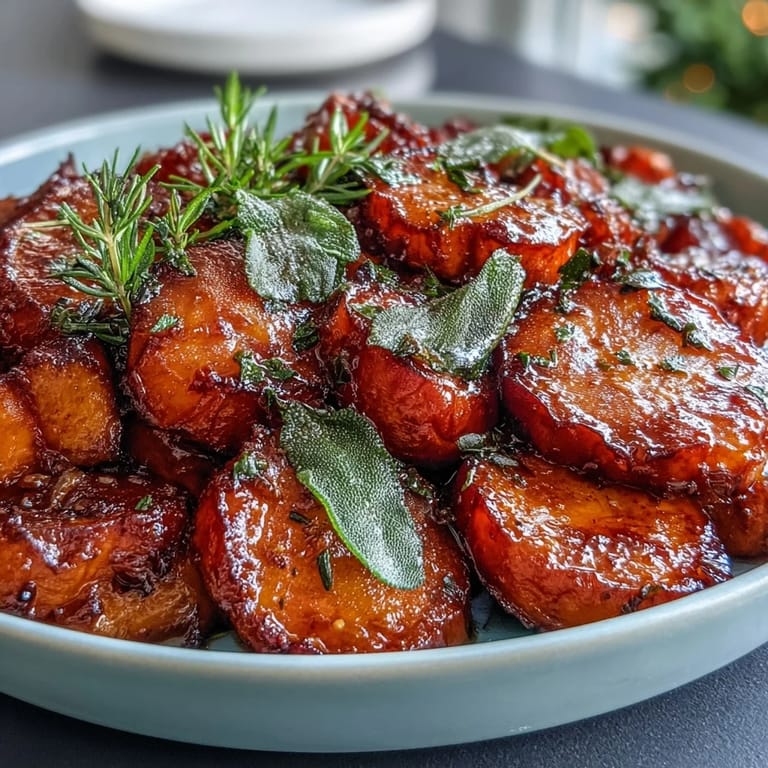
The beauty of this recipe is that it's sturdy enough to handle your personal touches without falling apart. If you want toasted pecans scattered over the top for crunch, that's brilliant and adds a textural dimension. You could substitute honey for maple syrup if that's what you have, though the flavor profile shifts slightly toward floral sweetness. The core method stays the same, and the brown butter and sage are what make this version special, so keep those.
- Toast any nuts you're adding in a dry skillet for 3-4 minutes to deepen their flavor before sprinkling them on top.
- If your yams are unusually thick, slice them a bit thinner so everything cooks in the same amount of time.
- This dish actually tastes even better the next day when the flavors have melded, so don't hesitate to make it ahead.
 Save to Pinterest
 This dish has become the thing people request when I host, and I never tire of making it because it feels like giving someone something genuinely good. It's the kind of recipe that proves you don't need to be complicated to be memorable.
Recipe FAQs
- → What type of yams work best for this dish?
Use firm, sweet yams or sweet potatoes peeled and sliced into rounds for even cooking and texture.
- → How do you achieve the brown butter flavor?
Gently melt butter over medium heat until it turns golden and releases a nutty aroma, then mix with fresh sage before combining with other ingredients.
- → Can I prepare the glaze ahead of time?
Yes, the brown butter-sage glaze can be made in advance and stored refrigerated; rewarm gently before coating the yams.
- → What alternatives exist for maple syrup in the glaze?
Honey makes a great substitute, offering similar sweetness and depth to complement the spices and butter.
- → How can I add crunch to the final dish?
Sprinkle toasted pecans over the glazed yams just before serving for an added texture contrast.