 Save to Pinterest
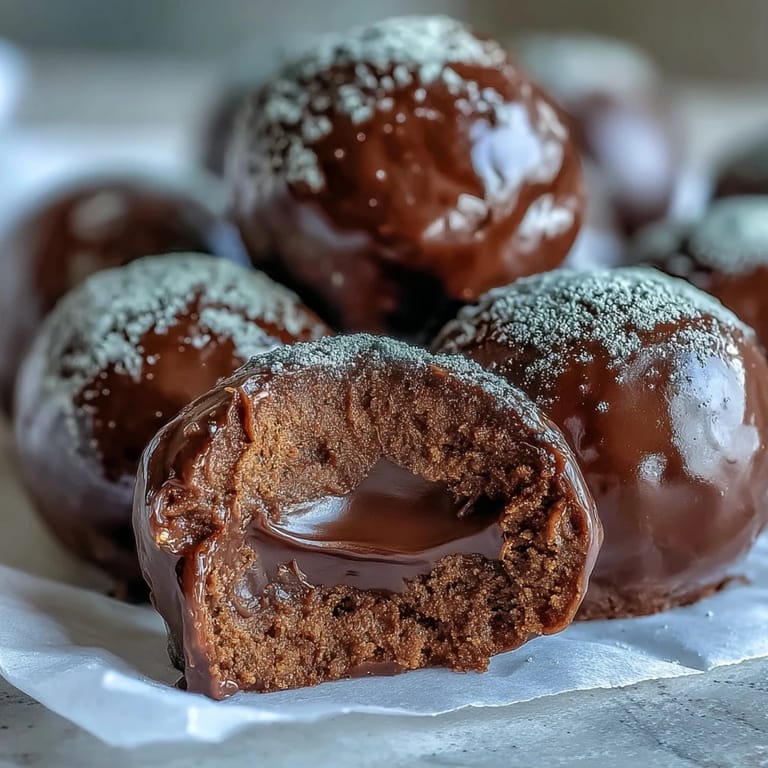
 There's something almost meditative about making hojicha truffles on a quiet afternoon, when the kitchen smells like toasted tea and melting chocolate mingling together. I discovered these little gems while browsing a Japanese tea shop, and the shopkeeper mentioned they made their own versions at home. That conversation stuck with me, so I went home and experimented, learning that the magic happens when you let the roasted tea steep just long enough to perfume the cream without turning bitter. Now they're my go-to gift, the kind of thing that makes people pause mid-conversation to ask what exactly they're tasting.
I made these for my sister's book club last spring, and someone actually asked for the recipe written down before they left. That doesn't happen often, and it made me realize these truffles occupy this wonderful space between homemade comfort and refined dessert shop indulgence. Watching people's faces when they taste the hojicha for the first time is genuinely one of my favorite kitchen moments.
Ingredients
- Good-quality dark chocolate (200 g, 60–70% cacao), finely chopped: The better your chocolate, the smoother your ganache will be; cheap chocolate can taste waxy, so invest here.
- Heavy cream (120 ml): Full fat is essential for that silky texture that makes people think you bought these from a fancy patisserie.
- Hojicha tea leaves (10 g loose leaf or 2 tbsp): This roasted green tea is the soul of the recipe; look for it at Japanese grocery stores or online tea suppliers.
- Unsalted butter (20 g), room temperature: Room temperature butter incorporates smoothly without creating any grainy texture.
- Honey (1 tsp, optional): A whisper of honey deepens the flavors without making them obviously sweet.
- Hojicha powder (3 tbsp for coating): Finely ground, this creates a beautiful matte finish that hints at what's inside.
Tired of Takeout? 🥡
Get 10 meals you can make faster than delivery arrives. Seriously.
One email. No spam. Unsubscribe anytime.
Instructions
- Get your chocolate ready:
- Chop your dark chocolate into small, even pieces so it melts uniformly when the hot cream hits it. Pop the chopped chocolate into a heatproof bowl and set it nearby where you can reach it easily.
- Infuse the cream with hojicha:
- Pour the cream into a saucepan and watch it carefully over medium heat until it just starts to steam and bubble gently at the edges. Remove it from heat immediately, add your hojicha tea leaves, cover the pan, and let it sit undisturbed for exactly seven minutes.
- Strain out the tea leaves:
- Pour the infused cream through a fine-mesh sieve into a clean saucepan, pressing gently on the tea leaves to coax out every bit of roasted flavor. If the cream has cooled, warm it back up until it's just hot enough to melt the chocolate smoothly.
- Create the ganache base:
- Pour the hojicha-infused cream over your chopped chocolate and let it sit quietly for two minutes, allowing the heat to soften the chocolate. Then stir gently but steadily until you have a glossy, completely smooth mixture with no chocolate flecks remaining.
- Add butter and honey:
- Stir in your room-temperature butter and the optional honey until everything is incorporated and silky. The ganache should look like satin at this point.
- Chill the ganache:
- Cover the bowl with plastic wrap and slide it into the refrigerator for at least two hours until it's firm enough to hold its shape when you scoop it. You want it the consistency of soft fudge, not rock-hard.
- Roll into truffles:
- Using a small spoon or melon baller, scoop out pieces about the size of a large marble and roll them quickly between your palms into smooth spheres. Work quickly so the warmth of your hands doesn't make them too soft; if they start to stick, chill them again for a few minutes.
- Coat with hojicha powder:
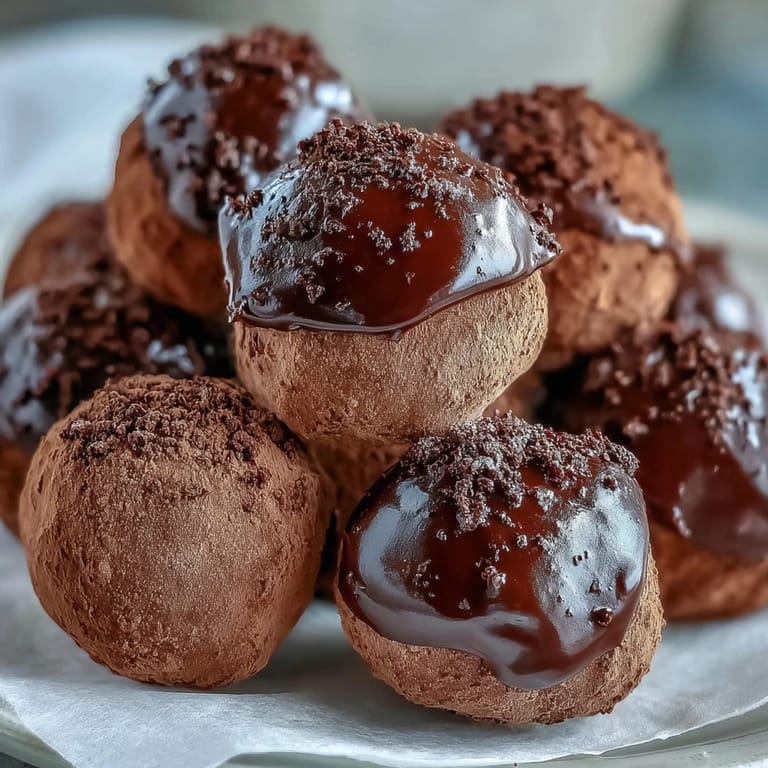
- Pour the hojicha powder into a shallow bowl, then gently roll each truffle through it until it's evenly dusted. A light touch here keeps the coating delicate rather than caked on.
- Store and serve:
- Arrange your finished truffles on a parchment-lined tray and refrigerate them in an airtight container for up to five days. Let them sit at room temperature for a few minutes before eating so you get the full silky mouthfeel they deserve.
 Save to Pinterest
 My neighbor tasted one of these and asked if I could make them for her sister's wedding favor box, which felt like the highest compliment a home baker could receive. There's something about offering someone a tiny, perfectly crafted bite of chocolate that somehow says more than a regular dessert ever could.
The Art of the Perfect Ganache
Making ganache is less about following rules and more about understanding what's happening: hot cream melts chocolate, and fat from the cream keeps everything smooth as it cools. I learned early on that rushing this step leads to broken ganache that separates, but patience creates something almost cloud-like in texture. The hojicha steeping is your secret ingredient, transforming ordinary dark chocolate into something with an almost tea-forward elegance that lingers on your palate.
Hojicha, Explained
Hojicha is green tea that's been roasted at high temperatures until it turns a warm brown and develops this toasty, almost caramel-like flavor. Unlike regular green tea, it's low in caffeine and tastes less grassy, more like autumn in a cup, which is exactly why it pairs so beautifully with dark chocolate. The first time I tasted it in a café in Tokyo, I understood immediately why it would transform a simple truffle into something memorable.
Creative Variations and Serving Suggestions
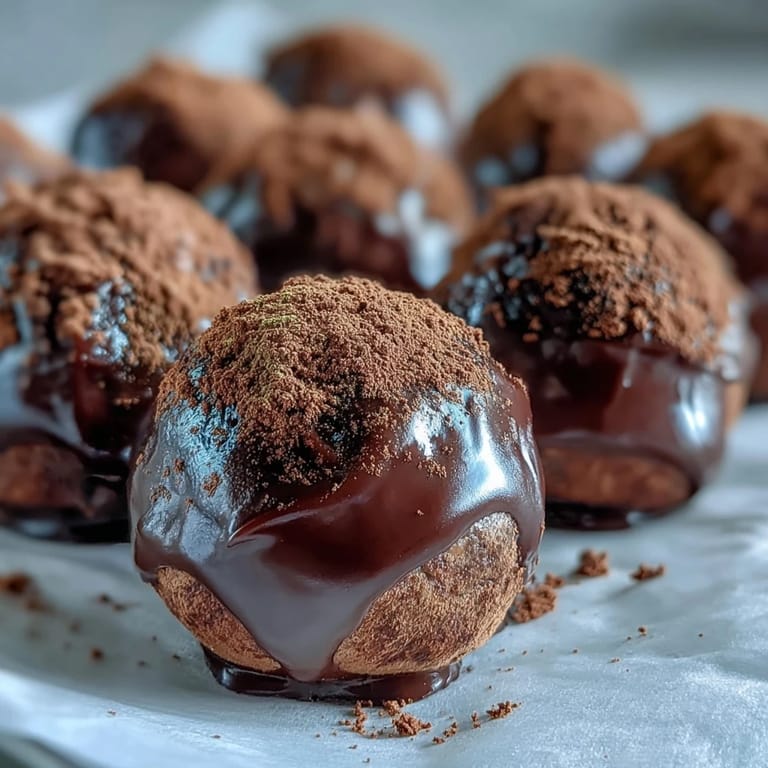
Once you master the basic hojicha ganache, you can play with coatings: a light dusting of matcha powder creates a vibrant contrast, or you can temper dark chocolate and dip each truffle before the powder coating for an extra layer of elegance. These are stunning served on a simple ceramic plate with a pot of hot hojicha tea or alongside a crisp sake. They also hold up beautifully as gifts when packed in a small box lined with parchment, turning a simple thank-you into something people remember.
- Try coating half your truffles in hojicha powder and half in finely chopped pistachios for visual variety and different flavor notes.
- A white chocolate version made with the same hojicha-infused cream creates a sweeter, creamier alternative that still tastes sophisticated.
- Make these a day ahead of serving so the hojicha powder adheres perfectly and flavors settle into their final form.
 Save to Pinterest
 These truffles prove that sometimes the most impressive desserts are the ones that take patience rather than complicated technique. Make them once, and you'll understand why I keep returning to this recipe season after season.
Recipe FAQs
- → What makes hojicha different from matcha in truffles?
Hojicha offers a milder, roasted flavor profile compared to matcha's vibrant grassiness. The tea leaves are pan-fired, creating warm, nutty notes that pair beautifully with dark chocolate without overpowering its richness. This results in a more subtle, sophisticated taste with earthy undertones rather than sharp bitterness.
- → Can I make these truffles ahead of time?
Absolutely. The ganache requires at least 2 hours of chilling before scooping, and finished truffles store beautifully in an airtight container for up to 5 days. For optimal texture and flavor, allow them to reach room temperature for about 15-20 minutes before serving. This resting period lets the ganache soften while the coating maintains its delicate dusting.
- → What if I can't find hojicha powder for coating?
You can create your own by grinding loose hojicha leaves in a clean coffee grinder or spice mill until fine and dusty. Alternatively, simply omit the outer coating—these truffles are delicious on their own. Other options include rolling them in cocoa powder, powdered sugar, or crushed nuts for a different finish while maintaining the hojicha-infused center.
- → Why strain the cream after steeping?
Straining removes the tea leaves while extracting their maximum flavor into the cream. Pressing through the sieve ensures you capture all the infused liquid without any leaf particles, resulting in perfectly smooth ganache. This step is crucial for achieving the silky texture expected in quality truffles.
- → Can I use milk or white chocolate instead?
Yes, both variations work wonderfully. Milk chocolate creates a sweeter, creamier profile that highlights hojicha's roasted notes. White chocolate offers an even richer base where the tea's earthy flavors shine through prominently. Adjust the honey accordingly—you may not need it with milk or white chocolate due to their higher sugar content.
- → What's the best way to achieve uniform truffle size?
Using a kitchen scale to portion about 15g of ganache per truffle ensures consistency. A small cookie scoop or melon baller also helps create uniform spheres. If rolling by hand, work quickly with cold hands to prevent the ganache from softening too much. The key is maintaining the chilled consistency throughout the shaping process.