 Save to Pinterest
 My kitchen filled with the scent of cinnamon and butter one gray February afternoon when I decided to stop choosing between babka and King Cake. Why pick when you could layer the best of both worlds into one spectacular loaf? The combination felt like a natural friendship between two beloved traditions, and watching the dough rise while purple and gold decorations waited on the counter made the whole process feel like a small celebration happening right in my home.
I baked this for a small Mardi Gras gathering and watched my quiet neighbor actually close her eyes while eating it, which felt like the highest compliment anyone could give. The moment her fork released that first swirl of cinnamon filling, the whole mood around the table shifted, and suddenly everyone was talking about flavors and textures instead of just making polite conversation.
Ingredients
- All-purpose flour: The foundation that holds everything together, and using exactly 410 grams by weight gives you reliability that cup measurements sometimes don't.
- Instant yeast: This is your timing partner, so make sure it's fresh and store it in the fridge once opened to keep it active and responsive.
- Lukewarm milk: Too hot and you'll kill the yeast, too cold and rising takes forever, so aim for the temperature of a comfortable bath.
- Room temperature eggs: This small detail actually matters because they incorporate more smoothly into the dough without shocking the mixture.
- Unsalted butter: Softened, not melted, so it integrates into the dough with a gentle hand rather than making things greasy.
- Brown sugar and cinnamon: This pairing creates the aromatic heart of the filling, and the brown sugar's molasses note adds richness that white sugar never could.
- Cream cheese: The secret that keeps the babka moist and adds a subtle tang that balances the sweetness perfectly.
- Powdered sugar glaze: Keep it thick enough to coat but thin enough to drizzle, which usually means starting conservative with the milk and adding slowly.
- Colored sanding sugars: The final touch that transforms this from homemade to festive, and they catch the light in the most satisfying way.
Tired of Takeout? 🥡
Get 10 meals you can make faster than delivery arrives. Seriously.
One email. No spam. Unsubscribe anytime.
Instructions
- Combine your dry ingredients and awaken the yeast:
- In a large bowl or stand mixer, whisk together flour, sugar, yeast, and salt until everything is evenly distributed. This ensures the yeast has access to food right from the start and won't create any dead zones in your dough.
- Bring the wet ingredients together:
- Whisk your lukewarm milk, room temperature eggs, and vanilla in a separate bowl until they're well blended and the eggs are no longer visible. Pour this into the dry mixture and stir until shaggy dough begins to form, looking messier than you'd expect at this stage.
- Work in the butter with patience:
- Add softened butter to the dough and beat with your stand mixer or by hand for 8 to 10 minutes until the dough becomes smooth, elastic, and slightly tacky. You'll feel the transformation happen, and the dough will pull away from the bowl sides while still clinging to your fingers.
- Give your dough its first rise:
- Transfer to a greased bowl, cover with a cloth, and place in a warm spot until doubled in size, roughly 1 to 1.5 hours. You'll know it's ready when your finger leaves a dent that doesn't spring back immediately.
- Prepare both fillings while dough rises:
- Mix brown sugar and cinnamon in one small bowl, then stir in softened butter until you have a spreadable paste. In another bowl, beat cream cheese with sugar and vanilla until smooth and fluffy, taking about 2 minutes.
- Shape the dough into a working rectangle:
- Punch down your risen dough gently to release excess gas, then roll it on a floured surface into a 16 by 12 inch rectangle, working from the center outward. Don't stress about perfection, as some irregular edges add character.
- Layer your fillings with intention:
- Spread cream cheese filling over the dough leaving a half inch border all around, then layer cinnamon filling evenly on top. The boundary keeps filling from oozing out during rolling, and you'll notice the cinnamon mixture settles into crevices beautifully.
- Roll into a tight log:
- Starting from the long side, roll the dough away from you firmly but not aggressively, creating a log that's as even as possible. Pinch the seam closed gently and rest it seam side down for a minute to seal.
- Create the signature twist:
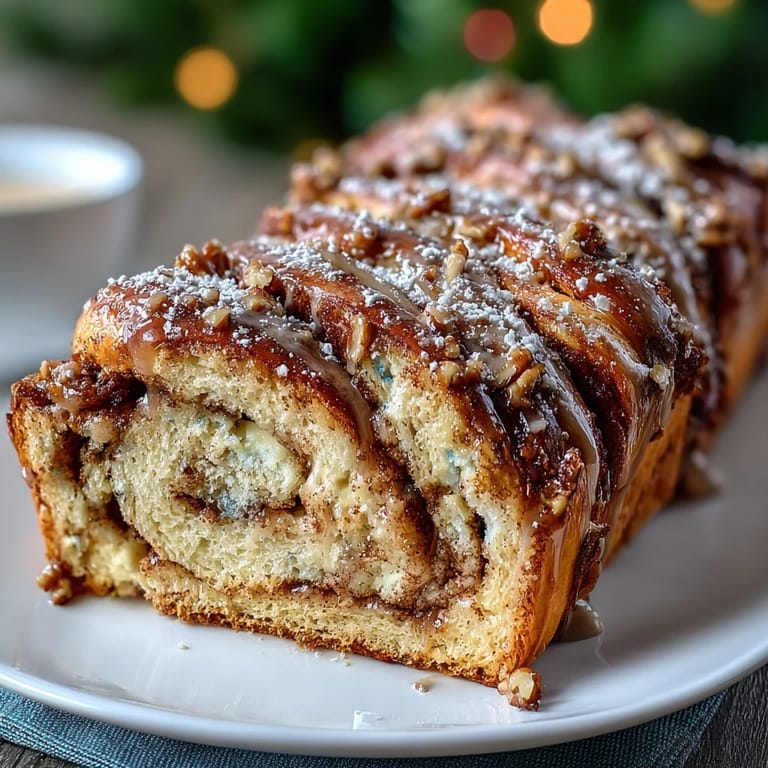
- Slice your log lengthwise in half, then twist the two strands together keeping the cut sides facing up, and form into a loaf shape. This technique is what gives you those swirled layers when sliced, and watching it come together is deeply satisfying.
- Second rise in the loaf pan:
- Place your twisted creation into a greased 9 by 5 inch loaf pan, cover loosely, and let rise until puffy and nearly doubled, about 45 minutes. The dough should feel light and airy when you gently poke it.
- Bake until golden and fragrant:
- Preheat oven to 350 degrees and bake for 35 to 40 minutes until the loaf is deep golden brown and a toothpick inserted in the center comes out clean. If the top is browning too quickly, tent it loosely with foil for the last 15 minutes.
- Cool with controlled patience:
- Let the loaf rest in the pan for 15 minutes to set slightly, then transfer to a rack to cool completely. This prevents the structure from collapsing and ensures the glaze won't melt off a warm loaf.
- Glaze and decorate for celebration:
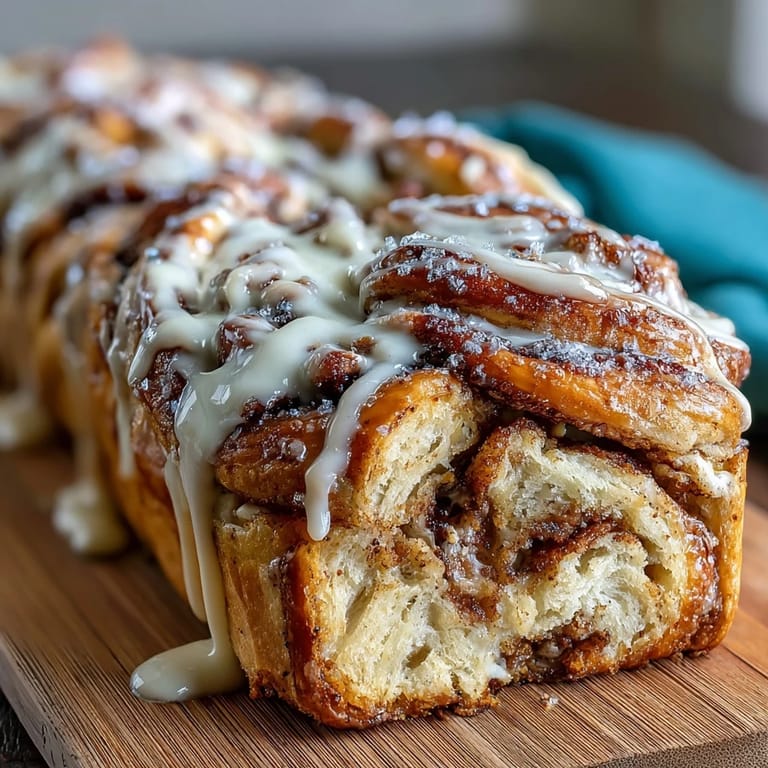
- Whisk powdered sugar with milk, adding milk gradually until you reach a thick but drizzleable consistency. Drizzle generously over the cooled loaf, then immediately sprinkle with purple, green, and gold sanding sugars before the glaze sets, and insert your King Cake baby or almond if tradition calls for it.
 Save to Pinterest
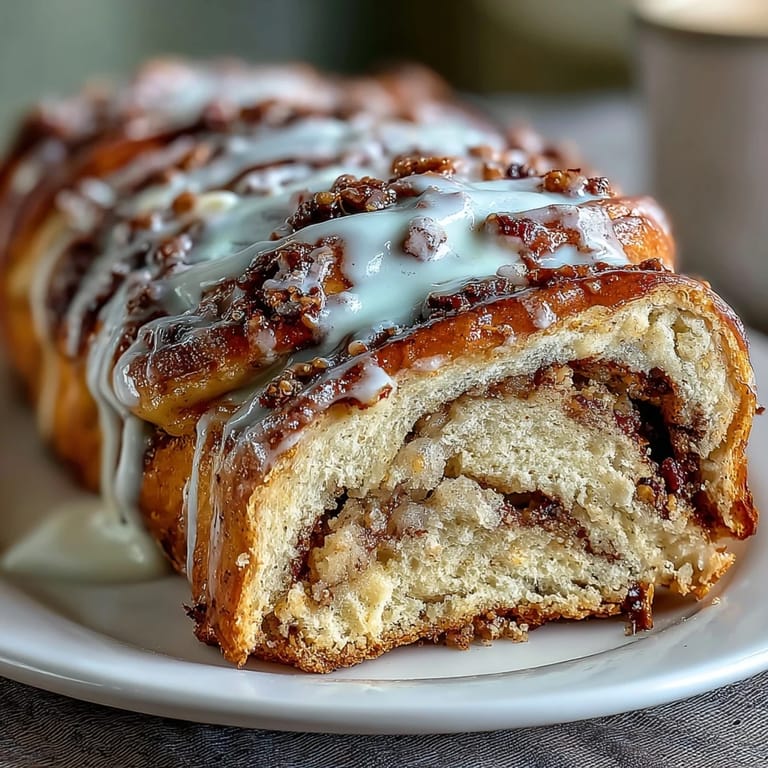
 The moment someone bit into a slice and that cream cheese layer released its subtle tang against the cinnamon sweetness, I understood why combining these two traditions felt so right. It wasn't just about nostalgia or showing off, it was about creating something that felt both comforting and surprising at the same time.
Why the Twist Matters More Than You Think
That twisted shape isn't just for looks, though the cut sides facing up create a visual that stops people mid-chew to admire your work. The twist also ensures that every single slice gets ribbons of both fillings running through it, so no one gets a bite without the full experience. I learned this the hard way when I once tried to skip the twist and simply coiled the log, resulting in some slices being mostly cinnamon and others mostly cream cheese, which felt like broken promises.
Orange Zest and Other Flavor Explorations
One winter I added orange zest to the dough and the subtle citrus note completely elevated the entire loaf, playing beautifully against the cinnamon and cream cheese. The oil from the zest also enriched the dough slightly, making it even more tender and complex. If you try this variation, add the zest directly to the flour mixture before incorporating the wet ingredients, and don't skip it just because you think it might be unnecessary.
Storage, Serving, and Making This Loaf Last
Wrapped tightly in plastic wrap and stored in an airtight container, this loaf stays fresh and delicious for three full days, though I rarely encounter leftovers. Slicing becomes easier if you use a serrated knife and let it do the work rather than sawing aggressively, which preserves those beautiful swirled layers you worked so hard to create. The loaf tastes wonderful at room temperature, slightly warmed, or even briefly toasted on the second or third day.
- Pair slices with strong coffee or a sweet dessert wine to balance the richness and celebrate the occasion.
- If you're making this for a gift, let it cool completely before wrapping to prevent condensation that makes the glaze smudge.
- The plastic King Cake baby is entirely optional but adds genuine festive excitement if you're serving at a gathering.
 Save to Pinterest
 This loaf has become my favorite way to mark the transition into spring, turning a simple kitchen project into something worth slowing down for. Every swirl of filling and sprinkle of colored sugar feels like small magic that reminds me why homemade bread matters.
Recipe FAQs
- → What type of flour works best for this loaf?
All-purpose flour is ideal, providing structure while maintaining tenderness.
- → How long should the dough rise for optimal texture?
Allow the dough to rise until doubled in size, about 1 to 1.5 hours for the first rise and 45 minutes after shaping for a light, airy loaf.
- → Can I substitute cream cheese in the filling?
Yes, mascarpone can be used as a creamy alternative for a richer flavor.
- → What is the best way to achieve distinct filling layers?
Spread the cream cheese filling first leaving a border, then add the cinnamon filling on top before rolling tightly to maintain defined swirls.
- → How do I prevent the loaf from browning too fast in the oven?
If browning quickly, tent the loaf with foil during baking to protect the crust while the interior cooks through.
- → What decorations can be used for an authentic festive touch?
Use purple, green, and gold sanding sugars, and optionally insert a small figurine or almond for tradition.