 Save to Pinterest
 There's something about the sound of a blender whirring that signals ease, and this lemon yogurt cake arrived in my kitchen on one of those mornings when I wanted something special without the fuss. A friend mentioned she'd thrown together a yogurt cake while her kids watched cartoons, and the result was so moist and tangy that I became immediately obsessed with recreating it. What struck me most was how the bright lemon flavor managed to feel both sophisticated and comforting at the same time, like sunshine in cake form.
I baked this for my neighbor one spring when she mentioned missing the lemon cakes her grandmother used to make, and watching her face light up when she tasted it reminded me why I love cooking for people. The cake disappeared before the afternoon was over, and she asked for the recipe before I even finished wrapping up the remaining slice. Now whenever I make it, I think of her kitchen and how food has this quiet way of bridging time and memory.
Ingredients
- Plain Greek yogurt (1 cup): This is the secret to moisture and tang; regular yogurt works too, but Greek yogurt adds richness without heaviness.
- Large eggs (3): They bind everything together and create a tender crumb, so don't skip them or substitute.
- Vegetable oil (1/2 cup): Oil keeps the cake softer than butter would, staying moist even after a day or two on the counter.
- Granulated sugar (1 cup): The standard sweetener; it dissolves smoothly in the wet batter and balances the lemon's tartness beautifully.
- Lemon zest (from 2 lemons): Use a microplane or the small holes on a box grater to get those fragrant oils without the bitter white pith underneath.
- Fresh lemon juice (1/4 cup): Bottled juice works in a pinch, but fresh lemon juice gives you that bright, just-squeezed flavor that makes the cake sing.
- Vanilla extract (1 teaspoon): A small anchor that rounds out the flavor and keeps the lemon from feeling one-dimensional.
- All-purpose flour (1 1/2 cups): Measure by spooning into the cup and leveling off, not by scooping straight from the bag, to avoid packing it too dense.
- Baking powder (2 teaspoons): This is what gives the cake its gentle lift and tender crumb.
- Salt (1/4 teaspoon): A small amount that heightens the lemon flavor without making the cake taste salty.
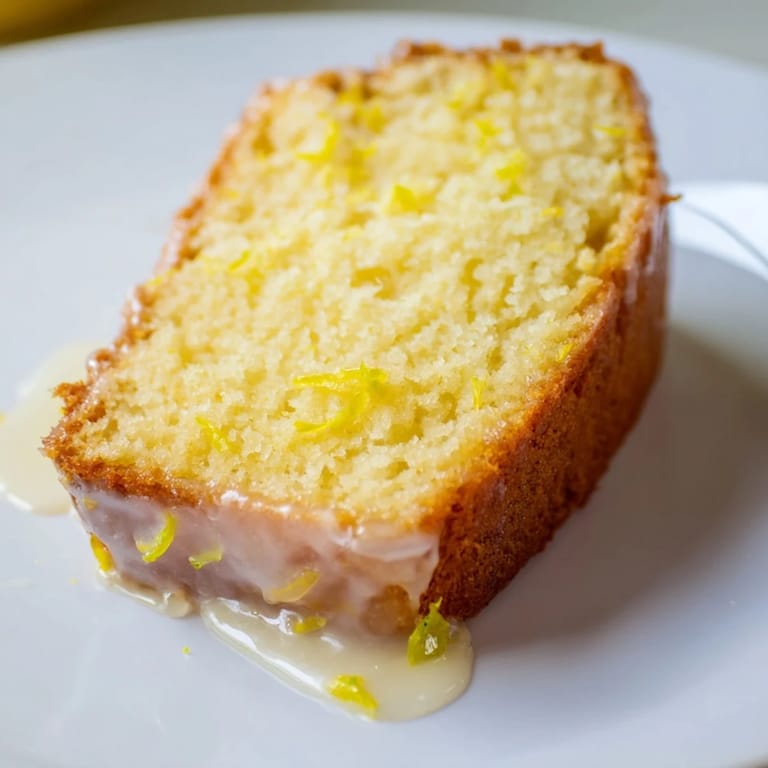
- Powdered sugar (1/2 cup, optional): For the glaze, which adds a delicate sweetness and shine to the finished cake.
- Lemon juice for glaze (2–3 teaspoons): This keeps the glaze tangy and thin enough to drizzle without pooling.
Tired of Takeout? 🥡
Get 10 meals you can make faster than delivery arrives. Seriously.
One email. No spam. Unsubscribe anytime.
Instructions
- Heat your oven and prepare the pan:
- Set the oven to 350°F and grease a 9x5-inch loaf pan with butter or oil, then dust it lightly with flour, or line it with parchment paper if you want to ensure nothing sticks. A prepared pan means a cake that slides out smoothly and a clean release.
- Blend the wet ingredients:
- Pour the yogurt, eggs, oil, sugar, lemon zest, lemon juice, and vanilla into your blender and let it go for about 30 seconds until everything is smooth and creamy. You'll see the zest bits dispersed throughout, and that's exactly what you want.
- Add the dry ingredients:
- Sprinkle the flour, baking powder, and salt over the blended mixture and pulse just until the streaks of flour disappear, maybe 5 or 6 quick pulses. Overmixing develops gluten and makes the cake dense, so stop as soon as you don't see white flecks anymore.
- Transfer and smooth:
- Pour the batter into your prepared pan and use a spatula to gently smooth the top so it bakes evenly. The batter should be thick and creamy, almost like soft serve ice cream.
- Bake until golden:
- Place it in the preheated oven for 35 to 40 minutes, checking around the 35-minute mark with a toothpick inserted in the center. When it comes out clean or with just a few moist crumbs clinging to it, your cake is done.
- Cool with patience:
- Leave it in the pan for 10 minutes, which lets it set enough to handle without tearing, then turn it out onto a wire rack to cool completely. This step prevents the bottom from becoming damp or soggy.
- Make the glaze (if using):
- Whisk powdered sugar with 2 to 3 teaspoons of fresh lemon juice until it's smooth and pourable but still thick enough to coat the back of a spoon. Drizzle it over the cooled cake in whatever pattern feels natural, then let it set for a few minutes before serving.
 Save to Pinterest
 One evening, I brought a slice of this cake to a friend who'd been having a rough week, and she told me years later that small gesture stuck with her more than she expected. There's something about a simple, homemade cake with bright lemon flavor that feels like a small act of care without any fuss or pretension.
Why Blender Baking Changes Everything
The blender method isn't just a shortcut; it fundamentally changes how the cake develops. When you blend the wet and dry ingredients separately, the flour doesn't get overworked, and the lemon zest releases its fragrant oils directly into the wet batter where they belong. I learned this after years of creaming butter and sugar in a stand mixer, watching that thick, fluffy base form, only to realize it sometimes created cakes that were heavier than they needed to be.
Pairing and Serving Ideas
This cake shines brightest when served with something that echoes its brightness. Fresh berries scattered on top add tartness that plays beautifully against the sweet glaze, and a dollop of whipped cream or thick Greek yogurt creates a moment where the cake becomes almost dessert-like even if you're serving it at breakfast. I've found that Earl Grey tea brings out the lemon's floral notes, while a light Moscato wine makes the whole experience feel unexpectedly luxurious for something so simple.
Variations and Flavor Extensions
Once you understand how this cake works, you can bend it gently toward your own preferences. Add extra zest if you want the lemon flavor louder, or blend in a few drops of almond extract to add a subtle warmth underneath the citrus. Some people add poppy seeds to the dry ingredients, which creates a tender crunch that echoes the brightness of the lemon.
- For a lavender twist, substitute 1/4 teaspoon of culinary lavender powder into the flour mixture and reduce the lemon juice slightly.
- If berries are in season, fold a handful of blueberries or raspberries into the batter just before pouring, though don't overmix or they'll bleed color.
- To make it feel more special, brush the warm cake with a simple sugar syrup spiked with extra lemon juice before it cools, which keeps it incredibly moist.
 Save to Pinterest
 This cake reminds me that sometimes the most delicious things come from simplicity and the willingness to let good ingredients speak for themselves. It's the kind of recipe you'll find yourself returning to again and again, not because it's fancy, but because it never fails to feel like a small, bright moment.
Recipe FAQs
- → How do I ensure the cake stays moist?
Using Greek yogurt and vegetable oil maintains moisture throughout baking. Avoid overmixing the batter, which can dry out the texture.
- → Can I substitute ingredients in the wet mix?
Yes, plain whole-milk yogurt can replace Greek yogurt without significantly altering the texture or flavor.
- → What is the purpose of lemon zest and juice?
Lemon zest provides vibrant citrus oils for bright aroma, while juice adds tanginess that balances sweetness.
- → How do I know when the cake is fully baked?
Insert a toothpick in the center; it should come out clean when the cake is done baking.
- → What tools are recommended for preparation?
A blender creates a smooth batter quickly, and a 9x5-inch loaf pan ensures even baking.
- → Can I add a glaze to the cake?
Yes, a simple glaze made with powdered sugar and lemon juice can be whisked and drizzled over cooled cake for extra flavor.