 Save to Pinterest
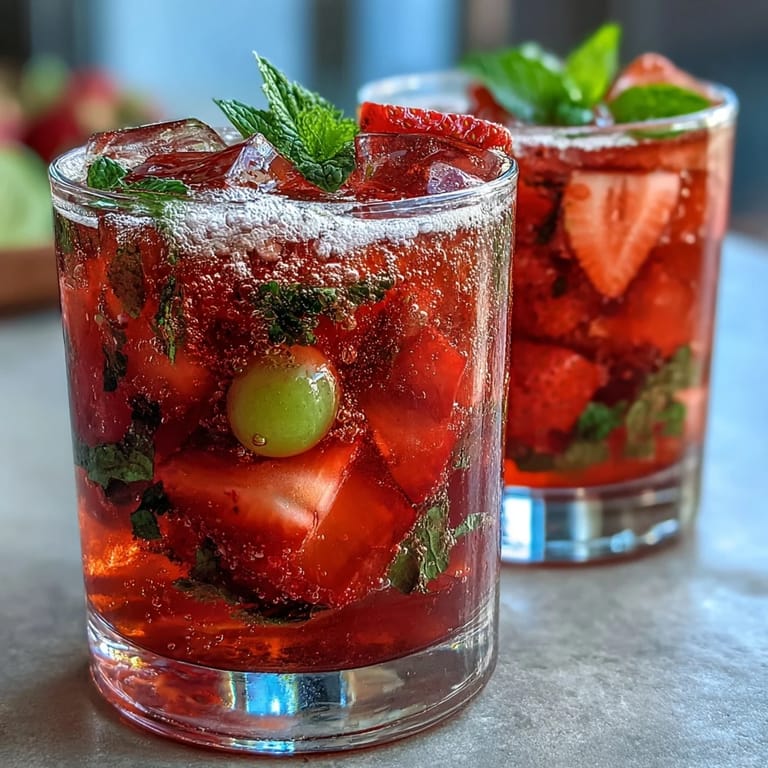
 There's something about spring afternoons that demands a pitcher of something cold and bright, something that tastes like you actually tried instead of just opening a bottle. My neighbor brought over a homemade sangria last May, and watching her pour it—the way the citrus slices caught the light, how the mint leaves swirled around—I realized I'd been missing out on the easiest way to look festive without any fuss. This white grape version became my go-to because it's vibrant without being heavy, and nobody has to wonder if they're drinking alcohol.
I made this for my sister's garden party last season, and what I didn't expect was how many people came back for seconds before the food was even ready. Someone asked if I'd added champagne, and I loved saying no—just good juice and a little patience with the flavors. It became the drink people actually remembered, which felt ridiculous but also kind of wonderful.
Ingredients
- Orange, lemon, and lime: Fresh citrus is non-negotiable here because it's what makes the whole pitcher come alive—the oils in the peel matter as much as the juice inside.
- White grape juice: This is your base, and chilling it beforehand means you're not diluting the drink with ice as it sits.
- Green grapes and strawberries: They soften slightly as they sit, releasing flavor into the liquid and becoming little flavor bombs if you eat them straight from the pitcher.
- Fresh mint: Tear it gently rather than chopping so the leaves stay intact and pretty, and they release more oils when you're ready to drink.
- Sparkling water or club soda: Add this right before serving so everything stays bright and fizzy—don't make the mistake I did once of adding it too early.
- Agave syrup or honey: Optional, but taste as you go because juices vary in sweetness depending on the season.
Tired of Takeout? 🥡
Get 10 meals you can make faster than delivery arrives. Seriously.
One email. No spam. Unsubscribe anytime.
Instructions
- Prepare your fruit like you're building something beautiful:
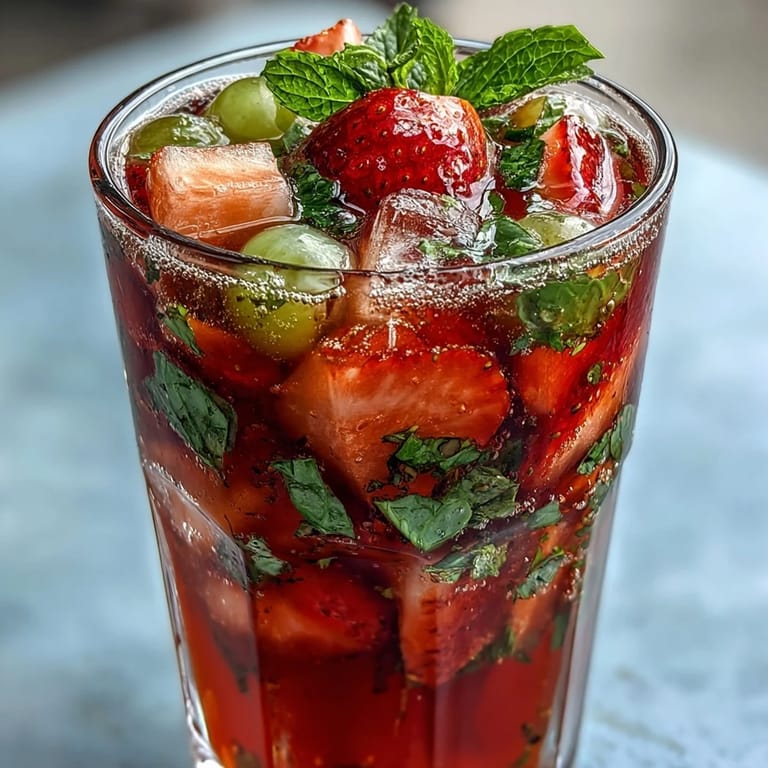
- Slice your citrus thin enough to see light through them, halve the grapes so they release flavor faster, and slice the strawberries so they play nicely with everything else. This takes maybe five minutes, and it matters more than you'd think.
- Build the pitcher with intention:
- Layer the fruit and mint first, then pour in your juices slowly, watching how the colors blend together. The white grape juice should turn golden as the citrus mingles with it.
- Let it rest if you have time:
- An hour in the refrigerator lets everything become friends instead of just coexisting—the flavors actually talk to each other.
- Finish just before serving:
- Add the sparkling water last so it stays fizzy, then load up your glasses with ice and pour generously. The mint and citrus slices are garnish and flavor combined.
 Save to Pinterest
 There was a moment during that garden party when everyone was laughing, someone had thirds of the sangria, and I realized this wasn't about impressing anyone—it was about making something refreshing that let people enjoy each other. That's when a recipe stops being just instructions and becomes something you actually want to make again.
Why Spring Calls for This Drink
Spring sangria doesn't pretend to be autumn or winter. It leans into what's fresh right now—bright citrus, delicate herbs, the feeling that someone put thought into the table. I've learned that the best recipes respect the season instead of fighting it, and this one knows exactly what it is.
Making It Your Own
The beauty of a pitcher drink is that it invites you to experiment without judgment. I've swapped strawberries for peaches when strawberries looked sad at the market, added a cinnamon stick when someone mentioned they liked warmth even in cold drinks, and once threw in basil because it was growing wild on my counter. The formula stays the same—good juice, fresh fruit, a little sparkle—but the details can be totally yours.
Small Details That Actually Matter
Using a sharp knife for your citrus makes a real difference because you want clean slices that look appealing and release their oils without bruising. Room temperature fruit is easier to slice than cold fruit, and it actually mingles better with the cold juice because it's not shocking the system. These sound small, but they're the difference between a pitcher that looks like you grabbed whatever and one that looks intentional.
- Keep your pitcher and juices cold before you start so the final drink stays cold longer without getting watery.
- Taste before serving and adjust—some batches of juice are sweeter than others, and you want to know what you're serving.
- If you're making this ahead, hold the sparkling water separate and add it right when guests arrive so the fizz stays alive.
 Save to Pinterest
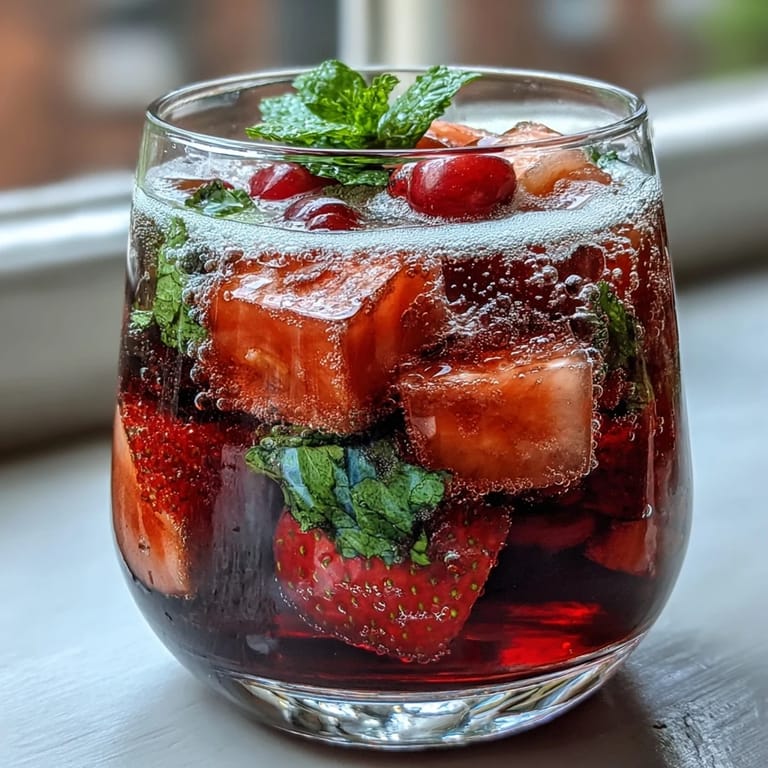
 This sangria sits somewhere between a recipe and an invitation—it's really just an excuse to gather people and pour something that tastes like you cared. Make it, bring it to the table, and watch what happens.
Recipe FAQs
- → Can I make this beverage sweeter?
Yes, adding agave syrup or honey adjusts sweetness naturally without overpowering the fruit flavors.
- → What alternatives work for sparkling water?
Ginger ale can be used for a sweeter, spicier touch, complementing the citrus and grape notes.
- → How long should the mixture chill?
Chilling for at least one hour helps the flavors meld and intensify, but it’s optional if short on time.
- → Can I substitute fruits in this blend?
Peaches or pineapple make excellent alternatives to strawberries, offering different sweet and aromatic profiles.
- → Is this suitable for special diets?
This beverage suits vegan and gluten-free diets, especially when sweeteners like agave are used instead of honey.