 Save to Pinterest
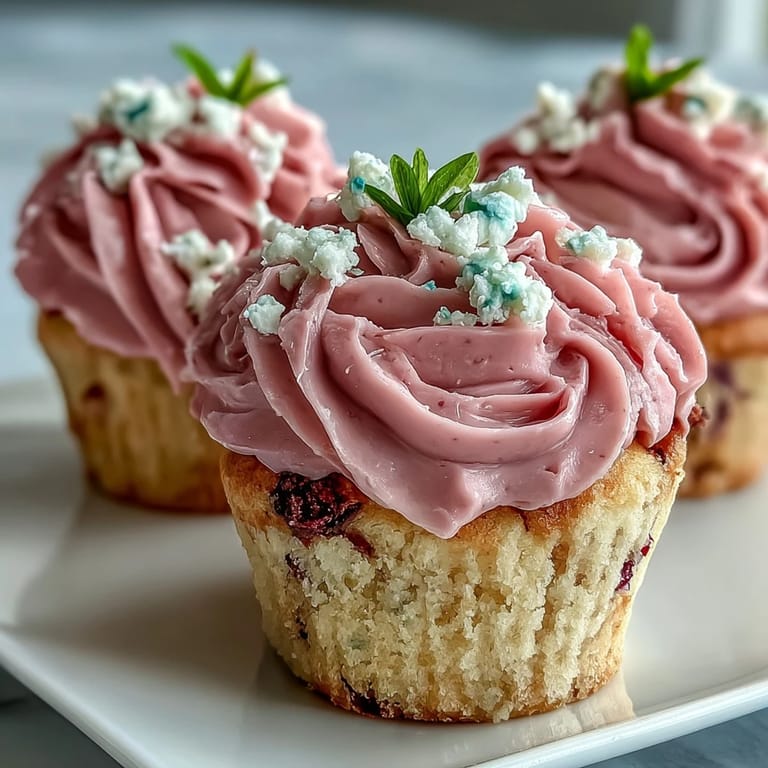
 Last spring, I was tasked with bringing dessert to my cousin's baby shower, and I wanted something that felt both celebratory and delicate. These pastel buttercream flowers came together almost by accident—I'd bought food coloring gels on a whim, and when I piped that first rose onto a cooled cupcake, something clicked. The vanilla base is so forgiving and mild that it lets the buttercream stars shine, and suddenly I understood why these cupcakes show up at every spring gathering I attend.
What I remember most vividly is my friend Sarah's face when she bit into one—she expected them to taste floral or overly sweet, but instead found this comforting, simple vanilla flavor with clouds of buttercream. She ate three. After that, these became my go-to for baby showers, bridal events, and even just because moments when someone needed a lift.
Ingredients
- All-purpose flour (1 1/4 cups): The foundation here—make sure it's fresh, as old flour can make cupcakes dense and heavy.
- Granulated sugar (1 cup): Don't skip creaming this properly with butter; those two or three minutes of beating truly do create the tender crumb you're after.
- Unsalted butter, softened (1/2 cup for batter, 1 cup for frosting): Room temperature is non-negotiable; cold butter won't incorporate smoothly and you'll end up with a grainy texture.
- Large eggs at room temperature (2): Cold eggs don't mix in as cleanly, which can lead to a curdled-looking batter that still bakes fine but feels less elegant.
- Whole milk (1/2 cup plus 2-3 tablespoons): The mild flavor here matters—skim milk can make cupcakes taste slightly thin in comparison.
- Vanilla extract (1.5 tsp for batter, 2 tsp for frosting): Buy the real stuff; imitation vanilla becomes obvious in a delicate recipe like this.
- Baking powder (1.5 tsp) and salt (1/4 tsp): Salt amplifies the vanilla without making the cupcakes taste salty, so don't leave it out.
- Powdered sugar, sifted (3.5 cups): Sifting removes lumps that would otherwise create grainy frosting no amount of mixing will fix.
- Food coloring gels in pastel shades: Gel coloring is thicker and won't thin out your frosting the way liquid coloring would, which is crucial for piping.
Tired of Takeout? 🥡
Get 10 meals you can make faster than delivery arrives. Seriously.
One email. No spam. Unsubscribe anytime.
Instructions
- Prepare your workspace:
- Preheat your oven to 350°F (175°C) and line that muffin tin with cupcake liners—this takes thirty seconds but saves you from the heartbreak of cupcakes sticking. Position your oven rack in the middle so the heat surrounds your cupcakes evenly.
- Mix your dry ingredients:
- In a small bowl, whisk together flour, baking powder, and salt, breaking up any small clumps as you go. You're essentially distributing the leavening evenly, which prevents those awkward dense spots.
- Cream butter and sugar:
- This is the moment that matters most—beat softened butter with sugar for two to three minutes until the mixture turns pale and fluffy, almost like whipped clouds. You'll hear the mixer change its sound as air gets incorporated, which is exactly what you want.
- Incorporate eggs thoughtfully:
- Add eggs one at a time, mixing well after each one before adding the next. This might seem fussy, but it prevents the batter from looking separated and ensures a tender crumb. After both eggs are in, mix in the vanilla.
- Build your batter gently:
- Add half the flour mixture, mix until just combined, then pour in the milk, then finish with the remaining flour. By dividing it this way, you're less likely to overmix, which toughens cupcakes instantly. Stop as soon as you don't see streaks of flour.
- Fill and bake:
- Divide batter among liners so each is about two-thirds full—too little and you'll have flat cupcakes, too much and they'll crown awkwardly or overflow. Bake for eighteen to twenty minutes until a toothpick inserted in the center comes out clean with maybe one or two crumbs clinging to it. The kitchen will smell like warm vanilla and butter, which is your cue to start thinking about frosting.
- Cool completely:
- Let cupcakes cool in the tin for five minutes (they're fragile at first), then transfer to a wire rack and let them sit until completely cool. Trying to frost warm cupcakes is futile; the buttercream will melt and slide right off.
- Prepare your buttercream base:
- Beat softened butter until it's light and creamy, then gradually add sifted powdered sugar, beating constantly. Once it comes together, add vanilla and two tablespoons of milk, adjusting with more milk if needed until you reach a spreadable, pipeable consistency.
- Create your pastel palette:
- Divide buttercream among bowls—one for each color you want—and add gel coloring drop by drop, mixing well between each addition. Pastel shades happen naturally with gel color; you need very little to avoid overpowering the vanilla. Keep colors separate until you're ready to pipe.
- Pipe your flowers:
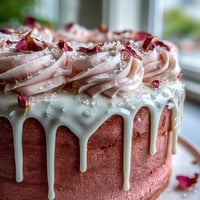
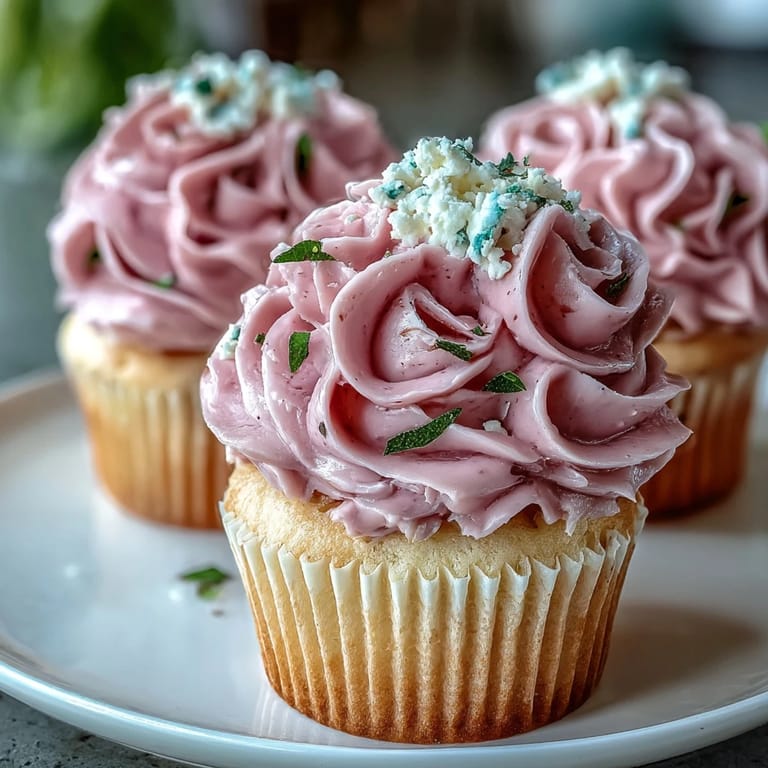
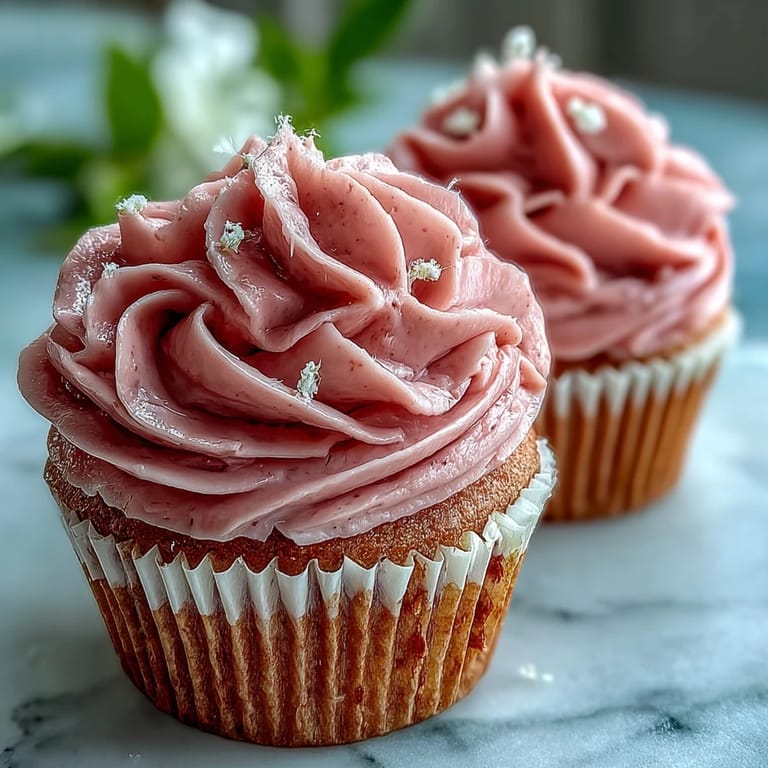
- Fit piping bags with your flower tips and fill each with a different color of buttercream. Start with simple designs if you're new to piping—even a few petals layered on top create texture and charm. Work confidently but without pressure; slightly imperfect flowers feel more handmade and genuine.
- Set your creation:
- Once decorated, chill the cupcakes briefly in the refrigerator for about fifteen minutes so the buttercream sets and holds its shape during transport or serving.
 Save to Pinterest
 I'll never forget decorating two dozen of these for my neighbor who was going through a rough season, and watching her genuinely light up at the sight of them sitting on her porch. That's when I realized these cupcakes aren't really about the technique or the colors—they're about creating a moment of beauty during someone's important day.
Why These Cupcakes Stay Moist Longer Than You'd Expect
The combination of whole milk and the high ratio of butter to flour creates a tender crumb that doesn't dry out quickly. I've kept these in an airtight container for four days, and they stayed soft enough to enjoy—the buttercream also acts as a protective layer, sealing in moisture. The trick is letting them cool completely before storing, which prevents condensation from making them soggy.
Making This Ahead Without Stress
You can bake the cupcakes up to two days in advance if you store them properly in an airtight container at room temperature. The buttercream can also be made a day ahead and kept refrigerated—just let it come back to room temperature and beat it for a minute or two before piping to restore the fluffy texture. On the day of your event, decorate just a few hours before serving so the piped flowers stay looking pristine and fresh.
Flavor Variations and Personalization
While the vanilla base is perfect as is, I sometimes add a teaspoon of almond extract to the batter for a subtle floral undertone that pairs beautifully with the pastel aesthetic. You could also infuse the buttercream with a touch of lemon zest, rose water (use sparingly—just a few drops), or even a whisper of lavender extract. These additions make the cupcakes feel less generic and more tailored to whoever you're celebrating.
- For a dairy-free version, swap butter for coconut oil and whole milk for oat or almond milk, adjusting slightly as coconut oil behaves differently in frosting.
- If you're decorating for a specific theme, tint the buttercream to match your color palette—soft sage green, dusty blue, and pale pink create a calming spring aesthetic.
- Don't stress if your piped flowers look imperfect; they're meant to look handmade, and slight variations in shape actually add charm and authenticity.
 Save to Pinterest
 These cupcakes have become my reliable answer whenever someone asks what to bring, and I hope they become your go-to as well. There's something genuinely special about presenting something handmade and beautifully decorated to people you care about.
Recipe FAQs
- → What ingredients give the cupcakes their delicate texture?
The combination of all-purpose flour, baking powder, and softened butter creates a light and tender crumb in the cupcakes.
- → How can I achieve pastel colors in the buttercream?
Use small amounts of food coloring gels mixed into the buttercream to create soft pastel shades like pink, lavender, and yellow.
- → What is the best way to pipe floral designs on these cupcakes?
Use piping bags fitted with flower-shaped tips to carefully pipe petals and leaves, allowing the buttercream to form realistic blossoms.
- → Can these cupcakes be made dairy-free?
Yes, substitute plant-based butter and milk alternatives to accommodate dairy-free preferences without compromising texture.
- → How long should I bake the cupcakes for optimal moistness?
Bake for 18-20 minutes or until a toothpick inserted comes out clean to ensure moist and fully cooked cupcakes.
- → What extra flavors complement these cupcakes well?
Adding almond extract to the batter or pairing the cupcakes with floral teas enhances their delicate flavor profile.