 Save to Pinterest
 One afternoon, I was standing in the produce section watching a woman squeeze orange after orange into a container, and the sheer brightness of it made me wonder what would happen if I built an entire soup around that color and scent. Carrots had been languishing in my crisper drawer, and somehow ginger caught my eye too, along with a can of coconut milk that felt like it belonged in something warming. That spontaneous mix turned into this soup, which has since become my go-to when I want something that tastes both elegant and effortless.
My friend Sarah once told me she could never make soup because it felt too unpredictable, so I invited her over to make this one together. By the time we were stirring in the orange juice and coconut milk, her kitchen smelled so inviting that she stopped worrying about whether she was doing it right. Watching her taste the first spoonful and genuinely smile made me realize this soup has a way of building confidence in the kitchen.
Ingredients
- Olive oil: Just enough to soften your aromatics without making the soup heavy, letting the vegetables be the real star.
- Medium onion: The foundation that builds sweetness as it caramelizes slightly, creating depth you'll taste in every spoonful.
- Garlic cloves: Two is enough to add warmth without overpowering the delicate orange and ginger notes.
- Carrots: Use the freshest you can find; older carrots lose their natural sweetness and won't give you that vibrant color.
- Fresh ginger: Grated rather than minced gives a more integrated, less spiky heat that plays beautifully with citrus.
- Vegetable broth: Choose one with minimal sodium so you can control the final seasoning and taste the actual vegetables.
- Coconut milk: Full fat is what makes this soup silky, but don't skip that extra splash for garnish, which catches the light in your bowl.
- Freshly squeezed orange juice: Bottled loses something essential; fresh juice is what makes this taste alive.
- Ground coriander and cumin: These warm spices echo the exoticism of coconut milk and tie everything together with subtle sophistication.
- Salt and black pepper: Taste as you go because citrus and salt have a specific relationship where a little goes a long way.
- Fresh coriander leaves and orange zest: The final garnish transforms a simple bowl into something worthy of being served to guests.
Tired of Takeout? 🥡
Get 10 meals you can make faster than delivery arrives. Seriously.
One email. No spam. Unsubscribe anytime.
Instructions
- Warm Your Base:
- Heat the olive oil over medium heat and add your chopped onion, letting it soften for 3 to 4 minutes until it becomes translucent and releases that sweet, savory smell that tells you you're on the right track. You're not looking for browning here, just surrender.
- Build the Aromatic Layer:
- Stir in the minced garlic and grated ginger, cooking for just about a minute until your kitchen fills with that peppery, warming scent that signals these aromatics are waking up. If you wait too long past that fragrant moment, they start to turn bitter.
- Toast the Spices:
- Add your carrots along with the ground coriander and cumin, stirring for 2 minutes so the spices bloom and coat everything evenly. This brief cooking step is what makes the difference between a flat soup and one with real personality.
- Simmer the Carrots:
- Pour in your vegetable broth and bring it to a boil, then reduce the heat and let it simmer uncovered for about 20 minutes until the carrots are so tender a fork dissolves through them. The longer, slower cook makes the carrots sweeter and ensures even blending.
- Finish with Brightness:
- Remove from heat and stir in the orange juice and coconut milk, letting them integrate into the warm broth before you blend. This moment of resting ensures the flavors will marry rather than feel separate.
- Blend Until Silky:
- Use an immersion blender to puree everything until completely smooth, or work in batches with a standard blender if that's what you have. The immersion blender gives you better control over texture, but either method works.
- Reheat Gently:
- Return the blended soup to the pot and warm it through over low heat, stirring occasionally and tasting as you season with salt and pepper. This gentle reheating prevents the delicate flavors from getting cooked away.
- Serve with Grace:
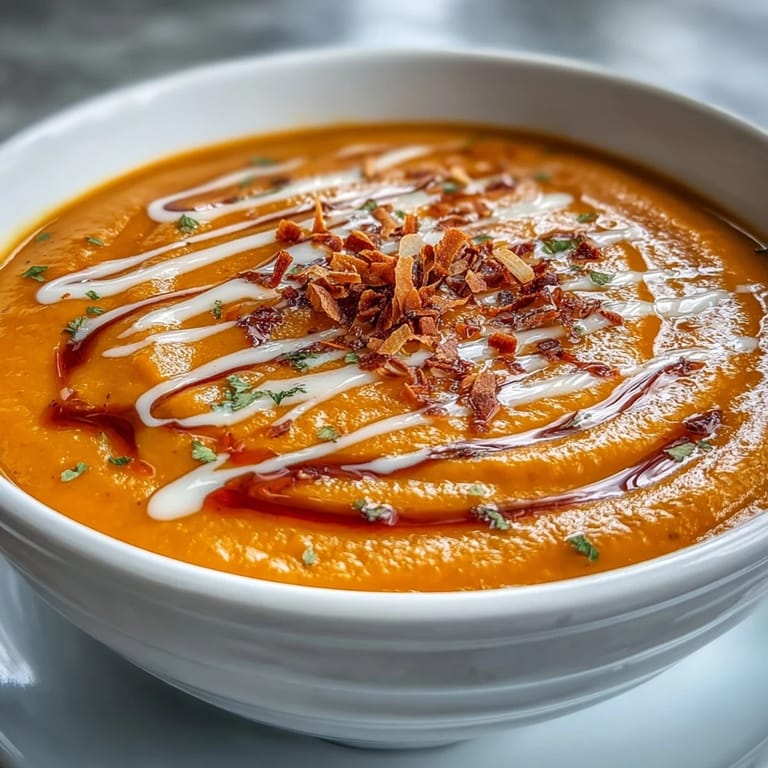
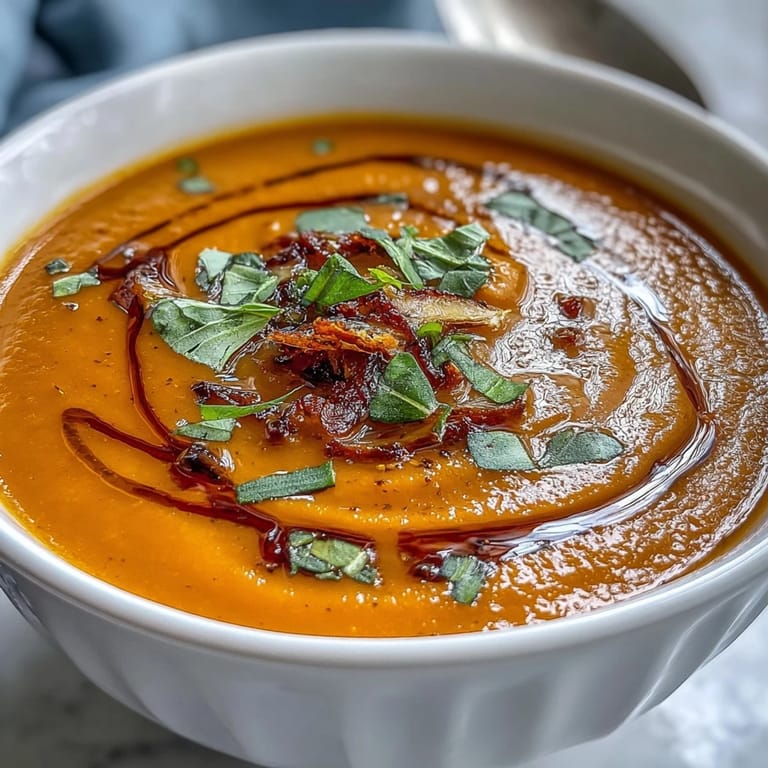
- Ladle into bowls and finish with a drizzle of extra coconut milk, a scatter of fresh coriander leaves, and a fine rain of orange zest. The presentation takes thirty seconds but makes people feel like you genuinely wanted them to have a beautiful moment.
 Save to Pinterest
 There's something almost meditative about serving this soup on a cold day and watching someone's shoulders relax as they bring the spoon to their mouth. It became a ritual for me during one particular winter when life felt scattered, and somehow ladling this into bowls made everything feel more intentional.
Variations and Substitutions
I've experimented with this soup in dozens of ways, and it always comes out tasting good because the core combination is so forgiving. Lime juice instead of orange gives it a sharper, more Asian inflection, and I've even used tangerine juice when that's what was in my fruit bowl and it became something entirely new.
Pairing Suggestions
This soup tastes sophisticated enough to serve as a first course at dinner, but it's also casual enough for a lunch you're eating alone with crusty bread and a good book. It pairs beautifully with anything Asian-inspired because the ginger and coriander speak that language, but I've also served it before Mediterranean meals where it felt equally at home.
Storage and Make-Ahead Wisdom
This soup freezes reliably for up to three months, which is why I always make a double batch and portion it into glass containers for future me to discover with delight. Thaw it in the refrigerator overnight and reheat gently on the stovetop, adding a splash of vegetable broth if it seems too thick.
- Don't blend the soup if you're freezing it until you're ready to serve it, though in practice I've never managed to resist blending immediately.
- The garnish of fresh coriander and orange zest is best added right before serving rather than sitting on top of stored soup.
- Frozen soup tastes best within two months, after which the bright citrus notes start to fade slightly.
 Save to Pinterest
 This soup taught me that the best recipes are the ones that feel easy to make but taste like someone actually knew what they were doing. I hope it brings you that same feeling.
Recipe FAQs
- → What gives this soup its creamy texture?
The creaminess comes from coconut milk, which blends smoothly with the pureed vegetables, adding richness without dairy.
- → Can I adjust the spice levels in this soup?
Yes, adding a pinch of chili flakes or extra ginger can enhance the heat to suit your taste.
- → Is fresh orange juice necessary for this soup?
Freshly squeezed orange juice provides vibrant citrus notes, but you can substitute with lime juice for a tangier twist.
- → What herbs complement this carrot and orange soup?
Fresh coriander leaves add a bright, fresh garnish that beautifully complements the warm spices and citrus flavors.
- → Can this soup be prepared ahead of time?
Yes, it stores well refrigerated for a couple of days and can be gently reheated without losing flavor or texture.