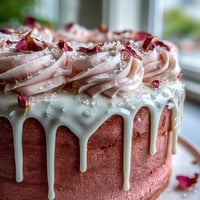
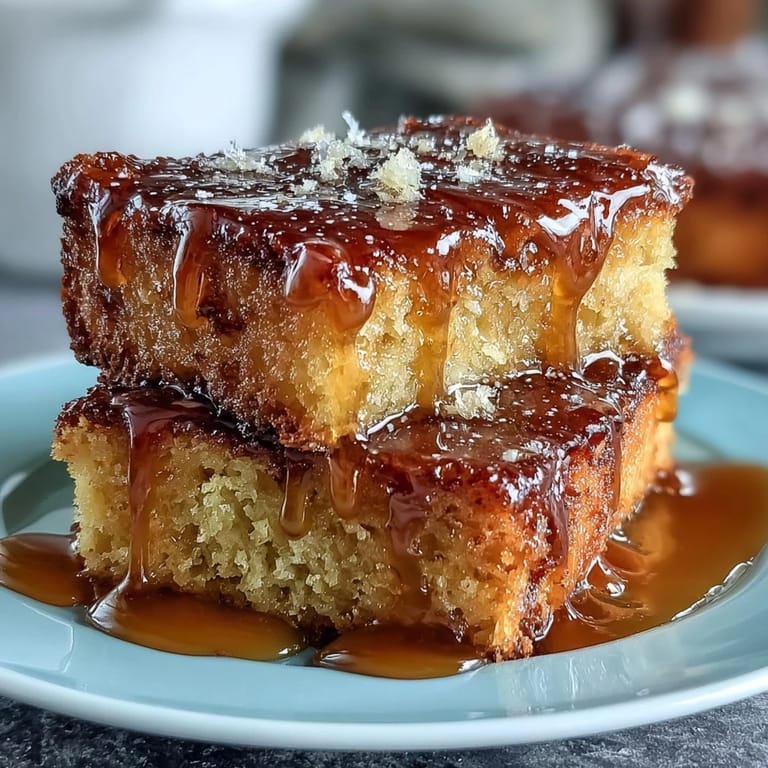
 Save to Pinterest
 There's something about springtime that makes you want to bake with flowers, and dandelion honey was my accidental gateway into that world. I found a jar of it at a farmers market, drawn in by the golden color and the vendor's quiet insistence that it tasted nothing like regular honey. That afternoon, I stood in my kitchen wondering what on earth to do with something so distinctly floral, and somehow ended up here—with a cake that tastes like sunshine and feels like the season finally turning.
I baked this for my friend's baby shower last May, nervous because I'd never made it before and was bringing it to someone else's table. The moment people tasted it, the room got quieter in that specific way that means everyone's focused on their fork. Someone asked if I'd used some magical ingredient, and I realized that dandelion honey does that—it whispers instead of shouts, making people pause and actually taste what they're eating.
Ingredients
- All-purpose flour (2 cups): The foundation, and using the right amount matters more than you'd think—spoon and level rather than scooping directly from the bag, or you'll end up dense instead of tender.
- Baking powder and baking soda (1 1/2 tsp and 1/2 tsp): This combination gives you lift without the metallic aftertaste, though make sure yours aren't sitting in a cabinet for two years doing nothing.
- Fine sea salt (1/2 tsp): It brightens the honey flavor and keeps the cake from tasting one-dimensionally sweet.
- Unsalted butter (1/2 cup): Room temperature is non-negotiable here—cold butter won't cream properly, and you need that fluffy base to trap air.
- Dandelion honey (1/2 cup): The star, with its subtle floral notes that make people tilt their heads and wonder what they're tasting; if you can't find it, regular honey works but you lose the magic.
- Granulated sugar (1/2 cup): Works with the honey to create the right texture and sweetness balance.
- Eggs (3 large, room temperature): Cold eggs won't incorporate smoothly, so pull them out about 30 minutes before baking.
- Pure vanilla extract (1 tsp): The good stuff, because it disappears into the background and lets the lemon and honey shine.
- Whole milk (1/2 cup, room temperature): Keeps the crumb tender; room temperature milk incorporates more evenly than cold.
- Lemon zest and juice (2 tbsp each): Fresh lemons only—bottled juice tastes thin and sad against the honey's depth.
- Powdered sugar (1 cup): Sifted before you start, so your glaze doesn't end up lumpy and sad.
- Dandelion honey for glaze (1 tbsp): A final whisper of that floral note running through the sweet glaze.
Tired of Takeout? 🥡
Get 10 meals you can make faster than delivery arrives. Seriously.
One email. No spam. Unsubscribe anytime.
Instructions
- Set the stage:
- Preheat your oven to 350°F and prep a 9-inch round pan with butter and flour or parchment paper, because sticking happens when you're not paying attention. This is also the moment to check that your butter and eggs are actually room temperature—it takes five minutes and changes everything.
- Build your dry foundation:
- Whisk together flour, baking powder, baking soda, and salt in a medium bowl, making sure everything's evenly distributed. Set it aside and don't overthink it.
- Cream the butter and honey:
- In a large bowl, beat the room-temperature butter with the dandelion honey and sugar until it's pale and fluffy, which takes about three minutes of patience. You're not trying to whip it into submission—just enough to incorporate air and make it lighter in color.
- Introduce the eggs gently:
- Add eggs one at a time, beating well after each one so they have a moment to emulsify rather than just getting dumped in. This is where the texture of your final cake starts happening, even though you won't know it yet.
- Add the flavor:
- Stir in vanilla extract, lemon zest, and lemon juice until everything's incorporated and smells like spring decided to visit your kitchen.
- Combine without overworking:
- Add the flour mixture in three parts, alternating with the milk and starting and ending with flour—this is the moment to stop being aggressive and start being gentle. Mix until just combined; those few lumps don't matter, but overmixing will make your cake tough.
- Pour and smooth:
- Transfer the batter to your prepared pan and smooth the top with a spatula so it bakes evenly.
- Bake with patience:
- Bake for 35 to 40 minutes, checking around the 35-minute mark with a toothpick—it should come out clean with no wet batter clinging to it. The kitchen will smell like honey and lemon and you'll want to eat it immediately, but resist.
- Cool with intention:
- Let it sit in the pan for 10 minutes so it can set slightly, then turn it out onto a wire rack to cool completely. Putting the glaze on a warm cake is how you end up with something that slides right off, so patience matters here too.
- Make the glaze:
- Whisk powdered sugar, lemon juice, and dandelion honey together in a small bowl, adding lemon juice gradually until you reach a consistency that drips but doesn't run. It should feel like it knows what it's doing.
- Finish with drizzle:
- Pour or spoon the glaze over the completely cooled cake in whatever pattern makes you happy, then let it set for 10 to 15 minutes before slicing.
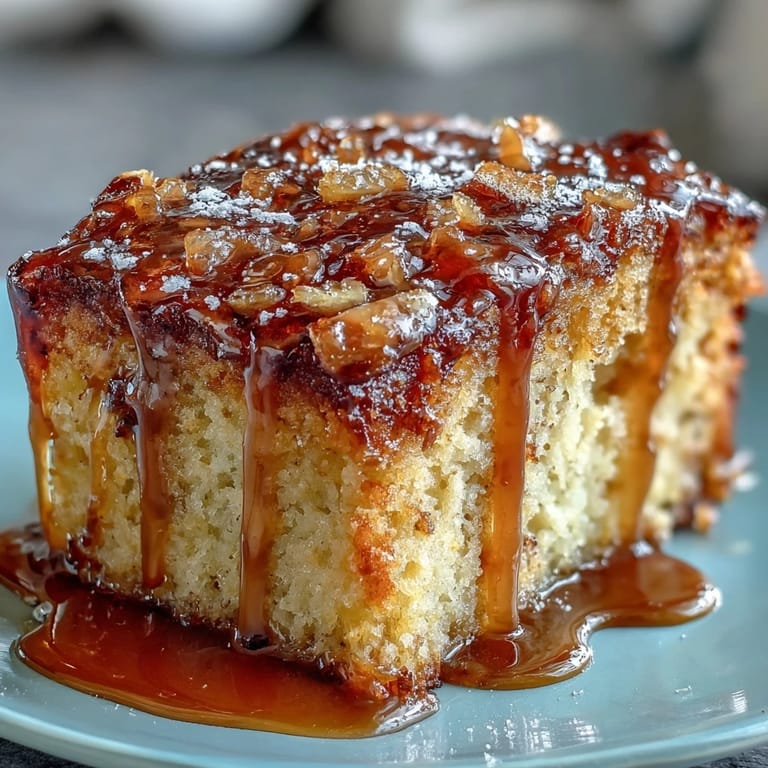 Save to Pinterest
 My grandmother tasted this and told me it reminded her of honey cakes she'd eaten somewhere in Eastern Europe when she was young, which made me understand that some flavors are older and stranger and more precious than we think. That's when it stopped being just a recipe and became something worth protecting.
About Dandelion Honey
Dandelion honey is made by bees that forage on dandelion flowers, and it has this pale golden color and a flavor that's more floral and less cloying than regular honey. If you can't find it, you can order it online or sometimes find it at farmers markets and specialty food shops, though regular honey absolutely works as a substitute. The difference is subtle but noticeable—dandelion honey adds this almost herbal, slightly bitter quality that keeps the cake from tasting one-dimensionally sweet.
Storing and Keeping
This cake actually gets better on day two, when the flavors have had time to settle into each other and the crumb becomes even more tender. Cover it with plastic wrap or keep it in an airtight container at room temperature for up to three days, and it'll stay soft and fragrant.
Variations and Additions
You can add finely chopped dandelion petals directly to the batter if you want a more pronounced floral flavor, though unsprayed petals are essential. Some people brush the warm cake with a simple honey syrup before glazing, which makes it even more moist and honey-forward. You can also experiment with the glaze by using a touch of cardamom or rose water if you want to push the floral direction further.
- Pair this cake with herbal tea—chamomile, lavender, or even a delicate white tea makes it feel like a real moment instead of just dessert.
- If you're serving it at a gathering, bake it the day before and glaze it just before people arrive so everything tastes fresh.
- Don't skip the lemon zest, because that's what keeps the honey from overwhelming everything else on the plate.
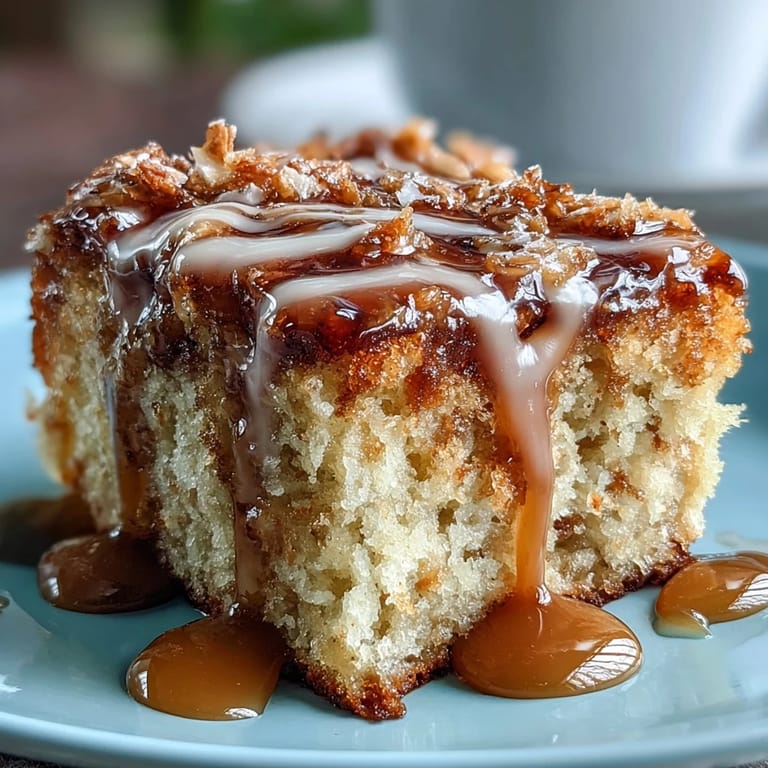 Save to Pinterest
 This cake exists in that beautiful space between delicate and unfussy, where it tastes like you know exactly what you're doing even if you're making it for the first time. Bake it when you want people to slow down and actually taste something.
Recipe FAQs
- → What makes dandelion honey unique in this cake?
Dandelion honey adds a subtle floral sweetness that enhances the cake’s aroma and flavor, giving it a delicate and distinct character.
- → Can I substitute regular honey for dandelion honey?
Yes, regular honey can be used if dandelion honey is unavailable, though the floral notes will be less pronounced.
- → How does the lemon glaze complement the cake?
The lemon glaze provides a bright, tangy contrast that balances the cake’s sweet, floral elements, adding freshness and moisture.
- → What is the best way to store this cake after baking?
Keep the cake in an airtight container at room temperature for up to three days to maintain freshness and texture.
- → Can finely chopped dandelion petals be added to the batter?
Yes, adding 2 tablespoons of finely chopped unsprayed dandelion petals can intensify the floral flavor in the cake.