 Save to Pinterest
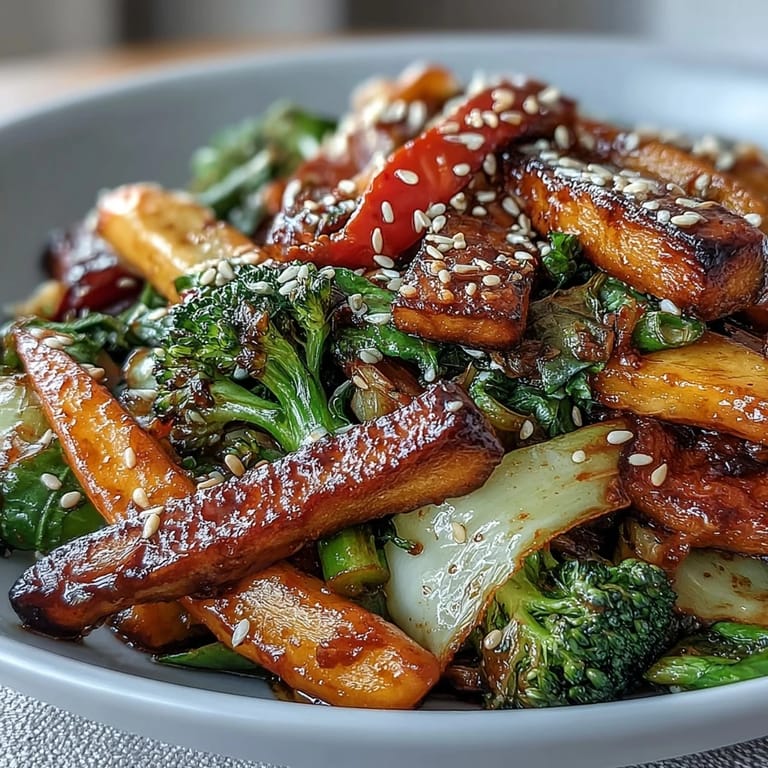
 Last January, I was standing in my kitchen on a particularly gray afternoon, staring at a pile of root vegetables that had been languishing in my crisper drawer. My partner mentioned they'd been craving something warm and alive-tasting, not heavy, and suddenly I remembered a jar of kimchi someone had gifted us weeks earlier. What started as a practical solution to wilting produce turned into this stir-fry that somehow tastes both grounding and energizing, like it knows exactly what you need in the middle of winter.
I made this for my mom during her first visit after recovering from a nasty cold, and she took one bite and actually relaxed her shoulders. She said it tasted like the kitchen was taking care of her, which is exactly the kind of food magic I'm always chasing.
Ingredients
- Broccoli florets: Use smaller florets so they cook evenly and stay crisp-tender; larger pieces tend to get mushy before the other vegetables catch up.
- Carrots and parsnip: The bias cut isn't just for show—it increases surface area so they caramelize slightly and cook faster.
- Sweet potato matchsticks: Thin slicing is your friend here; thick pieces won't soften in time and you'll end up with raw centers.
- Green cabbage and red bell pepper: These go in toward the end so they retain their texture and color; there's nothing sadder than overcooked bell pepper.
- Fresh ginger and garlic: Grate the ginger instead of mincing it if you want the oils to distribute more evenly and the flavor to be less sharp.
- Toasted sesame oil: This is non-negotiable—regular sesame oil tastes flat by comparison, and toasted oil brings a nuttiness that makes everything taste intentional.
- Soy sauce or tamari: I keep both on hand; tamari is naturally gluten-free and slightly milder if that matters for your table.
- Rice vinegar and maple syrup: The vinegar brightens everything while the syrup rounds out the sharp edges; this balance is what separates a good stir-fry from a forgettable one.
- Kimchi: The star player added at the very end so the probiotics survive and the flavors don't get cooked away into submission.
- Green onions and sesame seeds: These aren't optional if you want the dish to feel finished and intentional rather than just thrown together.
Tired of Takeout? 🥡
Get 10 meals you can make faster than delivery arrives. Seriously.
One email. No spam. Unsubscribe anytime.
Instructions
- Get Everything Ready First:
- Chop all your vegetables and mince your garlic and ginger before you turn on the heat. This is the one rule I never break because once the oil gets hot, you're racing the clock.
- Wake Up Your Aromatics:
- Heat the sesame oil until it shimmers, then add the ginger and garlic for just 30 seconds—you want to smell that wonderful fragrance without letting it burn into bitterness. The smell is your timer; trust your nose.
- Start With the Hardest Vegetables:
- Carrots, parsnip, sweet potato, and broccoli go in first because they need the most time to soften. Stir-fry for about 4 to 5 minutes, keeping everything moving so nothing sticks.
- Add the Delicate Stuff:
- Cabbage and bell pepper join the party next for another 3 to 4 minutes. You want them crisp-tender, which means they should still have a tiny bit of resistance when you bite down.
- Create Your Sauce:
- While the vegetables finish, whisk together soy sauce, rice vinegar, and maple syrup in a small bowl. Pour it over everything and toss gently so every piece gets coated.
- The Kimchi Moment:
- Remove the pan from heat and fold in your chopped kimchi, being gentle so you don't crush it into nothing and preserve all those good probiotics. The warmth will wake up the kimchi's flavor without destroying it.
- Finish and Serve:
- Scatter green onions and sesame seeds over the top, and eat it while it's still warm. This dish doesn't reheat beautifully because the vegetables get softer, so fresh is always better.
 Save to Pinterest
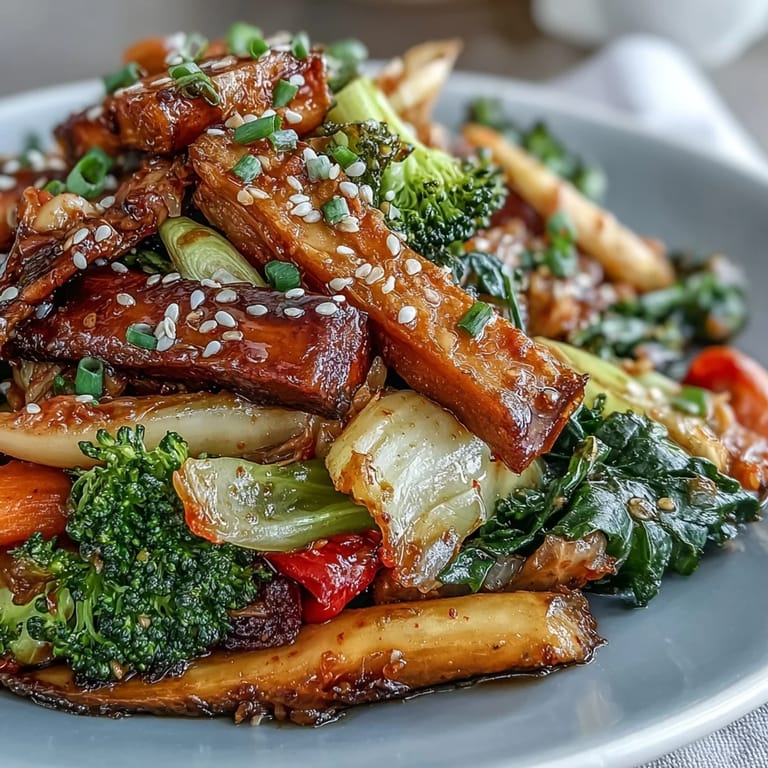
 My roommate used to say that food tastes better when it's colorful, and I think she was onto something. This stir-fry is so vivid on the plate that it genuinely makes the room feel brighter when you're serving it, which might sound silly until you're eating it on an actual gray day.
Choosing Your Winter Vegetables
The recipe I've given you is solid, but winter is the time to get creative with what's actually in season and affordable. Rutabaga, turnip, and kale all work beautifully here, and I once added thinly sliced radish at the last second because I found some gorgeous pink ones at the market. The key is understanding what needs the most time to cook and adding things in the right order so everything finishes around the same moment.
Making It a Complete Meal
On its own, this is a beautiful side or light main, but when you're actually hungry and it's February and you want something that sticks with you, serving it over rice, quinoa, or noodles makes all the difference. I tend to go with soba noodles because there's something about the earthiness that matches the fermented flavor of the kimchi.
The Kimchi Situation
Kimchi is the whole reason this dish exists, so it's worth thinking about what kind you're using. Some are spicier than others, some have fish sauce and some don't, and if you're new to this you might want to taste it straight from the jar before adding it to know what you're working with. A little goes a long way if you're just dipping your toes in.
- Buy kimchi from a brand you trust or make it yourself if you're feeling ambitious, because quality really changes the outcome.
- If store-bought kimchi contains soy or seafood and that's a concern, read the label carefully because brands vary wildly.
- You can always add more kimchi after tasting, but you can't take it out, so start conservative if you're serving people who aren't used to it.
 Save to Pinterest
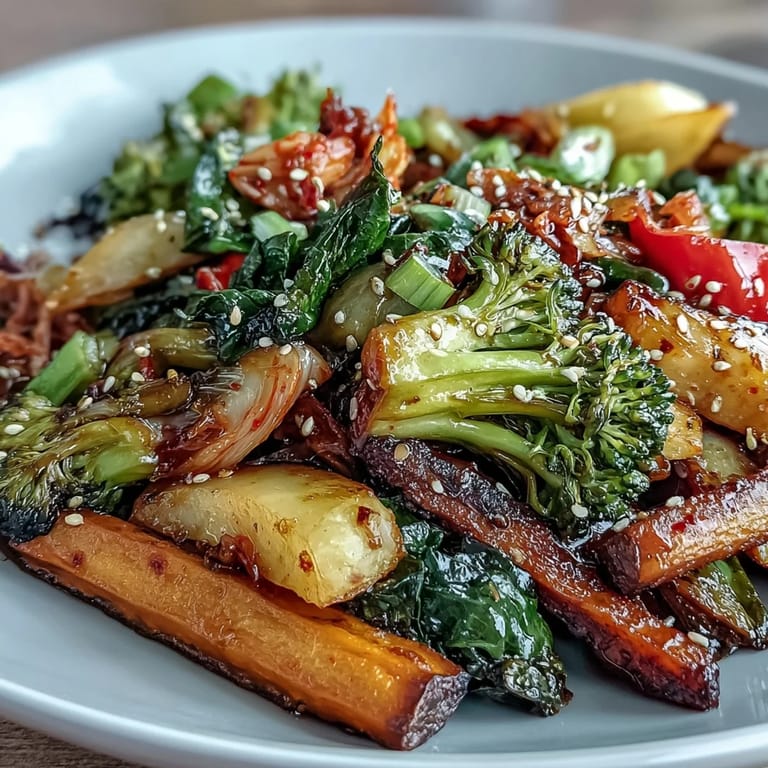
 There's something quietly powerful about putting fermented food into a warm meal and knowing you're doing something good for your body without it feeling like a chore. That's what this stir-fry is to me now.
Recipe FAQs
- → Can I use different fermented vegetables?
Absolutely. While kimchi provides the best flavor balance, you can substitute sauerkraut, pickled vegetables, or even homemade fermented carrots. Adjust seasoning accordingly as different ferments have varying salt and spice levels.
- → Why add kimchi at the end?
Adding kimchi off the heat preserves its beneficial probiotics, which can be destroyed by high temperatures. This also maintains the kimchi's crisp texture and vibrant flavor while allowing it to warm through slightly.
- → What makes this good for winter?
Winter vegetables like parsnips, sweet potatoes, and broccoli are hearty and readily available during colder months. The warming ginger, garlic, and sesame oil create comforting flavors perfect for chilly weather, while the quick cooking method preserves nutrients.
- → Is this suitable for meal prep?
Yes. Store cooled vegetables in an airtight container for up to 4 days. Reheat gently in a skillet or microwave. For best probiotic benefits, add fresh kimchi when serving rather than storing it with the cooked vegetables.
- → Can I add protein?
Crispy tofu, edamame, or tempeh work beautifully. Add tofu when heating the oil and cook until golden. Edamame or tempeh can be added along with the sauce. For non-vegetarian options, sliced chicken or shrimp also complement the flavors well.
- → How do I adjust the spice level?
Kimchi varies in heat, so start with less and add more to taste. If you prefer milder flavor, choose a gentle kimchi variety. For more heat, add sriracha, chili flakes, or use a spicier kimchi. The ginger also provides gentle warmth without overwhelming spice.