 Save to Pinterest
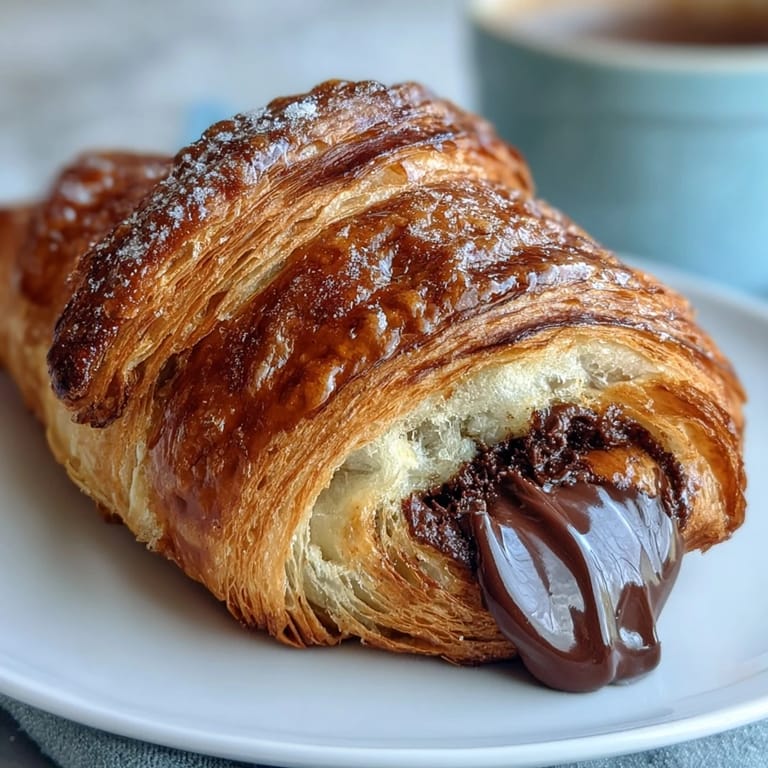
 My kitchen smelled like a Parisian bakery the moment those croissants hit the oven, golden and impossibly flaky, and I realized I'd been holding my breath the entire time. It happened by accident really—I was experimenting with my sourdough starter on a lazy Sunday, wondering if I could coax that tangy complexity into laminated dough, and suddenly I was committed to the process. Twelve hours of chilling, folding, and pure anticipation later, I pulled out croissants that crackled when you bit into them, their layers giving way to melted dark chocolate inside. This is the recipe that made me believe home bakers could achieve something that tasted like it came from a three-star Michelin kitchen.
I made these for my sister's birthday breakfast, and watching her face when she bit through that shattering exterior into the soft, chocolate-filled center—that was the moment I knew this recipe was keeper-worthy. She asked if I'd driven into the city to buy them from a proper pâtisserie, and I got to say no with the kind of quiet pride only home bakers understand. Her kids demolished theirs in seconds, chocolate smudged across their faces, and somehow that mattered more than the hours I'd spent folding butter.
Ingredients
- Bread flour (500 g): The higher protein content gives croissants their signature structure and helps those layers puff beautifully during baking.
- Active sourdough starter (100 g at 100% hydration): This is your flavor engine; it adds complexity that regular yeast simply cannot match, and the tang develops more during the long fermentation.
- Cold whole milk (220 ml): Keep it chilled because temperature control is everything in lamination; warm milk weakens gluten and causes butter to smear.
- Granulated sugar (60 g): Just enough to feed fermentation and encourage that golden crust without making the dough sweet.
- Fine sea salt (10 g): Strengthens gluten and balances the tang from sourdough perfectly.
- Softened unsalted butter (30 g): This goes into the dough itself, creating tenderness separate from the laminated butter layer.
- Large egg (1): Beaten with water, this gives you that professional-looking mahogany shine that signals a perfectly baked croissant.
- European-style unsalted butter (250 g, cold): The higher butterfat content (at least 82%) is non-negotiable; it lammates more cleanly and creates superior flaking.
- Dark chocolate (120 g, 60% cocoa minimum): Quality matters here because chocolate is the star; cheap chocolate seizes and tastes waxy, so invest in something you'd eat on its own.
Tired of Takeout? 🥡
Get 10 meals you can make faster than delivery arrives. Seriously.
One email. No spam. Unsubscribe anytime.
Instructions
- Mix the foundation:
- Combine flour, sourdough starter, cold milk, sugar, salt, and softened butter in your mixer bowl, letting the dough come together shaggy and rough before you knead it smooth and slightly elastic over 4 to 5 minutes. This initial rest for 30 minutes afterward helps the flour fully hydrate and makes the next steps easier.
- Let time do the work:
- Bulk ferment your dough at room temperature for 2 to 3 hours with two stretch-and-folds at the 1-hour mark, feeling the dough grow stronger and more elastic under your hands. Then refrigerate overnight (8 to 12 hours) where cold fermentation develops flavor and makes lamination possible.
- Prepare your laminating butter:
- Pound and roll cold European butter between two sheets of parchment into a precise 20 x 20 cm square, then refrigerate it until it's firm but still slightly malleable. This butter needs to match the dough's temperature and consistency so it layers evenly without breaking.
- Laminate with intention:
- Roll your chilled dough into a 30 x 30 cm square, place the butter block in the center, fold dough edges over to seal it, then roll out to 60 x 20 cm and fold into thirds like a letter. Chill 30 minutes, then repeat this rolling and folding process two more times, chilling between each fold to prevent butter from melting and creating a cohesive, laminated structure.
- Shape into croissants:
- Roll final dough to 60 x 30 cm, about 4 mm thick, then cut into 12 long triangles with a 10 cm base, placing one chocolate baton at the wide end before rolling each triangle tightly toward the tip. Arrange them tip-side down on parchment-lined sheets so they proof evenly and the chocolate stays tucked inside.
- Give them a final rise:
- Cover loosely and proof at room temperature for 4 to 5 hours until they're doubled in size and wobble slightly when you touch the baking sheet. If your kitchen is cold, create a warm, draft-free spot (like an oven with just the light on) to encourage even proofing.
- Egg wash and bake:
- Beat one egg with 1 tablespoon water and brush gently over each croissant, then bake at 200°C for 18 to 22 minutes until deep golden brown and audibly crisp. You'll hear a faint crackle when the pastry hits the hot oven, which means you've nailed the technique.
- Cool with patience:
- Transfer to a wire rack and let cool at least 15 minutes before serving, though the interior will continue setting as it cools. Cutting into a still-warm croissant releases steam and softens the layers, so this wait is where your restraint gets rewarded.
 Save to Pinterest
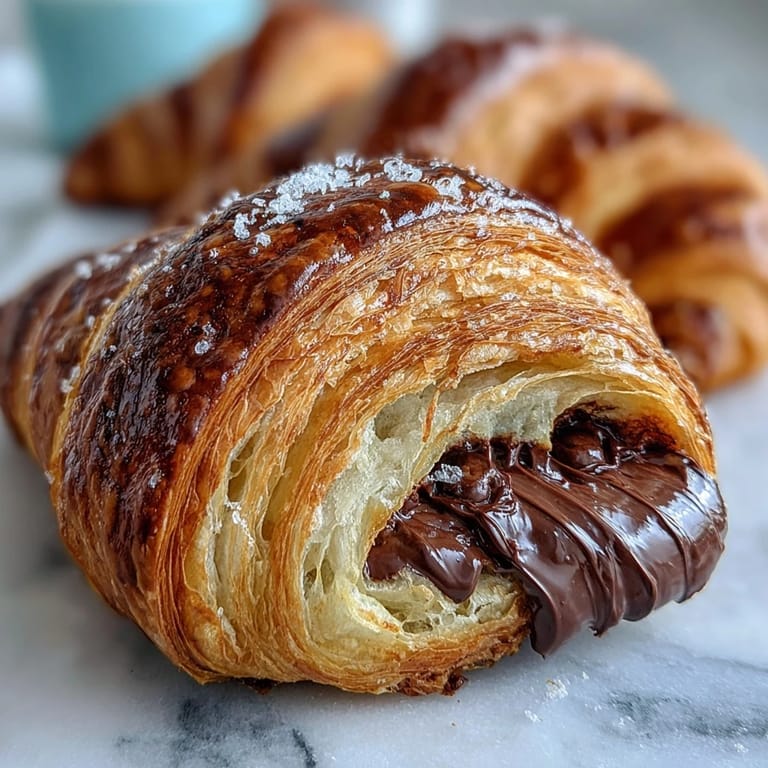
 There's a moment near the end of the final proof where the croissants suddenly go from looking good to looking alive, their surface catching light and wobbling with air, and that's when you know you've got them. I've made these dozens of times now, and that feeling never gets old—it's the moment when hours of work become real, tangible potential sitting on your counter.
Why Sourdough Changes Everything
The sourdough starter adds a layer of flavor that regular commercial yeast simply can't touch, bringing a subtle tartness that makes the dark chocolate taste deeper and more complex. It's not aggressive sourness—it's the kind of background note that makes people pause and ask what makes these different from bakery croissants. I learned this by accident when I forgot to add instant yeast to a batch and used only my starter instead; the result was so much more interesting that I never went back.
Mastering the Lamination Process
Lamination terrified me the first time, but once I understood it's just butter and dough creating layers through repeated folding, everything clicked. The key is keeping everything cold and working deliberately; rushing or letting things warm up is where most people's lamination dreams fall apart. I keep my workspace cool and sometimes chill my rolling pin in the freezer between turns, which sounds fussy until you see those perfect, distinct layers when you slice a baked croissant open.
Chocolate, Timing, and Small Decisions
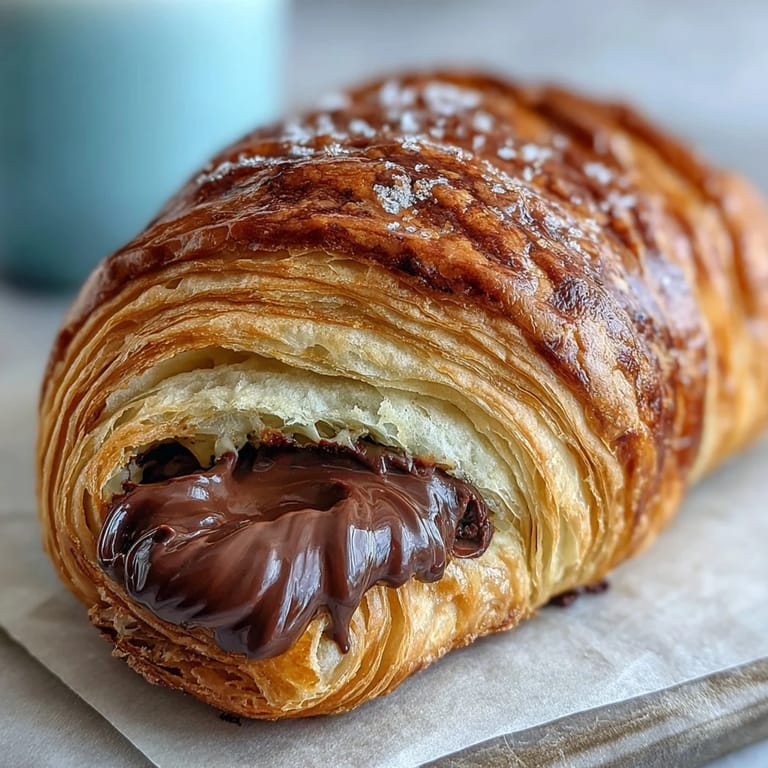
Choosing good chocolate isn't snobbery—it's recognizing that chocolate is the star of this recipe and deserves respect. I've tried cutting croissants and stuffing chocolate inside after baking, but placing it before rolling means it melts into the layers slightly, creating pockets of richness that feel intentional rather than accidental. One small note that changed everything for me was cutting the chocolate into thin batons instead of chunks; thin pieces melt evenly and distribute the flavor throughout each bite rather than creating a surprise pocket halfway through.
- If your kitchen runs warm, work in shorter bursts and return dough to the fridge more frequently to keep lamination clean.
- Orange zest mixed into the dough or flaky sea salt sprinkled before baking adds sophistication without overwhelming the chocolate.
- These are absolutely best the day they're baked, but a gentle 5-minute oven reheat at 150°C brings back the crispness if you have leftovers.
 Save to Pinterest
 Making sourdough croissants taught me that baking is less about following steps perfectly and more about understanding why each step matters. Once you've made these once and understood the lamination, you'll see possibilities everywhere—pain au chocolat, Danish, even croissants with other fillings all suddenly feel within reach.
Recipe FAQs
- → What makes sourdough croissants different from regular ones?
Sourdough croissants use natural fermentation with a starter, which adds a subtle tang and depth of flavor to the dough, enhancing its complexity.
- → How do you achieve the flaky layers in croissants?
Flaky layers result from laminating the dough with cold butter multiple times, creating thin alternating layers of dough and butter that puff during baking.
- → Why is chilling important during the process?
Chilling solidifies the butter and relaxes the gluten, making the dough easier to roll and fold while preserving distinct layers for flakiness.
- → Can I use different types of chocolate for filling?
While dark chocolate with at least 60% cocoa is recommended for rich flavor, you can substitute with milk or bittersweet chocolate depending on taste preferences.
- → How should croissants be stored after baking?
Store croissants in an airtight container at room temperature for the day of baking, or gently reheat in the oven to restore crispness before serving.