 Save to Pinterest
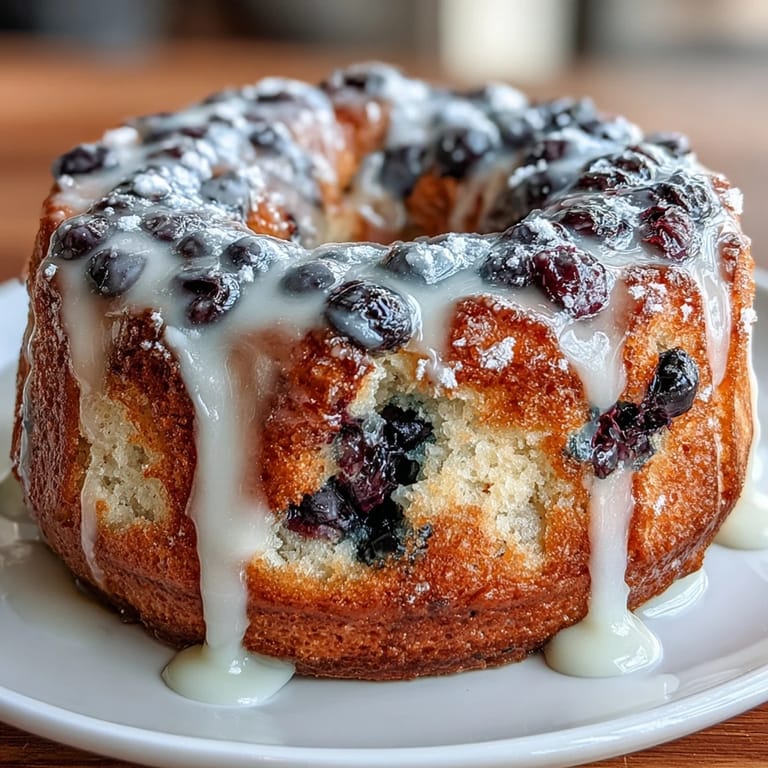
 My sourdough starter had been sitting in the fridge for weeks, neglected and looking sorry for itself, when I decided it needed redemption in the form of donuts. I'd been craving something bright and citrusy on a gray Tuesday morning, and the idea of folding that tangy starter into a tender crumb studded with blueberries felt like exactly the right move. The first batch came out of the oven golden and pillowy, filling the kitchen with this unexpected aroma—part lemon bar, part bakery fresh. My partner wandered in mid-bake and asked what smelled so good, then didn't leave until one was in his hands and glazed. These aren't your heavy, grease-soaked diner donuts; they're something gentler, brighter, and somehow more honest.
I made these for my book club last month and learned something unexpected: people will pause mid-conversation to eat a good donut. One guest asked for the recipe before she'd even finished hers, then admitted she'd been trying to reduce sugar but couldn't resist. That moment—when good food breaks through people's usual habits—reminded me why I love cooking things that feel indulgent but aren't trying to trick anyone.
Ingredients
- Active sourdough starter: Use discard that's been sitting at room temperature for a few hours—it doesn't need to be freshly fed or bubbly, just alive and ready to go.
- Buttermilk: The tang here is essential; it plays off the lemon and adds depth that plain milk can't reach.
- Unsalted butter: Melt it and let it cool slightly so it doesn't scramble the eggs when mixed together.
- Eggs and vanilla: Room temperature eggs blend smoothly into the wet mixture without temperature shock.
- Lemon zest and juice: Don't skip the zest—it carries flavor that juice alone can't deliver, and it's what makes your kitchen smell like happiness.
- All-purpose flour: Two cups is your structure; measure by spooning and leveling, not scooping directly from the bag.
- Granulated sugar: Sweetness without the density of brown sugar keeps these donuts tender.
- Baking powder and baking soda: Together they lift the batter gently and help the sourdough starter do its work.
- Fine sea salt: A half teaspoon might sound small, but it's what makes every other flavor sing instead of blur.
- Fresh blueberries: Frozen works just fine if that's what you have, though fresh ones hold their shape slightly better during baking.
- Powdered sugar and lemon juice for glaze: Whisk until it's smooth and thick enough to coat without running off immediately.
Tired of Takeout? 🥡
Get 10 meals you can make faster than delivery arrives. Seriously.
One email. No spam. Unsubscribe anytime.
Instructions
- Set your oven and pans ready:
- Heat to 350°F and grease your donut pans well—nonstick pans still benefit from a light spray or butter brush. You want your donuts to slide out without argument.
- Mix the wet ingredients:
- Whisk the starter, buttermilk, melted butter, eggs, vanilla, lemon zest, and juice in a large bowl until everything is incorporated and you see no streaks of starter. This is your foundation, so take a moment to make sure it's smooth.
- Combine the dry ingredients separately:
- In another bowl, whisk together flour, sugar, baking powder, baking soda, and salt. This prevents lumps and distributes the leavening evenly.
- Gently fold wet and dry together:
- Pour the dry ingredients into the wet mixture and stir until just combined—when you see no dry flour streaks, stop. Overmixing develops gluten and makes donuts tough instead of tender.
- Add the blueberries carefully:
- Fold them in gently so they stay whole. If you're worried about them sinking, dust them lightly in a bit of flour first—it acts like a little flotation device.
- Fill your donut pans:
- Use a piping bag or two spoons to fill each cavity about three-quarters full. Don't overstuff or they'll bake into the hole.
- Bake until golden:
- Bake for 13 to 15 minutes—they're done when they spring back when you press them gently and a toothpick comes out clean. The tops should be just barely golden, not brown.
- Cool properly:
- Let them rest in the pan for 5 minutes so they firm up slightly, then turn them out onto a wire rack to cool completely before glazing.
- Glaze with intention:
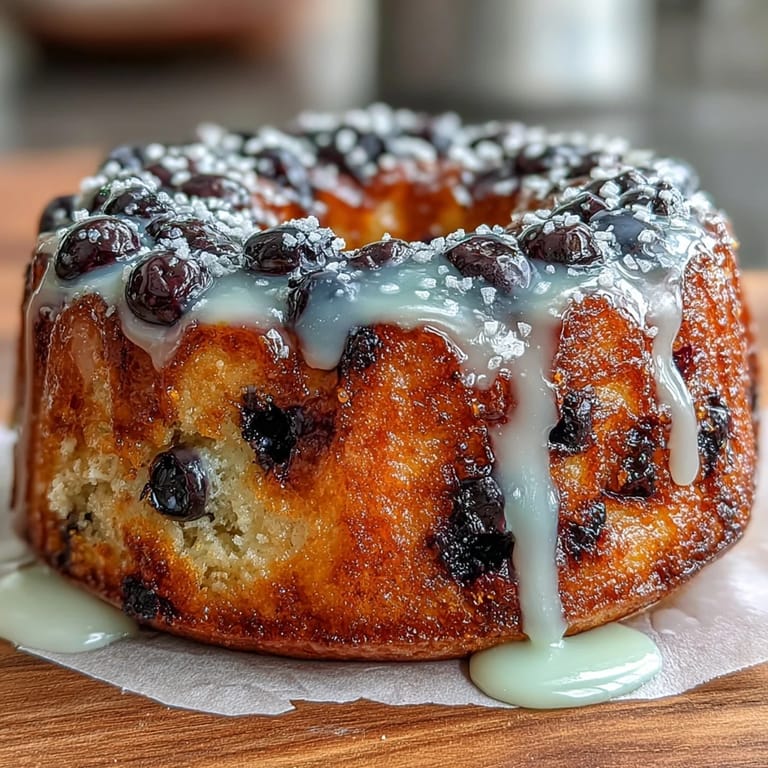
- Whisk powdered sugar, lemon juice, and zest until smooth and pourable. Dip each cooled donut into the glaze, let excess drip off, then place it back on the rack to set.
 Save to Pinterest
 These donuts taught me that breakfast can be both special and practical. I've made them on rushed mornings when I wanted to feel like I'd done something good for myself, and I've made them the night before for guests so I could greet them with something still-warm and generous. That's when food becomes more than fuel—it becomes how you say hello to people.
Why Sourdough in Donuts Works
Most recipes use yeast or rely entirely on chemical leavening, but sourdough starter adds layers—literally and flavor-wise. The starter brings a subtle tang that deepens the lemon without making anything taste sour, and it contributes natural fermentation that makes the crumb tender in a way baking powder alone can't achieve. Think of it as giving your discard a purpose while also making better donuts.
The Blueberry Question
Fresh blueberries burst slightly and release juice, which creates little flavor pockets throughout the donut. Frozen blueberries stay more intact and won't tint the batter as much, but they work beautifully too. I've made batches both ways and honestly prefer frozen when I'm not using them at peak season—they're picked ripe and frozen immediately, so flavor-wise you're getting something truthful even in winter.
Storage and Next-Day Eating
These donuts are best the same day they're made, when the crumb is most tender and the glaze is still slightly set. If you have leftovers, store them in an airtight container for up to 2 days and eat them at room temperature or give them a 10-second blast in the microwave to warm through. They don't dry out quickly because of the buttermilk and butter in the dough, so day-two donuts are still pretty good.
- Make the batter the night before if you want fresh donuts for breakfast—just cover the bowl and refrigerate, then bake in the morning.
- The lemon glaze sets at room temperature, so give it 15 to 20 minutes before you dig in and it won't be sticky.
- If your donuts crack slightly while baking, it's usually because the oven temperature was too high; they still taste wonderful and honestly look more homemade that way.
 Save to Pinterest
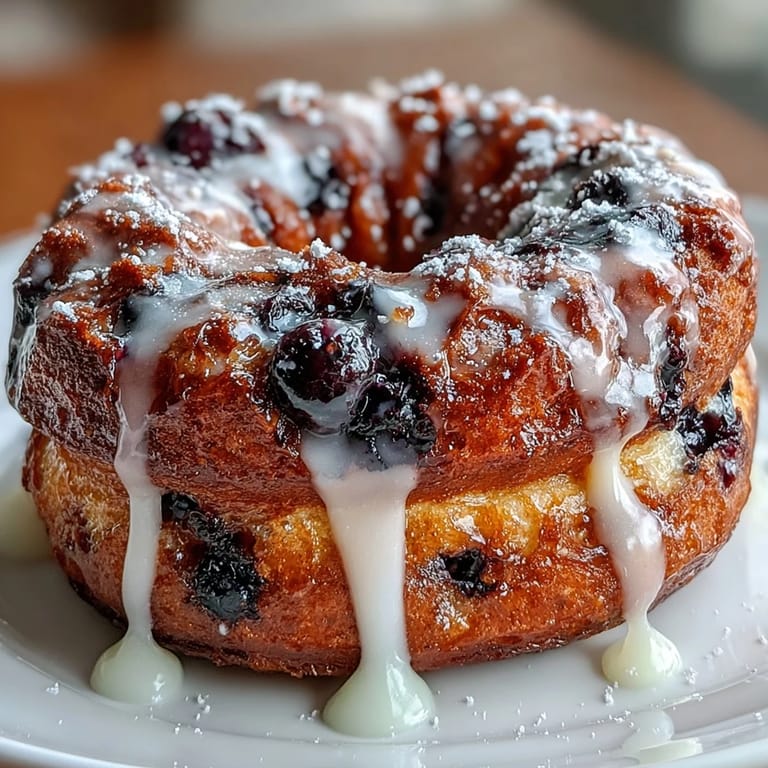
 Making these donuts feels like the bridge between practical baking and something that makes people genuinely happy. Once you taste one warm from the oven with that bright glaze dripping off, you'll understand why I keep coming back to this recipe.
Recipe FAQs
- → How does the sourdough starter affect the texture?
The sourdough starter provides natural leavening, creating a tender, soft crumb with subtle tang, enhancing the donuts' depth of flavor.
- → Can frozen blueberries be used?
Yes, frozen blueberries work well. Tossing them in flour before folding prevents sinking and bleeding, preserving texture and color.
- → What substitutes for buttermilk are recommended?
You can use plain yogurt or milk combined with 1 tsp vinegar as a buttermilk alternative to maintain acidity and tenderness.
- → How is the lemon glaze prepared?
The glaze is made by whisking powdered sugar with fresh lemon juice and zest until smooth, then dipping cooled donuts to add tangy sweetness.
- → What baking tools are necessary?
Nonstick donut pans, mixing bowls, a whisk and spatula, and a cooling rack are essential for shaping and baking these treats.