 Save to Pinterest
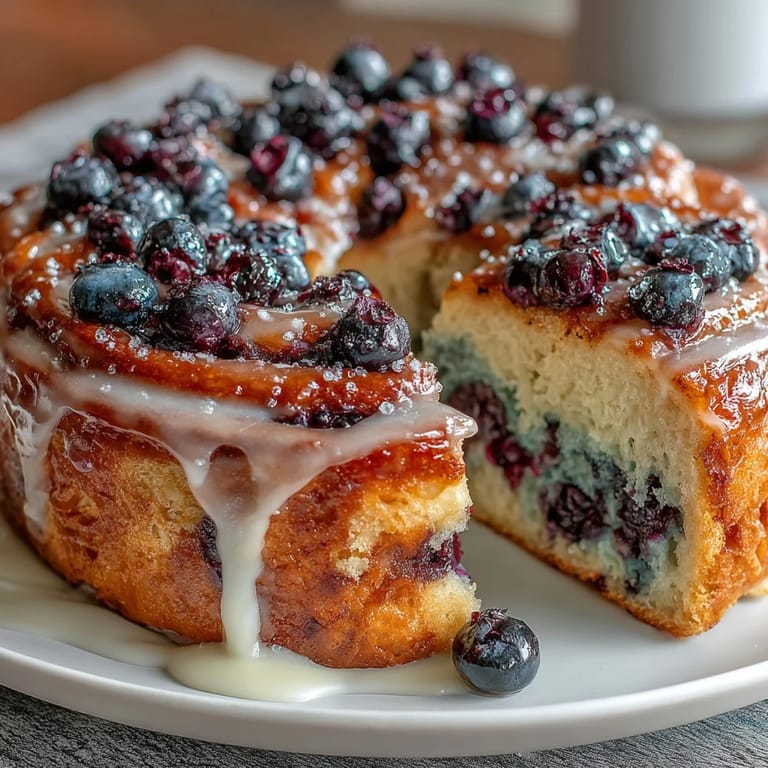
 There's something magical about the moment sourdough starter bubbles to life, and I discovered that magic intensified when I swirled in bright blueberries and lemon zest one Sunday morning. My kitchen filled with such a clean, citrusy aroma that my neighbor actually knocked to ask what smelled so incredible. That loaf became legendary at our weekly coffee gatherings, and now whenever someone requests it, I know I'm about to spend a day nurturing dough and anticipating those first warm slices.
I'll never forget bringing this to a potluck where someone was convinced I'd bought it from a fancy bakery until I mentioned the sourdough starter cooling on my countertop. That moment of disbelief felt better than any compliment, and it taught me that taking time with dough creates something that tastes like genuine care.
Ingredients
- Bread flour: This sturdy flour develops gluten beautifully and gives your loaf that tender crumb structure you want, though I've learned that slightly older flour sometimes behaves more predictably than fresh batches.
- Active sourdough starter: The heartbeat of this bread, and I keep mine at 100% hydration because it measures so cleanly and ferments more consistently than thicker versions.
- Whole milk, lukewarm: Temperature matters more than you'd think; too hot kills the starter, too cold slows everything down, so I test it like a baby's bottle.
- Unsalted butter, softened: Softened rather than melted integrates better and creates that silky crumb, plus you control the exact salt level with this approach.
- Granulated sugar: Just enough sweetness to support the fruit without making this feel like dessert bread.
- Large egg: Binds everything together and contributes to that golden, tender crumb.
- Fine sea salt: Strengthens gluten and balances the citrus brightness beautifully.
- Lemon zest: Fresh zest makes the difference between subtle lemon notes and that pronounced zing that cuts through the richness.
- Fresh or frozen blueberries: Frozen blueberries work just as well as fresh, and honestly sometimes bleed more evenly through the swirl.
- Cornstarch: Thickens the blueberry filling just enough so it doesn't puddle out during baking and soak your dough.
- Powdered sugar and lemon juice: The optional glaze adds a subtle tang and makes the loaf feel finished, like you really took time with it.
Tired of Takeout? 🥡
Get 10 meals you can make faster than delivery arrives. Seriously.
One email. No spam. Unsubscribe anytime.
Instructions
- Build your blueberry swirl first:
- Combine blueberries, sugar, and lemon juice in a saucepan and cook over medium heat, stirring gently until the berries burst and juice flows freely, which takes about 5 to 7 minutes. Stir in cornstarch and let it bubble for another minute until the mixture thickens, then spread it on a plate to cool completely, because hot jam ruins dough.
- Mix your dough together:
- Combine lukewarm milk, sourdough starter, softened butter, sugar, egg, salt, and lemon zest in a large bowl or stand mixer, stirring until everything mingles. Gradually add flour and knead for 8 to 10 minutes until the dough feels smooth, elastic, and slightly tacky but not sticky.
- Give it space to grow:
- Place the dough in a lightly greased bowl, cover it loosely, and let it rise at room temperature until it doubles in size, which typically takes 4 to 6 hours depending on how active your starter is. You'll know it's ready when you poke it gently and the indent stays rather than springing back immediately.
- Shape with intention:
- Turn the dough onto a floured surface and roll it into a 9 by 16 inch rectangle, then spread your cooled blueberry swirl evenly across, leaving about a 1 inch border so nothing squeezes out. Roll it up tightly from the short end like you're wrapping a gift, and place it seam-side down in a greased loaf pan.
- Let it rise again:
- Cover the pan and let the dough rise at room temperature for 1 to 2 hours until it looks puffy and nearly doubled. A good sign is when the top of the dough almost reaches the rim of the pan.
- Bake until golden:
- Preheat your oven to 350°F, then bake for 35 to 40 minutes until the top is deep golden brown and the loaf sounds hollow when you tap the bottom. If the top browns too quickly, loosely tent it with foil for the last 10 minutes.
- Finish with brightness:
- Once the loaf cools, mix powdered sugar with lemon juice to create a thin glaze and drizzle it across the top for extra visual appeal and a citrus kiss. This step is optional but transforms the loaf from homemade to bakery-looking.
 Save to Pinterest
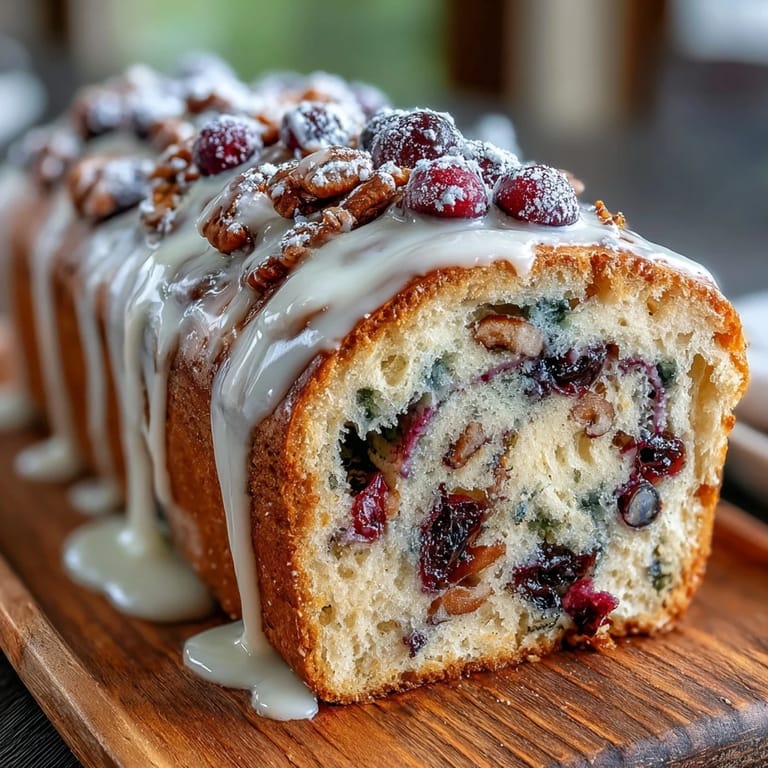
 There's a quiet joy in wrapping a warm loaf in linen after it cools, knowing you've created something from a handful of ingredients and patience. That moment when you slice into it and see the purple swirl running through the golden crumb feels like small magic every single time.
Starter Care and Timing
Working with sourdough starter taught me that timing isn't about a clock; it's about reading your dough like you're learning its language. My starter behaves differently depending on the season, kitchen temperature, and how recently I've fed it, so I watch for visual cues like bubbles and volume rather than assuming the recipe timing will be exact.
Working with Blueberries
I used to shy away from adding fruit to sourdough because I feared soggy bread, but cooking the blueberries down into a jam eliminates excess moisture while concentrating flavor. The cornstarch thickens the mixture so it stays put during baking instead of migrating to the bottom of the loaf, which was my constant frustration until I figured this out.
Customization and Storage
This loaf is endlessly flexible, and I've experimented with everything from substituting raspberries to adding a touch of vanilla extract to the dough. The bread toasts beautifully the next day if you slice it, and it keeps well in a cloth bag at room temperature for a few days, though I rarely have leftovers long enough to find out.
- For deeper lemon intensity, zest two lemons instead of one or add an extra tablespoon of lemon juice to the glaze.
- Raspberries, blackberries, or even stone fruits cooked down work beautifully using the same method.
- Slice with a serrated knife while slightly warm to prevent tearing and reveal the gorgeous swirl.
 Save to Pinterest
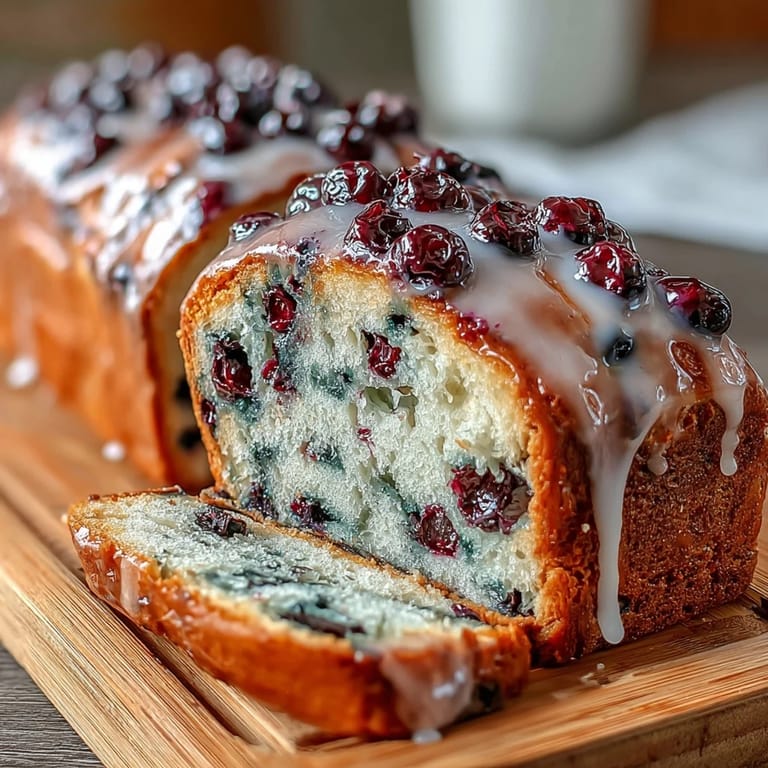
 This bread represents everything I love about sourdough baking: the visible evolution from starter to finished loaf, the sensory pleasure of mixing and shaping, and that moment when someone tastes it and genuinely pauses to say thank you. Make it, share it, and watch it become someone's favorite reason to visit your kitchen.
Recipe FAQs
- → How do I prepare the blueberry lemon swirl?
Combine blueberries, sugar, and lemon juice in a saucepan. Cook over medium heat until berries burst and juice thickens with cornstarch, then cool completely before use.
- → What is the best way to shape the loaf?
Roll the dough into a rectangle, spread the cooled blueberry lemon swirl evenly leaving a border, then roll tightly from the short end to form a log.
- → How long should the dough rise?
First rise takes 4–6 hours at room temperature until doubled. After shaping, let it rest 1–2 hours until puffy and nearly doubled again.
- → Can I substitute blueberries with other fruits?
Yes, raspberries work well for a different fruity twist, offering a similar balance of sweetness and tartness.
- → What tools are needed for this loaf?
A mixing bowl or stand mixer, rolling pin, saucepan, and a 9x5-inch loaf pan are essential. A pastry brush is helpful for glazing.
- → Is there an optional finishing touch?
A glaze made from powdered sugar and lemon juice can be drizzled over the cooled loaf for extra brightness.