 Save to Pinterest
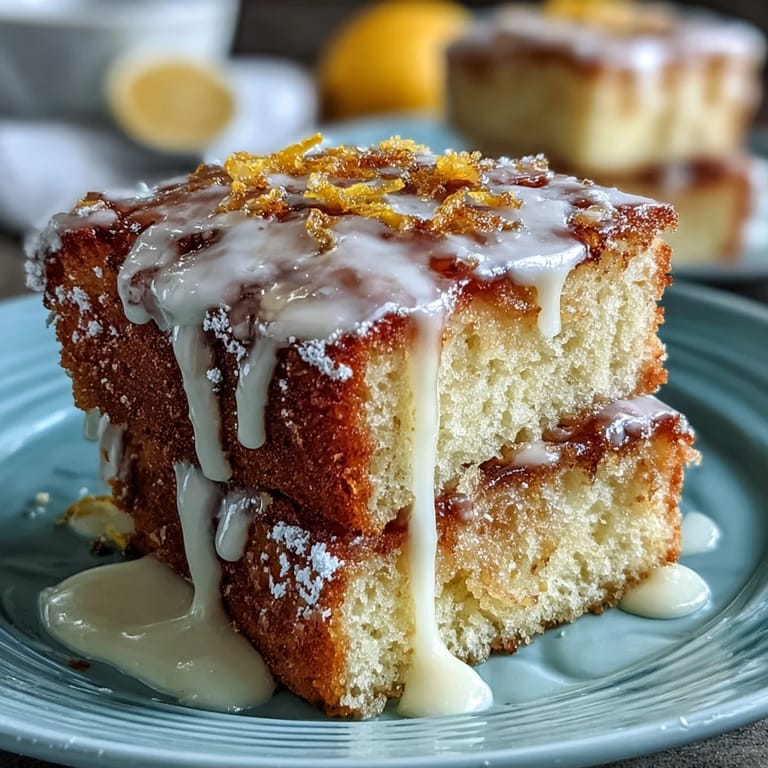
 My kitchen smelled like a lemon orchard the afternoon my Sicilian neighbor brought over a bottle of homemade Limoncello and suggested I bake something worthy of it. I'd never thought to infuse a pound cake with the stuff until she described how the bright, boozy sweetness would melt into butter and eggs, creating something that tasted like sunshine on a plate. That single conversation changed how I approach dessert—now I'm always thinking about layers of flavor instead of just following what's written down. This cake became my answer to her suggestion, and it's been my go-to ever since.
I made this cake for a book club gathering where everyone brought desserts, and I remember standing in my kitchen listening to rain tap against the window while the cake baked, filling the whole house with that intoxicating lemon-butter aroma. When I pulled it from the oven and watched the glaze pool and settle on top, I knew this one was going to be requested again. My friend Maria took the last slice and texted me the next day asking for the recipe, which is always the moment you know you've nailed something.
Ingredients
- Unsalted butter (1 cup, softened): Use softened butter—not melted, not cold—because it creams properly with sugar and traps air, which keeps the cake tender and prevents a dense crumb that nobody wants.
- Granulated sugar (2 cups): This is your moisture and structure; don't skimp on creaming time, as those air bubbles are what makes pound cake light instead of brick-like.
- Eggs (4 large, room temperature): Cold eggs won't blend smoothly and can cause the batter to break, so pull them out an hour before you start or drop them in warm water for five minutes.
- Limoncello liqueur (1/4 cup): This is the star—it adds complexity and a subtle warmth that plain lemon juice simply cannot deliver, so don't skip it unless you absolutely must.
- Whole milk (1/4 cup, room temperature): Cold milk can seize up the batter, so let it sit on the counter while you prep, and it'll keep the crumb moist without making it greasy.
- Fresh lemon zest (2 tablespoons): Zest your lemons just before mixing to capture the volatile oils that give you that fresh, bright flavor; pre-zested stuff tastes like cardboard in comparison.
- Fresh lemon juice (1/4 cup): Squeeze it yourself from those same lemons—bottled juice has a harsh, metallic edge that muddles the delicate balance you're trying to achieve.
- All-purpose flour (2 1/2 cups): Measure by spooning into your cup and leveling off, not by dipping, because packed flour will dry out your cake and make it tough.
- Baking powder (1 1/2 teaspoons): Check the date on your container; old baking powder loses its lift, which is one of the sneakiest reasons a cake comes out dense.
- Salt (1/2 teaspoon): This tiny amount doesn't make the cake taste salty—it amplifies the lemon flavor and balances the sweetness, so include it.
- Powdered sugar (1 cup, sifted): Sifting removes lumps and ensures your glaze is smooth and glossy instead of gritty, which only takes a minute and makes all the difference.
- Limoncello liqueur (1 tablespoon for the glaze): A small splash keeps the glaze soft and pourable while echoing the flavor of the cake itself.
Tired of Takeout? 🥡
Get 10 meals you can make faster than delivery arrives. Seriously.
One email. No spam. Unsubscribe anytime.
Instructions
- Prep your pan and heat your oven:
- Set the oven to 350°F and grease your loaf or bundt pan with soft butter, then dust it with flour, tapping out the excess—this prevents sticking and gives your cake pretty edges. If you want to be extra safe, line the bottom with parchment paper so you can lift the cake right out once it cools.
- Cream the butter and sugar:
- Beat them together for three to four minutes until the mixture looks pale, fluffy, and almost mousse-like; this is where you're whipping in air that'll make the cake light and tender. You'll hear the mixer working harder as the mixture thickens, and that's exactly what you want—it means it's ready for the eggs.
- Add the eggs one at a time:
- Drop in one egg, beat until it's fully incorporated and the mixture looks smooth again, then repeat with the rest; if you dump them all in at once, the batter can break and you'll end up with an oily, separated mess. Take your time here—it's only a minute per egg, and it's the difference between a tender crumb and a dense one.
- Mix in the wet ingredients:
- Stir in the lemon zest, Limoncello, lemon juice, and milk until everything is just combined; don't overmix at this stage because you don't want to develop the gluten in the flour yet. The batter will look wet and a bit loose, but that's fine—you're about to add the dry stuff.
- Whisk together the dry ingredients:
- In a separate bowl, combine the flour, baking powder, and salt so they're evenly distributed; this prevents pockets of baking powder in your finished cake. A quick whisk takes ten seconds and saves you from dense spots and odd texture.
- Combine wet and dry gently:
- Add the dry ingredients to the wet ingredients in two additions, stirring just until you don't see white streaks of flour anymore; overmixing here develops gluten, which makes the cake tough and chewy instead of tender. Stop as soon as it looks incorporated—a few lumps are your friend.
- Pour and smooth:
- Transfer the batter to your prepared pan and use an offset spatula or the back of a spoon to level the top so it bakes evenly. If you're using a bundt pan, you can tap the pan gently on the counter to help the batter settle into all those pretty grooves.
- Bake until golden:
- Bake for fifty to fifty-five minutes, checking around the forty-minute mark by inserting a toothpick into the center—when it comes out clean or with just a few moist crumbs (not wet batter), you're done. The cake should smell deeply of lemon and butter, and the top will be golden brown and spring back slightly when you touch it.
- Cool with patience:
- Let the cake rest in the pan for fifteen minutes—this is crucial because it's still cooking slightly from residual heat and will hold together better when you turn it out. After fifteen minutes, turn it out onto a wire rack and let it cool completely before glazing, which takes about an hour.
- Make the glaze:
- Whisk together the sifted powdered sugar, two to three tablespoons of fresh lemon juice, and one tablespoon of Limoncello until smooth and pourable, adjusting the lemon juice to get the consistency you want. If it's too thick, add more juice a teaspoon at a time; if it's too thin, sift in a bit more powdered sugar.
- Glaze and finish:
- Drizzle the glaze over the cooled cake in whatever pattern feels right—you can be neat or rustic, it's your call—and if you want, sprinkle a pinch of lemon zest on top for a little pop of color and flavor. Let the glaze set for at least thirty minutes before slicing, which gives it time to firm up and stay put instead of running off onto your plate.
 Save to Pinterest
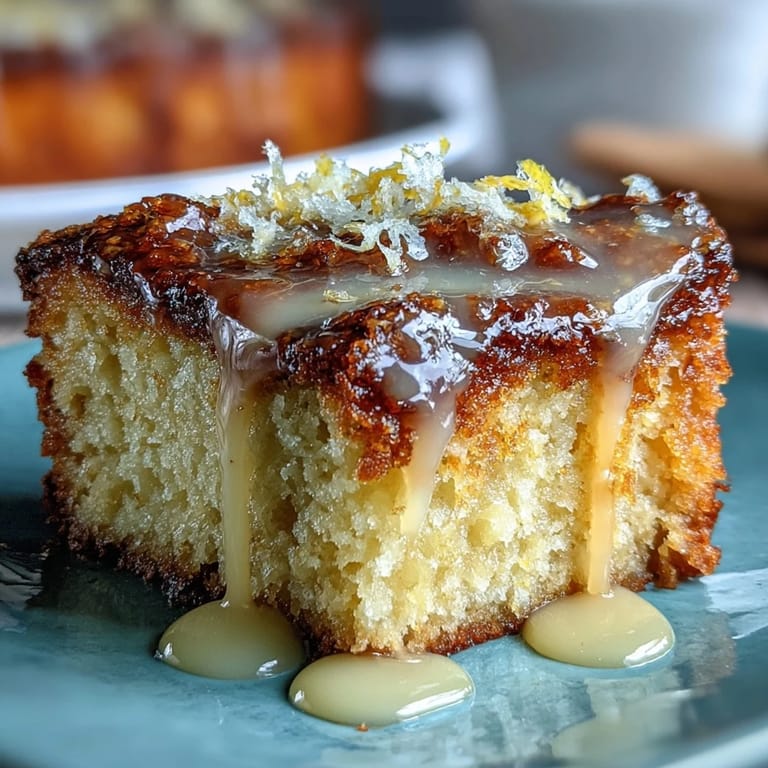
 What struck me most about this cake wasn't the first time I made it, but a random Tuesday afternoon when my daughter came home from school and asked what that smell was, then sat at the kitchen counter eating a slice while telling me about her day. That's when I realized this cake had become more than just a dessert—it was turning into one of those small rituals that makes a home feel like a home. Now whenever I bake it, I think about her sitting there with powdered sugar on her nose.
Why Fresh Citrus Matters
I used bottled lemon juice exactly once and never again, because the difference between fresh-squeezed and the stuff in a plastic bottle is the difference between tasting bright lemon and tasting sharp, chemical lemon. Fresh zest has volatile oils that activate when you grate it, filling your kitchen with that fresh, alive aroma that bottled zest can't replicate. Your cake deserves the real thing, and lemons are cheap enough that there's no good reason to compromise.
Room Temperature Is Not Optional
The first time I tried to rush this cake and used cold eggs straight from the fridge, the batter separated and looked broken, almost curdled, and I ended up with a dense, oily cake that nobody wanted to eat. I learned that afternoon that creaming cold eggs into butter breaks the emulsion, and once it breaks, you can't really fix it. Now I make it a point to pull eggs and milk out before I do anything else, and the difference in the final cake is honestly shocking—it's fluffy instead of heavy, which is the whole point of a pound cake.
Storage and Serving Secrets
This cake actually tastes better the next day, after the Limoncello has mellowed into every crumb and the flavors have settled and unified, so you're not sacrificing anything by baking it ahead. Store it wrapped in plastic wrap at room temperature for up to three days, or wrap it tightly and freeze it for up to a month. I like to serve it with fresh berries on the side, or sometimes just a dollop of whipped cream, though honestly it's plenty good on its own.
- If the glaze hardens too much before you finish drizzling, just set the bowl over warm water for a minute to loosen it up again.
- A serrated bread knife works better than a regular chef's knife for slicing because the glaze can crack and tear with a sharp blade.
- This cake is vegetarian and can easily be dairy-free if you use vegan butter and a plant-based milk, though I haven't tested that combination myself.
 Save to Pinterest
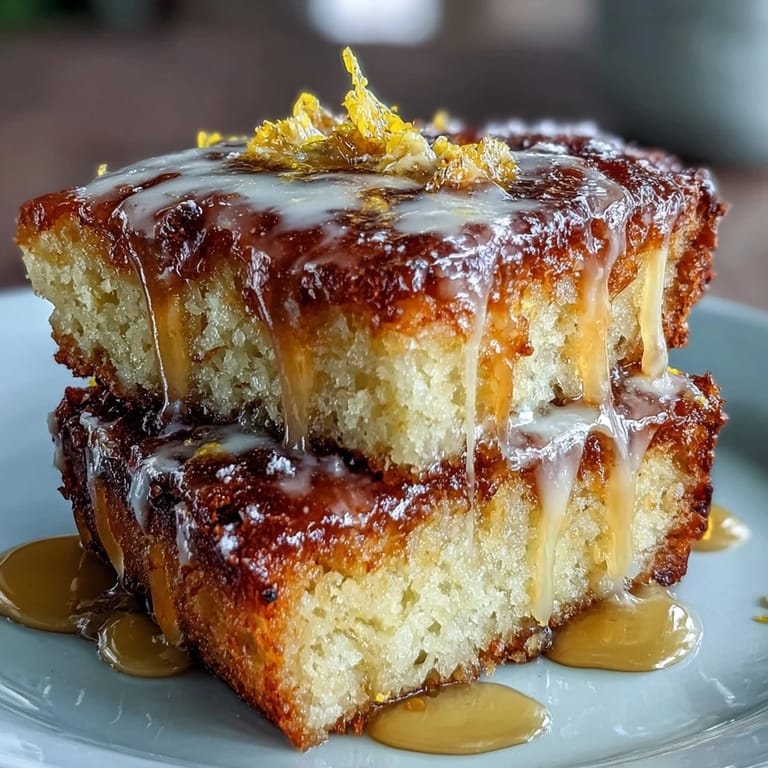
 This cake has become my answer to when I want to impress someone without spending all day in the kitchen, and it never fails to make people ask for the recipe. There's something about a cake that tastes sophisticated but comes together in less than two hours that feels like a small magic trick, and every time I bake it, I'm grateful my neighbor suggested it.
Recipe FAQs
- → What gives the cake its moist texture?
The combination of butter, eggs, milk, and Limoncello liqueur ensures a tender and moist crumb in the cake.
- → Can I substitute Limoncello with something else?
Yes, replacing Limoncello with extra lemon juice offers a similar citrus brightness without the alcohol, though the flavor will be less complex.
- → How should I prepare the lemon glaze?
Whisk powdered sugar with fresh lemon juice and Limoncello until smooth and pourable, then drizzle over the cooled cake for a tangy finish.
- → What baking pans work best for this cake?
A 9x5-inch loaf pan or bundt pan is recommended to achieve even baking and the ideal cake shape.
- → Any tips for a lighter cake texture?
Substitute half of the all-purpose flour with cake flour to achieve a lighter, more delicate crumb.