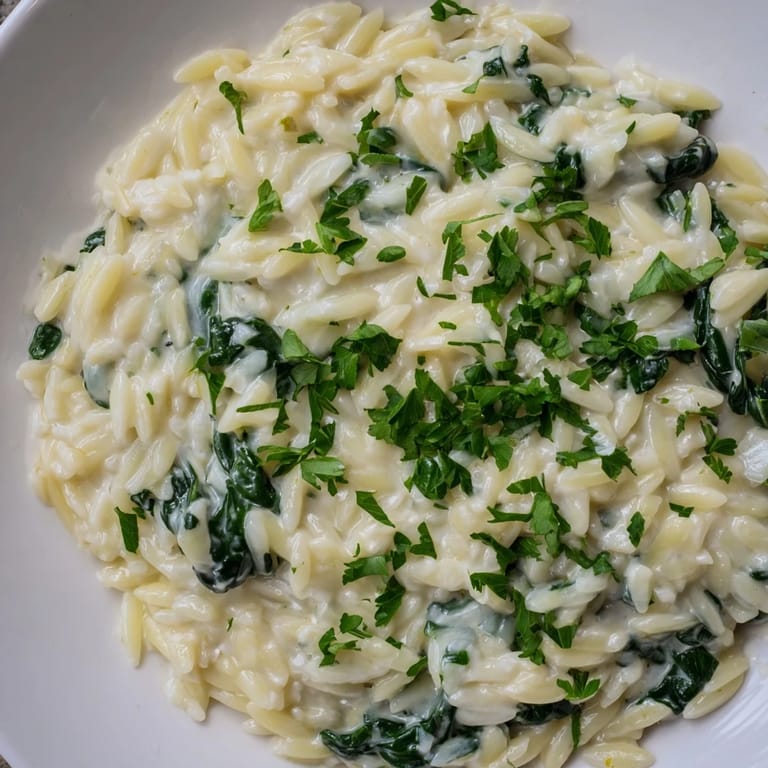
 Save to Pinterest
 There's something about a kitchen filled with the smell of butter and garlic that makes you forget you're cooking on a Tuesday night after work. I stumbled into this one-pot creamy orzo during one of those moments when I had maybe thirty minutes and a handful of pantry staples, and honestly, I wasn't expecting much. But the way the tiny pasta soaks up that silky broth, the way the cheese melts into something that feels almost luxurious—it stopped me mid-bite. This became the dish I make when I need comfort but don't have the patience for anything complicated.
I made this for my roommate on a cold evening when she came home looking absolutely defeated by her day, and she literally sat at the counter and didn't say anything for a few minutes except 'this is so good.' Sometimes the most meaningful meals aren't the ones you spend hours on—they're the ones that taste like someone understood exactly what you needed in that moment.
Ingredients
- Orzo pasta (1 1/2 cups): This rice-shaped pasta is key—it's small enough to become almost creamy as it cooks in the broth, but substantial enough to feel like a real meal.
- Unsalted butter (2 tablespoons): Start here for the flavor foundation; it's the difference between a dish that tastes like instructions and one that tastes like home.
- Vegetable broth (3 cups): Use low-sodium so you can actually taste the other ingredients and control the salt yourself.
- Heavy cream and milk (1/2 cup each): The cream makes it rich, but the milk keeps it from being overwhelming—think of them as a balanced team.
- Parmesan cheese (1/2 cup freshly grated): Fresh is worth the extra thirty seconds; the flavor is brighter and it melts more smoothly into the sauce.
- Baby spinach (2 cups): It wilts right at the end and adds a gentle earthiness that stops the dish from feeling one-note.
- Garlic (3 cloves minced) and yellow onion (1 small, diced): These are your aromatic backbone—don't skip toasting them in butter first.
- Fresh parsley (1/4 cup): Stir this in at the very end for brightness and a little textural contrast.
- Mozzarella (1/2 cup, optional): I only add this when I want it extra indulgent, but it's genuinely optional if you're already satisfied with the Parmesan.
Tired of Takeout? 🥡
Get 10 meals you can make faster than delivery arrives. Seriously.
One email. No spam. Unsubscribe anytime.
Instructions
- Butter and build the base:
- Melt the butter over medium heat and let it foam slightly before the onion goes in—you'll know it's ready when the butter smells sweet and a little nutty. Add the diced onion and let it soften for 3 to 4 minutes, stirring occasionally; you're not rushing this part.
- Wake up the garlic:
- Once the onion is translucent and starting to caramelize at the edges, add the minced garlic and stir constantly for about a minute—it should go from raw to fragrant, and the kitchen will suddenly smell like someone who knows what they're doing.
- Toast the orzo:
- Add the dry orzo and stir it around in the butter and aromatics for 2 minutes, coating every grain; this gives the pasta a slightly nutty depth that boiling alone would never achieve.
- Pour in the liquid and let it simmer:
- Add the vegetable broth and milk in one go, stir until everything is combined, and bring it to a gentle simmer—not a rolling boil, just a soft bubbling that looks alive. Let it cook uncovered for 10 to 12 minutes, stirring frequently so the orzo doesn't stick to the bottom, and you'll watch the liquid slowly absorb into the pasta.
- Bring in the cream and cheese:
- Once the orzo is tender and most of the liquid is gone, pour in the heavy cream and add the grated Parmesan and mozzarella if you're using it; stir until the cheeses melt into the pasta and you have something that looks silky and irresistible.
- Finish with the greens:
- Fold in the spinach and let it wilt for 1 to 2 minutes—it'll seem like a lot of greens at first, but it collapses down into something that feels integrated, not like an afterthought. Taste as you go and adjust the salt, pepper, and red pepper flakes if you like a little heat.
- Plate and serve:
- Remove from heat, scatter the fresh parsley over the top, and serve while it's still warm and the cheese is at its creamiest. This dish is best enjoyed immediately while the sauce is still clinging to every piece of pasta.
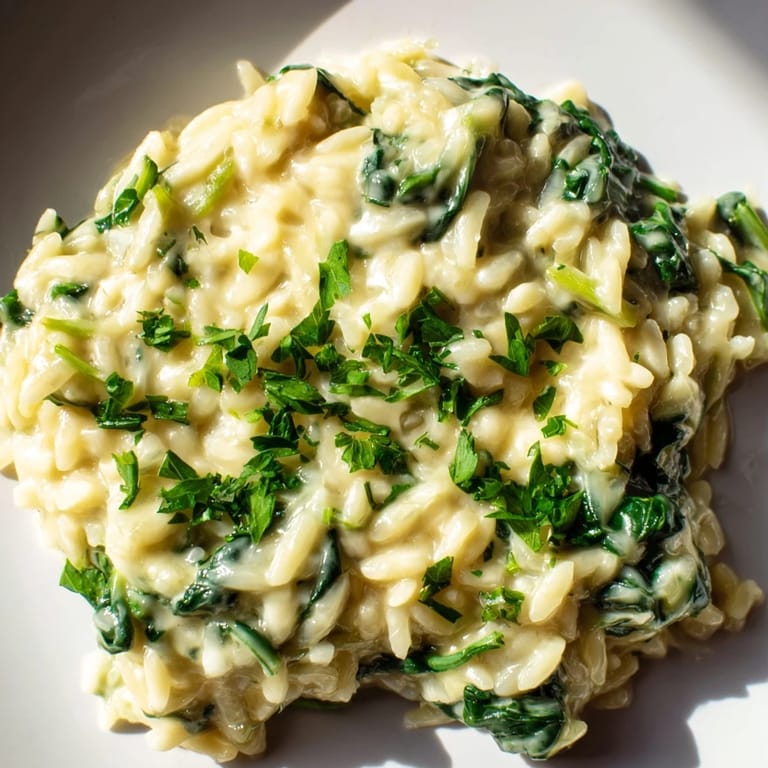 Save to Pinterest
 I've served this to people who usually shy away from 'simple' food, and they always ask for the recipe because they're shocked that something this creamy and restaurant-quality came together in less time than it takes to order delivery. That's when you know you've found something real.
Why This Works as a One-Pot Meal
The beauty of cooking the pasta directly in the broth instead of boiling it separately is that every grain absorbs flavor as it softens, and you're not left with starchy pasta water to drain away—that starch is part of what helps create the creamy sauce. The broth does double duty as both cooking liquid and sauce base, which means less waste and more flavor concentration. When you add the cream and cheese at the end, it all comes together into something cohesive that tastes like it simmered for hours, even though you've only been at the stove for twenty minutes.
How to Customize Without Losing the Magic
This recipe is forgiving enough to work with different vegetables depending on what's in your fridge or what season it is—I've swapped the spinach for kale in winter when I wanted something heartier, or added sun-dried tomatoes for brightness and a slightly different texture. Protein-wise, shredded cooked chicken or shrimp work beautifully, or if you're vegetarian, sautéed mushrooms add an umami depth that feels substantial. The key is not to overcrowd the pot in the last few minutes; add your extras at the right moment so they heat through without falling apart or making the sauce too thin.
The Seasons for Comfort Pasta
In summer, I make this with fresh basil instead of parsley and lighter on the cream because the heat makes you crave something less heavy, but the structure stays the same. Fall and winter are when I lean into the full richness—sometimes I'll add a splash of white wine to the broth for acidity, or top each bowl with a little more Parmesan and maybe some toasted breadcrumbs for texture. Spring feels like the right time to add more greens, maybe some peas, and a whisper of lemon zest at the end.
- If the sauce seems too thick after it sits for a few minutes, add a splash of warm broth or milk to loosen it up—orzo continues to absorb liquid even after you've finished cooking.
- For a vegan version, use plant-based butter and cream with nutritional yeast instead of Parmesan, and make sure your broth and orzo are certified vegan.
- This dish reheats gently on the stovetop with a little extra milk stirred in; the microwave tends to make it grainy and separated.
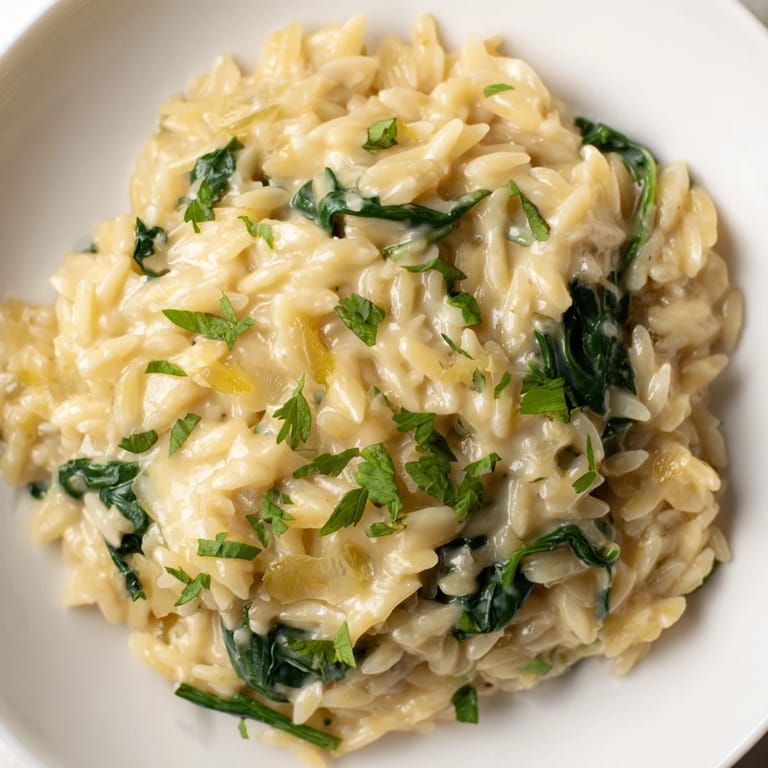 Save to Pinterest
 This one-pot creamy orzo has become my answer to those nights when you need something warm and genuine, not fancy. It's the kind of dish that reminds you why cooking at home matters—because you get to eat exactly what you want, when you want it, and nobody minds if you're still in yesterday's sweatshirt.
Recipe FAQs
- → Can I make this dish vegan?
Yes, swap butter, cream, and cheese with plant-based alternatives, and ensure the broth and orzo are vegan-friendly.
- → What can I use instead of spinach?
Kale or arugula work well as alternatives and can add different textures and flavors to the dish.
- → Is mozzarella necessary in this dish?
Moisture-rich mozzarella is optional; the creamy base with Parmesan and cream provides plenty of richness without it.
- → How long does the orzo take to cook?
Simmer for about 10–12 minutes until the orzo is tender and most liquid is absorbed before adding cheese and cream.
- → Can I add protein to this meal?
Yes, cooked chicken, shrimp, or sautéed mushrooms can be added for extra protein and heartiness.