 Save to Pinterest
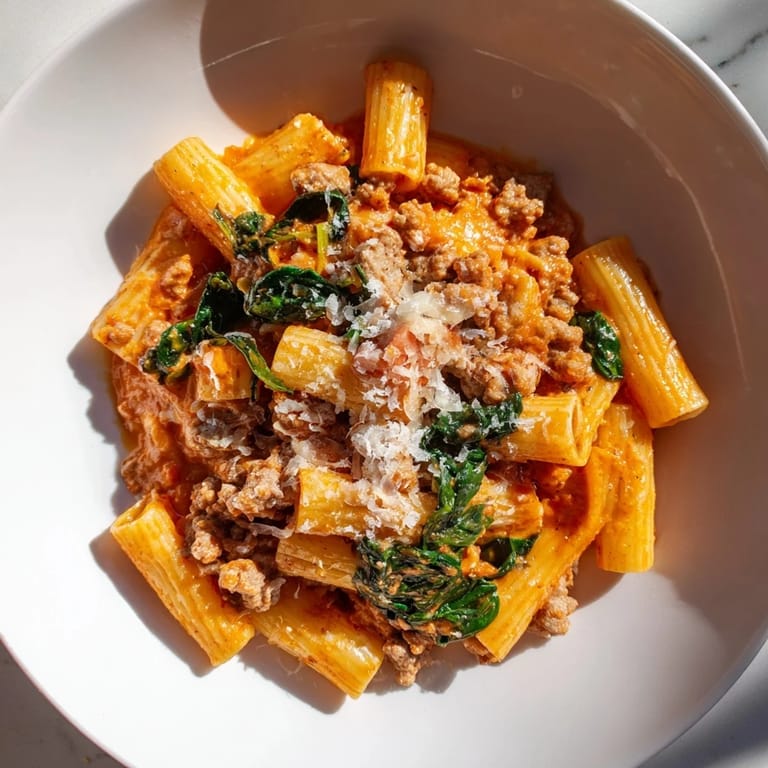
 There's something about a weeknight when everything clicks, and this one-pot Italian sausage pasta was born from exactly that kind of evening. I had friends dropping by unannounced, the kitchen was cold, and I needed something that would warm us all up without turning the stove into a chaotic mess. One pot, thirty-five minutes, and suddenly I was ladling bowls of silky tomato sauce studded with crumbly sausage while everyone gathered around the counter with wine glasses in hand.
I remember my neighbor smelling it from three houses down and somehow appearing at my door just as I was stirring in the cream. She took one bite and asked for the recipe immediately, then admitted she'd been intimidated by one-pot pasta dishes until she saw how forgiving this one actually is. That moment made me realize this isn't just a weeknight shortcut—it's a bridge between simple cooking and feeling like you've done something special.
Ingredients
- Italian sausage (400 g, mild or spicy): The backbone of this dish, and removing the casings lets it break down into tiny flavorful bits that season everything around it. Pick spicy if you want heat, mild if you're cooking for mixed tastes.
- Yellow onion (1 medium): Finely chopped so it softens into the sauce rather than remaining as visible chunks—this is where your flavor foundation starts.
- Garlic (3 cloves): Minced fine so it blooms quickly and perfumes the entire pot without turning bitter.
- Canned diced tomatoes (400 g): The acidity and body of the sauce, and canned is actually better here because it's already broken down and the juice cooks right in.
- Short pasta (300 g penne, rigatoni, or fusilli): Use what you love; these shapes catch the sauce in all their nooks, and cooking them directly in the broth means they're already seasoned through.
- Chicken broth (750 ml): Low-sodium lets you control the salt and prevents the dish from becoming one-dimensional and oversalted.
- Heavy cream (60 ml): Just enough to soften the acidity of the tomatoes and add richness without making it feel heavy.
- Parmesan cheese (60 g): Grated fresh tastes leagues better than pre-grated, and you'll use more as a garnish anyway.
- Olive oil (2 tbsp): The cooking fat that makes everything sauté properly and adds that whisper of Italian flavor.
- Dried Italian herbs (1 tsp): These bloom in the warm sauce and tie all the flavors together.
- Red pepper flakes (1/2 tsp, optional): For heat if you want it; I always include them because a little warmth balances the richness.
- Baby spinach (100 g, optional): Wilts in at the end and adds color and nutrition without changing the core flavor.
- Salt and black pepper: Season to taste at the end because flavors concentrate as liquid reduces.
Tired of Takeout? 🥡
Get 10 meals you can make faster than delivery arrives. Seriously.
One email. No spam. Unsubscribe anytime.
Instructions
- Get Your Pan Hot:
- Pour the olive oil into a large, deep skillet or Dutch oven and crank the heat to medium-high. You want it shimmering and almost smoking slightly before the sausage goes in, which takes about two minutes.
- Brown the Sausage:
- Add the sausage with its casings removed and let it sit for thirty seconds before breaking it apart with a wooden spoon. Don't stir it constantly; let it develop little browned bits that stick to the pan, about five minutes total. Those browned edges are where the flavor magic happens.
- Soften the Aromatics:
- Stir in the chopped onion and cook until it's translucent and softened, about three to four minutes. You'll see the sausage fat coat the onions and start to caramelize them slightly. Add the minced garlic and let it just warm through for about a minute until the kitchen smells incredible.
- Build the Sauce Base:
- Pour in the canned tomatoes with their juices, sprinkle in the Italian herbs and red pepper flakes, and give everything a good stir. Let it cook for a minute so the flavors wake up and the herbs release their oils.
- Add Pasta and Broth:
- Dump in the uncooked pasta and pour the chicken broth over everything. Stir well so the pasta doesn't stick together, then bring the whole pot to a boil—this takes about three to five minutes and you'll see the liquid start bubbling at the edges first.
- Simmer Until Done:
- Lower the heat to a simmer, cover the pot with a lid, and let it cook for twelve to fifteen minutes, stirring occasionally. The pasta will gradually absorb the broth and soften, and you're looking for that moment when it's tender but not mushy and most of the liquid is absorbed—taste a piece to know for sure.
- Finish with Cream and Cheese:
- Stir in the heavy cream and grated Parmesan, letting them melt into the warm pasta and create a silky sauce. If you're using spinach, add it now and cook for two to three minutes until it's completely wilted and turns a darker green.
- Season and Serve:
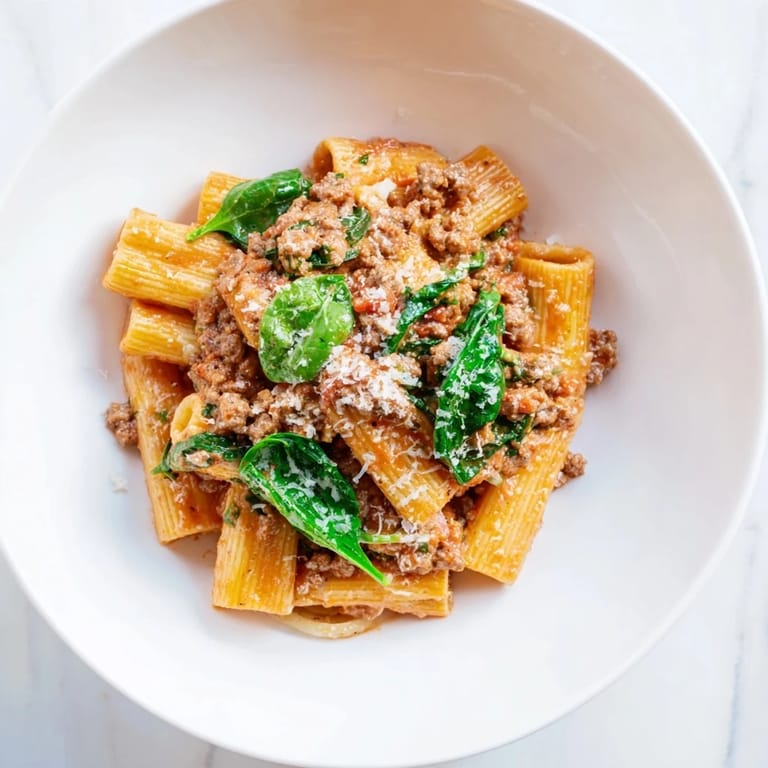
- Taste the whole pot and adjust the salt and pepper—you might need more than you think because all those flavors have concentrated down. Ladle into bowls and top with extra Parmesan and fresh basil if you have it.
 Save to Pinterest
 The moment I realized this dish had truly become part of my rotation was when my partner requested it three times in two weeks and I didn't even hesitate. There's comfort in knowing I can make something that tastes like I've been cooking all day, in less time than it takes to order delivery and wait for it to arrive.
Why This One-Pot Method Works
Cooking the pasta directly in the broth instead of separately is the secret to why this dish tastes so cohesive. Every grain of pasta is surrounded by the flavorful liquid, absorbing it gradually, so you end up with a sauce-soaked pasta rather than pasta that just sits in sauce. The starch from the pasta also helps thicken the broth naturally, creating a creamy consistency without needing much cream at all. I learned this the hard way by trying both methods side by side, and the difference is genuinely surprising.
Making It Your Own
This recipe is a blank canvas for whatever your kitchen has on hand or your taste buds are craving that night. Add sliced mushrooms or bell peppers with the onions if you want more vegetables, or swap in turkey sausage if you prefer something lighter. Some nights I add a handful of fresh basil at the very end instead of dried herbs, and other times I stir in a splash of red wine before the broth for extra depth. There's no wrong version of this dish as long as you're confident in your sausage and your tomatoes.
Pairing and Storage
A light Italian red wine like Chianti sips beautifully alongside this pasta, cutting through the richness of the cream while complementing the tomato. Leftovers keep beautifully in the refrigerator for three days and actually taste better the next day once all the flavors have had time to meld together.
- If your sauce seems too thick when you reheat it, add a splash of chicken broth or pasta water to loosen it back up.
- This freezes well for up to two months if you want to make a double batch and save one for a future busy night.
- Serve with crusty bread to soak up every last bit of sauce from your bowl.
 Save to Pinterest
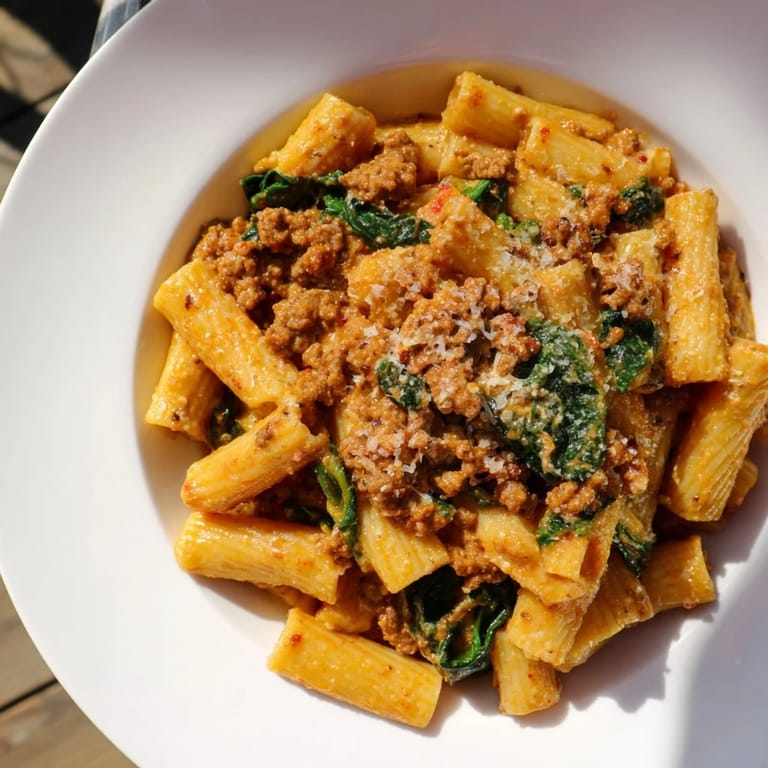
 This is the kind of recipe that gets better every time you make it because you learn what your stove does, what texture you prefer, and exactly how much seasoning feels right. Once it becomes yours, it stops being something you follow and starts being something you make without thinking.
Recipe FAQs
- → Can I make this dish gluten-free?
Yes, simply substitute the regular pasta with a gluten-free variety to accommodate dietary needs without changing the flavor profile.
- → What type of Italian sausage works best?
Both mild and spicy Italian sausages work well. Choose according to your preferred spice level for balanced flavor.
- → Can I add vegetables to this pasta?
Certainly! Adding sliced mushrooms, bell peppers, or spinach enhances the dish with extra nutrients and freshness.
- → How do I ensure the pasta is perfectly cooked?
Simmer the pasta uncovered, stirring occasionally, until it is al dente and most liquid is absorbed, typically 12–15 minutes.
- → Is there a recommended wine pairing?
Pair this hearty pasta with a light Italian red wine, such as Chianti, to complement the rich flavors.