 Save to Pinterest
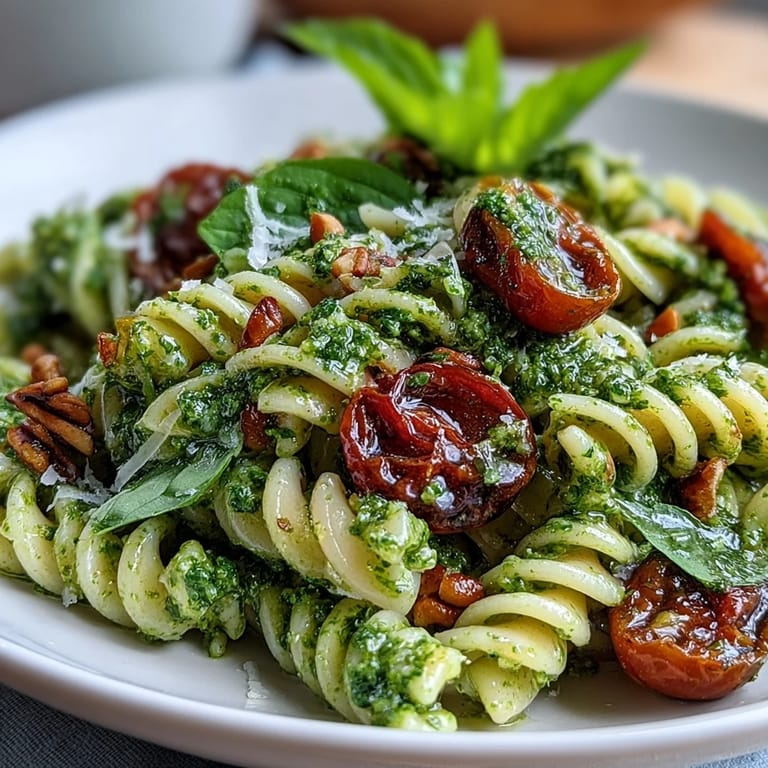
 My neighbor Marco showed up at the back door one scorching July afternoon with a basket of basil so fragrant it filled the entire kitchen before he even set it down. He'd grown tired of watching it bolt in the heat and insisted I make pesto, which led to this pasta salad—something I've made nearly every week since. It's become my answer to those days when the thought of cooking feels like too much, yet you still want something that tastes like you actually tried.
I'll never forget watching my daughter eat three bowls of this at a company picnic while everyone else was battling potato salad and questionable mayo-based sides. She kept going back for more until I finally told her to slow down, and hearing her say it was way better than store-bought felt like the highest compliment a home cook could receive.
Ingredients
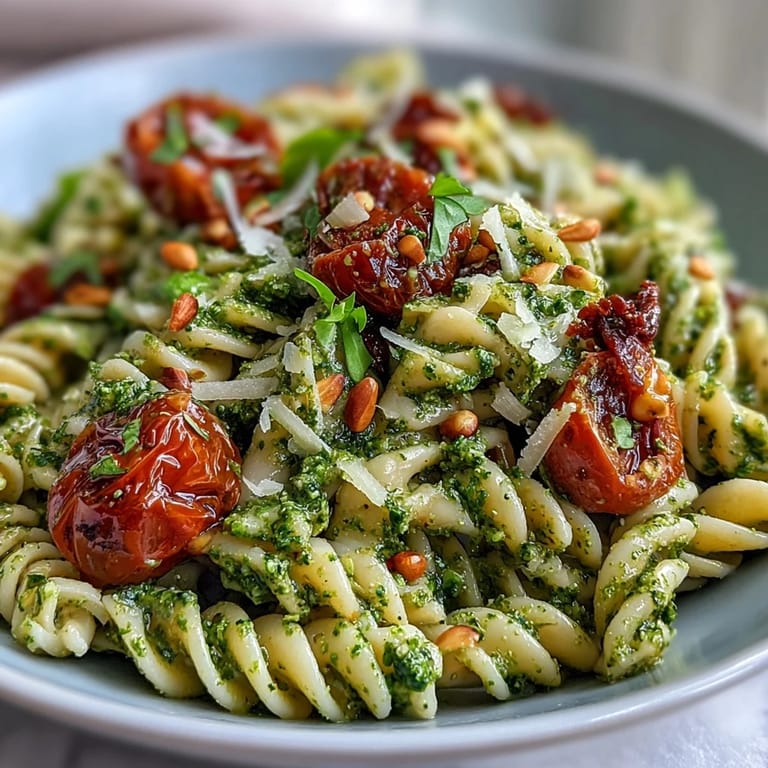
- Short pasta (fusilli, penne, or farfalle): 300g of these shapes hold onto pesto beautifully, unlike long pasta that tends to slip and slide around your fork.
- Fresh basil leaves: 50g of leaves picked from the top of the plant will have the most delicate flavor, avoiding the bruised or blackened bits lurking lower down.
- Pine nuts: 40g lightly toasted, which wakes up their buttery flavor and makes them less waxy-tasting than raw versions.
- Garlic clove: Just 1, because the basil should be the star and garlic can easily overshadow it in raw pesto.
- Parmesan cheese, grated: 50g for the pesto, plus 30g for shaving on top at the end, which gives you those gorgeous golden flakes everyone photographs.
- Extra virgin olive oil: 100ml of good quality stuff—this is where the pesto's complexity lives, so don't reach for the cheap bottle.
- Salt and freshly ground black pepper: To taste throughout, especially important when you're mixing raw ingredients that haven't had time to meld.
- Cherry tomatoes: 250g halved, preferably ones that actually taste like tomatoes and not like red water.
- Baby arugula: 50g optional, but the peppery bite keeps the salad from feeling heavy.
- Lemon zest: From 1 lemon, added at the very end to keep that bright, fresh zing alive.
Tired of Takeout? 🥡
Get 10 meals you can make faster than delivery arrives. Seriously.
One email. No spam. Unsubscribe anytime.
Instructions
- Boil the pasta until it's just right:
- Get that water to a rolling boil and salt it generously—it should taste like the sea. Drop in your pasta and watch the clock carefully, pulling a piece out a minute before the package says to check if it bends with just a tiny bit of resistance in the center. Drain it and run cold water over it, tossing gently so each piece cools down and stops cooking from its own heat.
- Build the pesto while waiting:
- Tear basil leaves into the food processor with your pine nuts, garlic, and grated parmesan, pulsing until everything breaks down into small pieces. With the machine running, pour in your olive oil in a thin stream, stopping every few seconds to check the texture—you want it smooth and silky, not completely pulverized into paste. Taste it and adjust with salt and pepper, remembering that pasta water will add a tiny bit more salt as you toss everything together.
- Combine and dress:
- Toss the cooled pasta, halved tomatoes, and arugula together in a large bowl, then add the pesto and mix thoroughly so every piece gets coated in that green goodness. Let it sit for a minute and taste again, adjusting seasoning because cool salads sometimes need a bit more salt than you'd expect.
- Plate and finish:
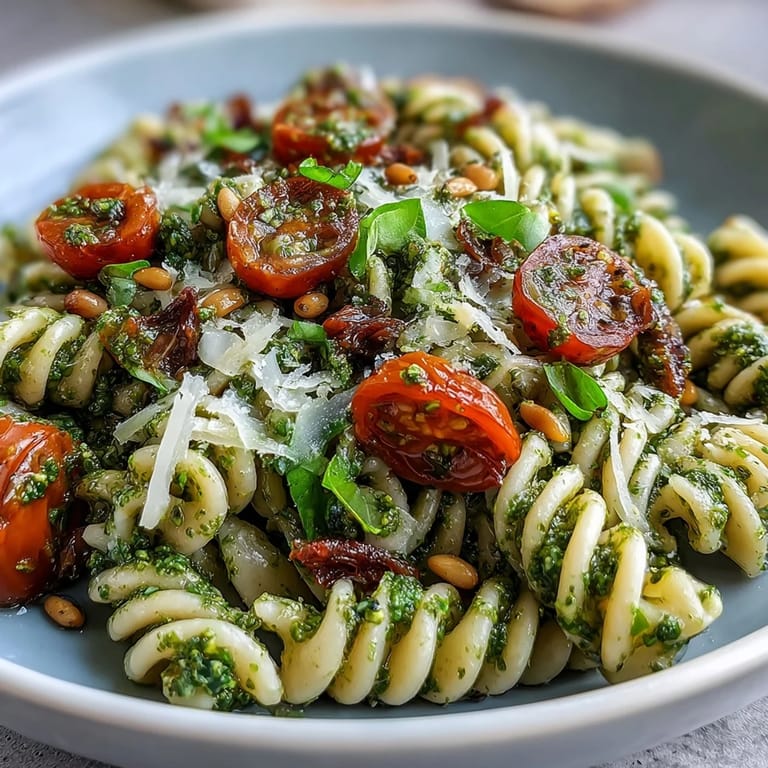
- Transfer everything to your serving platter, top with those shaved parmesan pieces and a generous shower of lemon zest. Serve right away while the pasta still has a hint of warmth, or cover and chill for up to two hours if you're making this ahead.
 Save to Pinterest
 There's something almost magical about watching people taste this for the first time and seeing their faces light up when they realize the pesto is homemade. It transforms the entire meal from something casual into something intentional, and that shift in perception changes everything about how the food tastes.
The Pesto Secret Everyone Should Know
The difference between a pesto that tastes bright and alive versus one that tastes bruised and oxidized comes down to one thing: don't over-process it. When you see tiny flecks of basil and nuts still visible, stop immediately. I learned this the hard way by watching my beautiful green sauce turn into a dark, flat-tasting mush, and now I err on the side of slightly chunky every single time.
Why Cold Pasta Salad Works Better Than You Think
Cold salads get a reputation for being sad office lunch leftovers, but this one actually improves overnight because the pasta continues to absorb the pesto flavors while sitting in the fridge. The tomato juices mingle with the oil, creating this light dressing that coats everything evenly. Bringing it out an hour before serving lets it return to room temperature, which is when all those flavors really sing.
Making This Your Own and Keeping It Fresh
The beauty of this salad is that it works as a base for whatever you have growing in your garden or lingering in your crisper drawer. I've thrown in grilled chicken for nights when I need more protein, scattered black olives when I'm feeling Mediterranean, and even added roasted zucchini chunks during peak summer vegetable season. The pesto stays the star, and everything else just dances around it.
- Keep extra pesto in the freezer in ice cube trays so you can thaw just what you need for quick lunches throughout the season.
- If you're making this ahead for a picnic, pack the lemon zest and parmesan shavings separately and add them just before serving so they stay bright and don't get soggy.
- Trust your instincts about seasoning—taste as you go and remember that cold food always needs more salt than warm food because our taste buds are less sensitive to cold temperatures.
 Save to Pinterest
 This pasta salad has become my shorthand for summer, the dish I make when I want to feel like I'm cooking something special without spending my whole evening in the kitchen. It's proof that the simplest food, made with attention to good ingredients and a bit of care, is often the most satisfying.
Recipe FAQs
- → What types of pasta work best for this dish?
Short pasta shapes like fusilli, penne, or farfalle hold the pesto well and create a balanced texture with the other ingredients.
- → Can I prepare the pesto in advance?
Yes, making pesto ahead allows flavors to meld. Store it in an airtight container with a thin olive oil layer to keep it fresh.
- → How should I store leftovers?
Keep the salad in the refrigerator, covered tightly, for up to two days. Adding extra fresh basil or lemon zest before serving can refresh the flavors.
- → Are there suitable alternatives to pine nuts?
Walnuts, almonds, or toasted sunflower seeds can replace pine nuts, offering different textures and flavors while maintaining richness.
- → What wine pairs well with this pasta combination?
A crisp white wine like Pinot Grigio or Sauvignon Blanc complements the fresh basil and cherry tomatoes, enhancing the summer freshness.