 Save to Pinterest
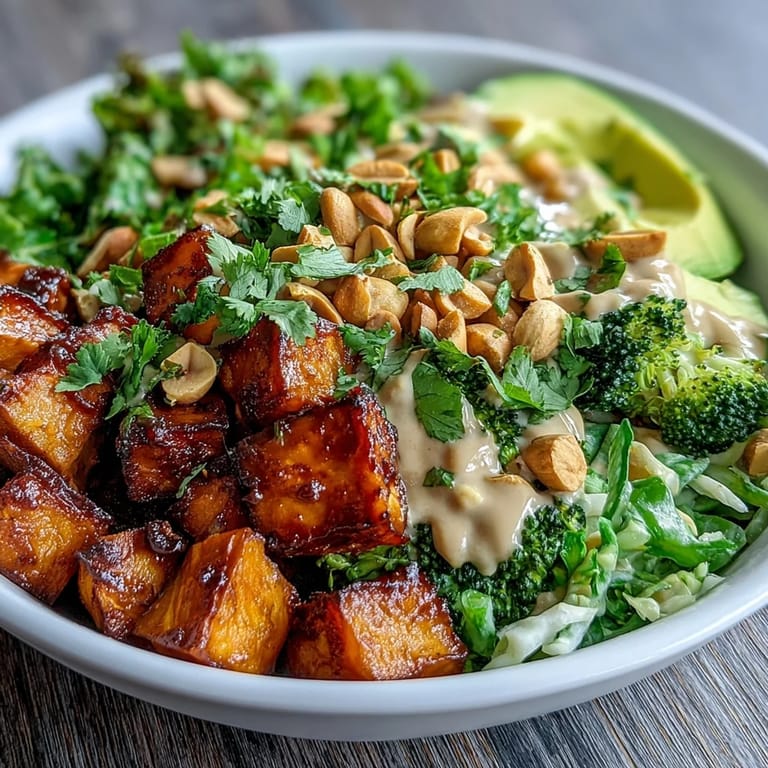
 The first time I made this peanut sauce, I stood over the bowl dipping everything in sight in it a carrot, a spoon, my finger. It is that kind of sauce the one that makes you reconsider whether you actually need the bowl or if the sauce alone might suffice.
My roommate walked in while I was photographing this bowl and immediately asked what smelled so incredible. That peanut sauce wafts through the kitchen like a promise. We ended up eating standing up at the counter, too impatient to bother with proper plates.
Ingredients
- Sweet potatoes: Pick ones that feel heavy for their size, they roast up sweeter and creamier
- Natural peanut butter: The kind you have to stir, not the shelf stable stuff trust me on this
- Fresh lime juice: Bottled cannot replicate the bright acid that cuts through the rich peanut
- Soy sauce or tamari: This is your salt source, so taste before adding more
- Maple syrup: Just enough to balance the salty without making it dessert sweet
- Sesame oil: A little goes a long way, but it adds that signature Thai background note
- Cilantro: Use both leaves and tender stems for maximum flavor
- Roasted peanuts: Chop them right before serving so they stay crunchy
Tired of Takeout? 🥡
Get 10 meals you can make faster than delivery arrives. Seriously.
One email. No spam. Unsubscribe anytime.
Instructions
- Roast the sweet potatoes:
- Cut them into even cubes so they all finish at the same time, and do not crowd the pan or they will steam instead of caramelize.
- Prep your vegetables:
- Slice everything while the potatoes roast so you are ready to assemble the moment they come out of the oven.
- Make the peanut sauce:
- Whisk until completely smooth, adding water one tablespoon at a time until it reaches the consistency of heavy cream.
- Build your bowls:
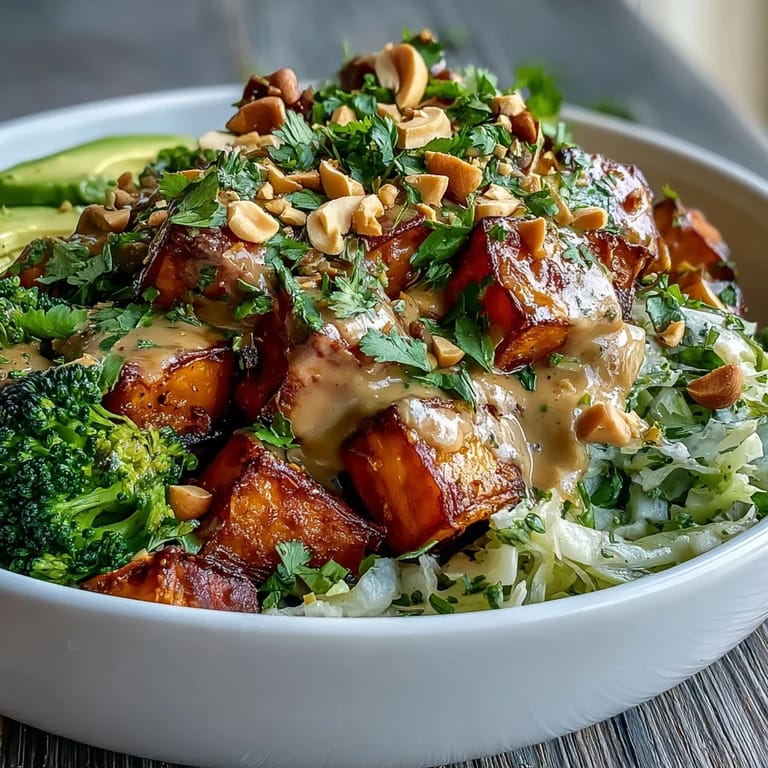
- Start with a base of raw vegetables, pile the hot potatoes on top, and finish with that sauce while everything is still warm.
 Save to Pinterest
 This became my go to meal when I want something that feels indulgent but is actually just vegetables covered in sauce. The way the creamy dressing clings to the roasted potatoes creates something impossibly satisfying.
Make It Your Own
I have topped this with baked tofu, edamame, and even a fried egg when I wanted extra protein. The formula is flexible as long as you keep that peanut sauce front and center.
Vegetable Swaps
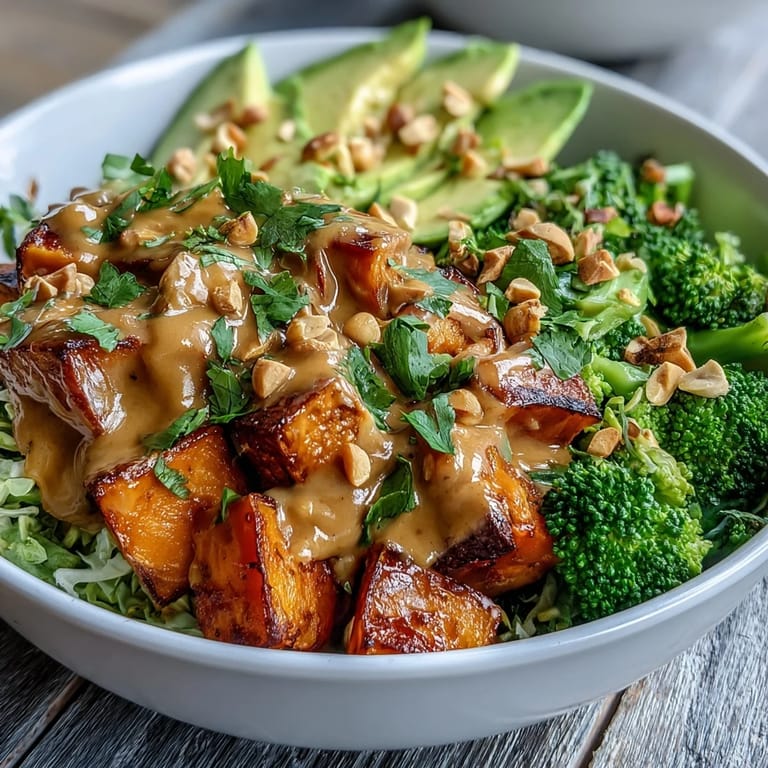
Red bell pepper adds sweetness, snap peas bring crunch, and thinly sliced cucumber offers a cool contrast to the warm potatoes. Use what looks best at the market.
Sauce Secrets
If you are not a peanut person, almond butter works beautifully too. A teaspoon of curry paste adds depth, and a clove of garlic minced into the sauce makes it feel even more restaurant worthy.
- Double the sauce recipe and keep it in a jar for quick lunches
- Massage your shredded cabbage with a little salt first to soften it
- Serve with extra lime wedges on the table
 Save to Pinterest
 Some meals nourish you, and some meals feel like a warm hug. This one manages to be both.
Recipe FAQs
- → Can I make this bowl gluten-free?
Yes, simply substitute regular soy sauce with tamari in the peanut sauce. Double-check all packaged ingredients to ensure they're certified gluten-free.
- → How long will the peanut sauce keep in the refrigerator?
The peanut sauce will stay fresh in an airtight container for up to one week. The sauce may thicken when chilled—simply whisk in a small amount of warm water before serving to reach the desired consistency.
- → What vegetables work best in this bowl?
Broccoli, cabbage, carrots, and avocado provide great texture and flavor variety. You can also add snap peas, bell peppers, cucumber, or shredded Brussels sprouts depending on what's in season or what you enjoy.
- → Can I add protein to make it more filling?
Absolutely. Baked tofu, edamame, chickpeas, or grilled tempeh are excellent plant-based additions. Shredded chicken or hard-boiled eggs also work well if you're not keeping it strictly vegan.
- → Is this bowl suitable for meal prep?
Yes, these bowls are ideal for meal prep. Store components separately—the roasted vegetables, fresh vegetables, and sauce in their own containers. Assemble just before eating to maintain the best texture and prevent sogginess.