 Save to Pinterest
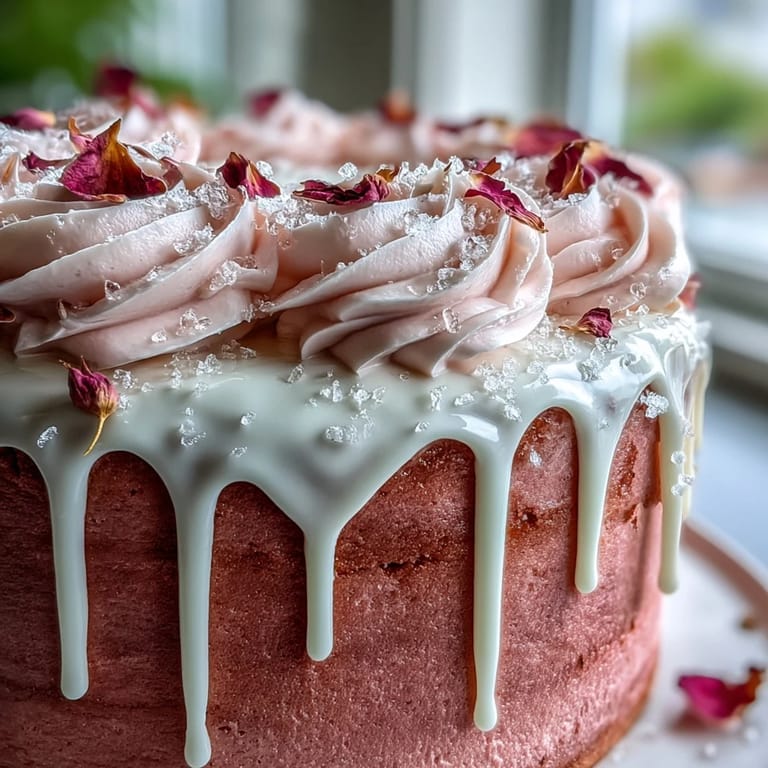
 Some afternoons in my kitchen are punctuated by bursts of laughter and the delicate pop of a wine cork—like the day my friend Ava and I set out to perfect a cake worthy of her sister’s bridal shower. The result was this Rosé Velvet Cake, its fragrant pink crumb practically glowing beneath a golden drip. There’s something mischievously charming about stirring rosé into batter, the scent swirling up and letting you know this is no ordinary dessert. Once, I splashed a little too much wine in and watched the batter blush like a bashful bride, a happy accident that made everyone smile. Whenever I make this, I’m reminded how a little shimmer and celebration can transform the everyday into something luminous.
Last spring, the kitchen filled with chatter as we huddled over three cake pans, betting who could stir the smoothest pink batter. The speakers were playing Édith Piaf and my apron caught a little food coloring—a memory now stained into fabric and mind alike. Layering in buttercream, we took turns admiring (and critiquing) each other's technique, yet the result was a cake that carried laughter from prep into celebration. Even the small detail of painting those golden drips felt oddly ceremonial, almost like we were crowning the cake itself. When Ava’s sister saw the dessert table, her delighted laughter validated all the rosy, gilded effort.
Ingredients
- All-purpose flour: Sift thoroughly for a reliable crumb—clumps can sabotage the cake's delicate texture.
- Granulated sugar: Strikes the perfect balance between sweet and light; don’t be tempted to reduce it for this celebration cake.
- Baking soda: Just a teaspoon is enough to keep the layers lofty without over-inflating the rise.
- Fine salt: That half-teaspoon sharpens each flavor, making the sweetness and wine unmistakable.
- Unsweetened cocoa powder: A tablespoon gives depth and that subtle velvet color, but too much will cloak the rosé notes.
- Vegetable oil: This is your secret to plush, never-dry crumbs—skip the butter for once.
- Eggs: Room temperature eggs blend effortlessly, ensuring a uniform, tender cake.
- Buttermilk: Adds tang and softness; if you’re out, a quick mix of milk and lemon juice does the trick.
- Rosé wine: Dry or sparkling works best; steer clear of anything too sweet to keep the cake sophisticated.
- Vanilla extract: Don’t skimp—it’s the anchor for all those delicate top notes.
- White vinegar: Unusual, but essential for activating the baking soda and signature velvet crumb.
- Pink or rose gel food coloring: Use gel, not liquid, to control vibrancy without thinning your batter.
- Unsalted butter: Let it sit out until yieldingly soft for an airy, melt-in-the-mouth buttercream.
- Powdered sugar: Sift well to avoid lumps—no shortcuts here if you want a silky finish.
- Rosé wine (for buttercream): Just enough to echo the flavors—taste as you go.
- Heavy cream: Enriches the white chocolate for the gold drip, giving that perfect pouring consistency.
- White chocolate chips: Look for high-quality without waxy fillers; it matters to the final gloss.
- Edible gold luster dust: Always confirm it's food-safe—do not substitute with crafting glitter.
- Vodka or clear lemon extract: Helps the luster dust become a paint; vodka evaporates quickly for a dry finish.
Tired of Takeout? 🥡
Get 10 meals you can make faster than delivery arrives. Seriously.
One email. No spam. Unsubscribe anytime.
Instructions
- Prep your pans:
- Heat the oven and lay parchment circles into three greased pans—nothing says celebration like a precise release.
- Combine dry ingredients:
- Sift flour, sugar, baking soda, salt, and cocoa right into a large bowl, admiring the cloud of cocoa that escapes as you tap the sieve.
- Mix wet ingredients:
- Whisk oil, eggs, buttermilk, rosé, vinegar, and vanilla together; watch the yolks and wine shimmer as they combine.
- Bring it together:
- Pour the wet into the dry mixture, then add food coloring bit by bit until the batter is as rosy as a spring bloom—don’t overmix.
- Bake the layers:
- Divide the lush batter evenly and bake until domed and fragrant; a gentle press to the top should leave just a faint trace.
- Cool down:
- After resting in their pans, transfer cakes to a rack—resist the urge to decorate before they’re completely cool.
- Make the buttercream:
- Cream softened butter, then add in powdered sugar, rosé, vanilla, and salt until the frosting is pale and fluffy like clouds at dusk.
- Frost and layer:
- Stack, fill, crumb coat; chill for 20 minutes to lock crumbs in place, then finish with a sweep of buttercream for the smoothest surface.
- Gold drip magic:
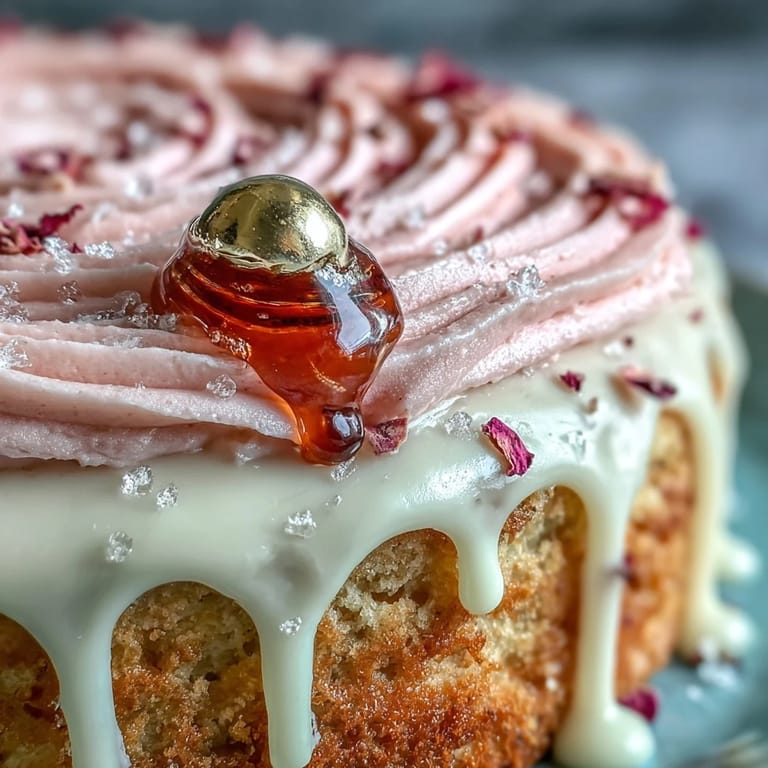
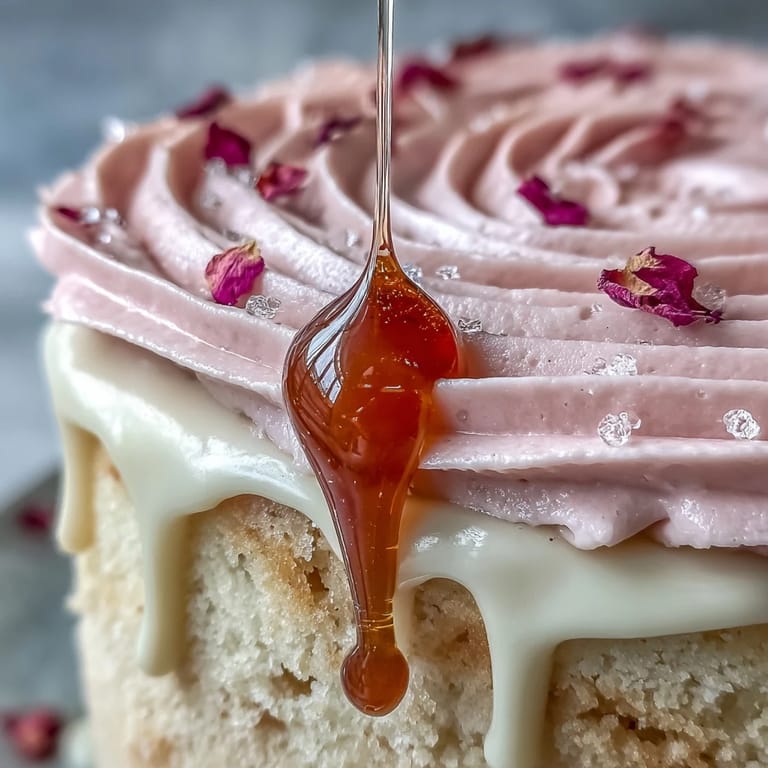
- Melt white chocolate with cream, cool slightly, pour around the edge for drips, then paint each drip with edible gold—don't rush, this is the fun part.
- Finishing touches:
- Add extra gold accents, edible petals, or fresh berries as your heart pleases; stand back and admire your artwork before slicing.
 Save to Pinterest
 Watching the bride-to-be’s face light up, cake fork in hand, I realized this wasn’t just a dessert but a backdrop to laughter, storytelling, and new memories. Each slice opened another round of jokes and impromptu toasts, proof that this cake brings out more than just a sweet tooth.
What No One Tells You About Cake Decorating
It’s almost inevitable: the first time you try to get that perfectly smooth buttercream finish, you’ll end up with a few fingerprints or a slightly crooked side. Don’t sweat it—embrace the small imperfections as part of your cake’s character. Having an offset spatula handy (and dipping it in hot water before smoothing) is my go-to rescue trick. Even the wobbliest gold drips look intentional once the cake is set on a pretty platter. Decorating, it turns out, is as much about confidence as it is about technique.
Choosing the Right Rosé for Baking
I never realized just how much the wine you pick could subtly shift the cake's flavor until I experimented a few times—one uses a fruity rosé, another a crisp, floral note. Lighter, drier wines keep the cake from tipping too sweet, but a touch of effervescence adds a playful quality. Oddly, leftovers from a fancy bottle work just as well as something more affordable, so don’t be afraid to use what’s on hand. The most important part is that you’d happily sip it yourself. If you wouldn’t drink it, don’t bake it.
Handling Edible Gold and Last-Minute Fixes
Getting that gold just right takes a little patience—dip your food-safe brush lightly and build up color in thin layers, rather than rushing. If your drip sets unevenly, a gentle nudge with a warm spoon can fix it before you paint. Never stress about small mistakes, as a few strategically placed petals or berries can rescue any rough edge.
- Always taste your buttercream before final frosting—add a pinch of salt or splash of rosé as needed.
- If the white chocolate drip seizes, whisk in a drizzle of cream to bring it back.
- Chill your cake before the gold drip for the cleanest finish.
 Save to Pinterest
 This Rosé Velvet Cake is more than just a showstopper—it’s an excuse to gather, toast, and create a little extra sparkle. Whatever the occasion, don’t forget to sneak a forkful for yourself before sharing the masterpiece.
Recipe FAQs
- → Can I use sparkling rosé or should it be still?
Either works; a dry or sparkling rosé adds a subtle floral note. Use what you enjoy drinking and reduce added liquid elsewhere if the wine is very effervescent.
- → How do I ensure a stable buttercream with rosé added?
Add rosé gradually and beat until fluffy. If the buttercream becomes too loose, sift in more powdered sugar; if too stiff, add teaspoon amounts of rosé until desired spreadable consistency is reached.
- → How do I get consistent gold drips without running?
Cool melted white chocolate until slightly thickened but still pourable. Test drip on a chilled edge and pour slowly. Chill the cake briefly after drips set, then paint with edible gold luster mixed with a small amount of vodka or clear extract.
- → Any tips for achieving an even pink hue?
Use gel food coloring for concentrated, even color. Add a little at a time to the batter until you reach the desired rosy shade; gel avoids thinning the batter like liquid colorings can.
- → How far ahead can this be made and stored?
You can bake layers a day ahead and refrigerate well wrapped. Assemble and decorate the next day; bring to room temperature before serving to revive texture and flavor.
- → Can I omit alcohol for a non‑alcoholic version?
Yes—substitute the rosé with an equal amount of diluted white grape juice or a rose syrup diluted with water to maintain flavor without alcohol.