 Save to Pinterest
 My kitchen smelled like a Sicilian market the first time I roasted chicken this way—all that bright citrus cutting through the deep savory herbs while the vegetables below turned golden and sweet. A friend had mentioned offhandedly that orange and rosemary belonged together, and I'd been skeptical until that moment the oven door swung open and proved her right. Now whenever someone asks what I'm making for dinner, this is the dish that comes to mind first.
I made this for my partner's parents without warning, just threw it together on a whim one November evening, and watched their faces light up when I pulled it from the oven. The way the orange scent had filled the entire house for over an hour had them practically floating into the dining room. That meal turned into a three-hour conversation around the table, which honestly felt like the real victory.
Ingredients
- 1 whole chicken (about 1.5 kg / 3.3 lbs), giblets removed: Use a bird that's been sitting at room temperature for a bit—it cooks more evenly and the skin crisps better, trust me on this.
- 2 oranges (zested and juiced): The zest carries more punch than the juice alone, so don't skip that step, and pick oranges that feel heavy for their size.
- 3 tbsp olive oil: Good quality makes a noticeable difference here since it's going right on the skin and into every bite.
- 4 garlic cloves, minced: Fresh garlic transforms once it roasts, becoming sweet and mellow rather than sharp.
- 2 tbsp fresh rosemary, chopped: Dried works in a pinch but fresh gives you that resinous brightness that makes this dish sing.
- 1 tbsp fresh thyme leaves: Strip these from the stems or you'll be finding woody bits in your teeth all evening.
- 1 tbsp fresh parsley, chopped: This adds a fresh undertone that keeps everything from feeling too heavy.
- 1 tsp salt and ½ tsp black pepper: Season generously—the vegetables will absorb a lot of this as they cook.
- 3 medium carrots, peeled and cut into 2-inch pieces: Cut them roughly uniform so they finish cooking at the same time as the chicken.
- 2 parsnips, peeled and cut into 2-inch pieces: These get almost candied in the pan drippings, becoming your favorite part if you're not careful.
- 2 medium potatoes, cut into chunks: Red potatoes work great if you want to keep the skin on for extra texture.
- 1 large red onion, cut into wedges: The natural sugars caramelize beautifully, and the color stays vibrant through cooking.
- 1 small sweet potato, peeled and cut into chunks: This brings a subtle sweetness that complements the orange without being obvious about it.
Tired of Takeout? 🥡
Get 10 meals you can make faster than delivery arrives. Seriously.
One email. No spam. Unsubscribe anytime.
Instructions
- Get your oven ready:
- Preheat to 400°F (200°C) and let it come all the way up while you prep—a properly heated oven is what gives you that golden, crispy skin.
- Build the marinade:
- Combine the orange zest and juice with olive oil, minced garlic, rosemary, thyme, parsley, salt, and pepper in a small bowl, stirring until everything is well distributed and fragrant. You'll use half for the chicken and half for the vegetables, so don't skimp on any ingredient.
- Prepare the chicken:
- Pat your chicken completely dry with paper towels—this is non-negotiable if you want crispy skin. Rub half the marinade all over the bird, getting your fingers under the skin on the breasts and thighs where the sauce can really do its work, then toss some orange peels and herb sprigs into the cavity if you're feeling fancy.
- Coat the vegetables:
- Toss all your cut carrots, parsnips, potatoes, red onion, and sweet potato with the remaining marinade in your roasting pan, then spread them out in a single layer. They're going to create a flavorful bed for the chicken and catch all those precious drippings.
- Position and roast:
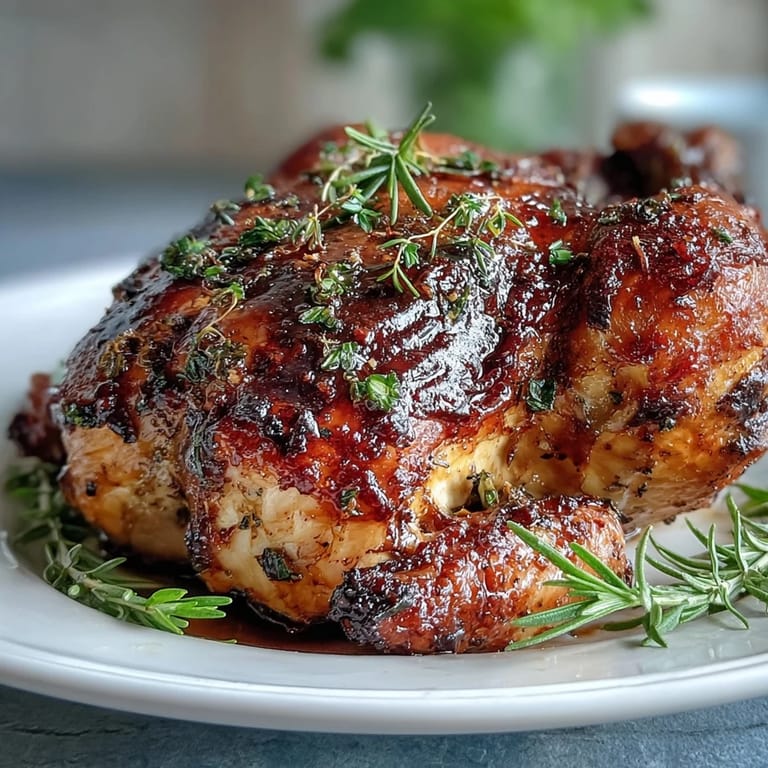
- Place the chicken breast-side up right on top of the vegetable bed and slide everything into the oven for 1 hour and 20 minutes. Halfway through, use a basting brush or spoon to brush the pan juices back over the chicken—this step keeps the breast meat moist and builds incredible flavor.
- Check for doneness:
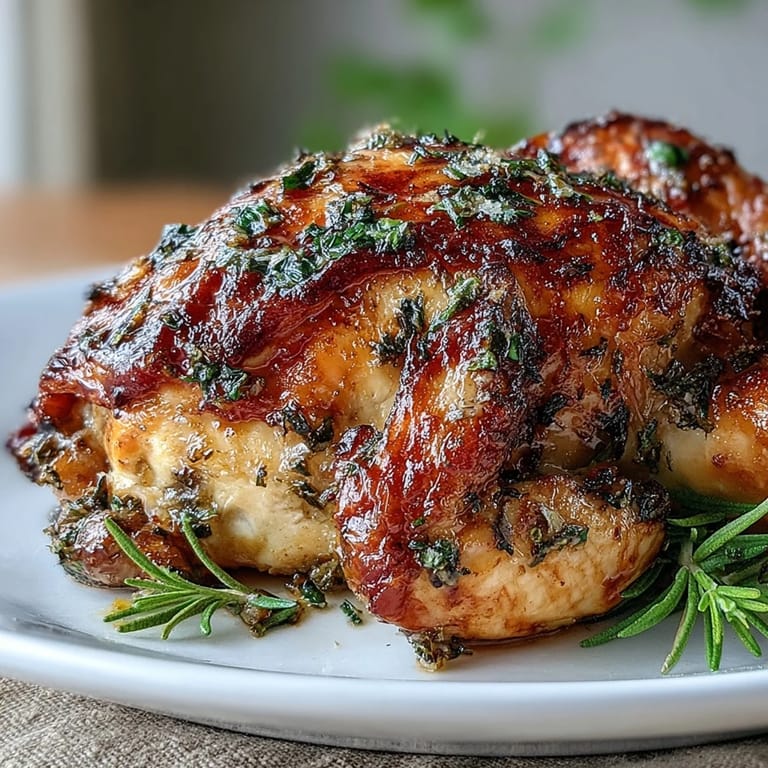
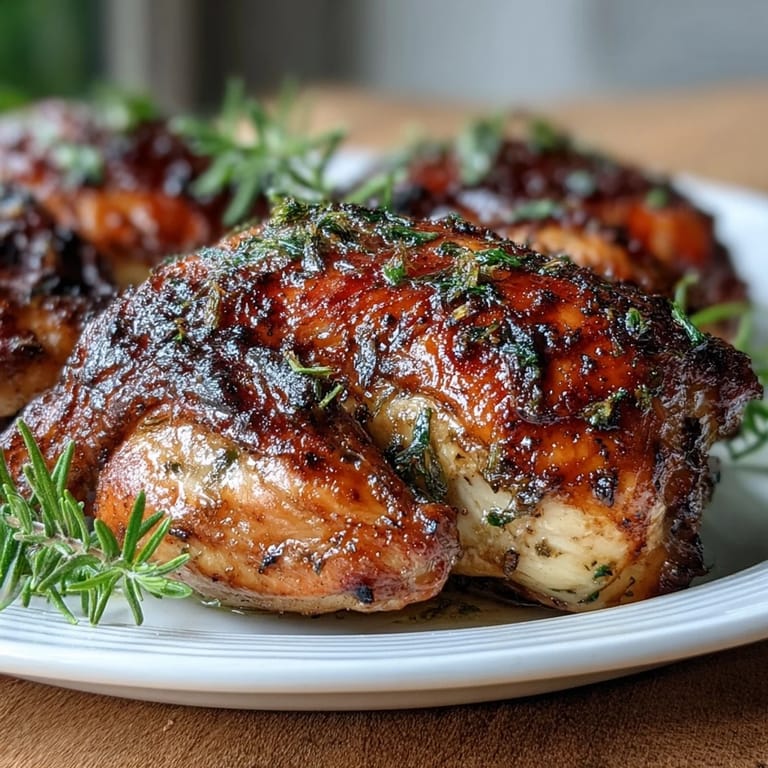
- The skin should be deep golden brown and a meat thermometer inserted into the thickest part of the thigh should read 165°F (74°C). If the vegetables look like they're browning too fast, tent the pan loosely with foil for the second half of cooking.
- Rest and serve:
- Pull everything from the oven and loosely tent the whole pan with foil, letting it rest for 10 minutes so the juices redistribute through the meat. Carve the chicken, arrange it on a platter with the roasted vegetables, and if you want to be fancy about it, garnish with fresh herb sprigs and thin orange slices.
 Save to Pinterest
 There's something about the combination of orange and rosemary that made this dish become my go-to when I wanted to feel like I actually knew what I was doing in the kitchen. It's one of those meals that transforms an ordinary night into something that feels intentional and gathered, the kind of thing people remember asking for again.
The Magic of Citrus in Roasting
I used to think lemon was the only citrus that belonged with roasted chicken, but orange brings something entirely different to the table. It's sweeter, rounder, and it plays beautifully with herbs like rosemary that can sometimes feel one-note on their own. The zest is what does most of the heavy lifting here—those little flecks of oil carry flavor in a way juice alone never could, and they also help create that gorgeous golden-brown exterior.
Why These Root Vegetables
I chose this particular combination because they all roast at roughly the same speed and soak up flavors differently depending on their density. Carrots and parsnips get almost sticky with caramelization, potatoes become creamy inside with slightly crisp edges, and sweet potato adds this subtle earthiness that surprises people. The red onion is there to break up the monotony with color and a bit of sharpness that brightens everything up.
Making It Your Own
The beauty of this dish is how forgiving it is once you understand the basic template. I've made it with turnips instead of parsnips when that's what I had on hand, and once I added a tablespoon of honey to the marinade which pushed everything toward a silkier, almost glazed finish. Don't be afraid to taste the marinade before you use it and adjust the seasoning—your palate is the best guide you have.
- Swap out any root vegetable based on what's looking good at the market or what you have lurking in the back of your fridge.
- A splash of white wine in the pan drippings at the end creates a quick pan sauce if you're feeling ambitious.
- Leftover chicken shreds beautifully into salads or sandwiches, and those vegetables are even better the next day when the flavors have had time to settle.
 Save to Pinterest
 This is the kind of dish that teaches you something every time you make it, whether it's about timing or seasoning or just the simple pleasure of filling your kitchen with good smells. Make it once and you'll find yourself reaching for it again when you want to impress people or just take care of yourself with something genuine and nourishing.
Recipe FAQs
- → How do I ensure the chicken stays juicy?
Pat the chicken dry before marinating and rub the marinade under the skin to infuse moisture. Letting the chicken rest after roasting allows juices to redistribute evenly.
- → What root vegetables work best with this dish?
Carrots, parsnips, potatoes, onions, and sweet potatoes complement the orange herb flavors and caramelize nicely during roasting.
- → Can I substitute any herbs in the marinade?
Rosemary, thyme, and parsley create a balanced flavor, but alternatives like sage or oregano can be used depending on preference.
- → How do I check if the chicken is cooked through?
Use a meat thermometer inserted into the thickest part of the thigh; it should read 165°F (74°C) for safe consumption.
- → Any tips for enhancing the flavor?
Adding a tablespoon of honey to the marinade adds subtle sweetness that pairs well with the citrus and herbs.