 Save to Pinterest
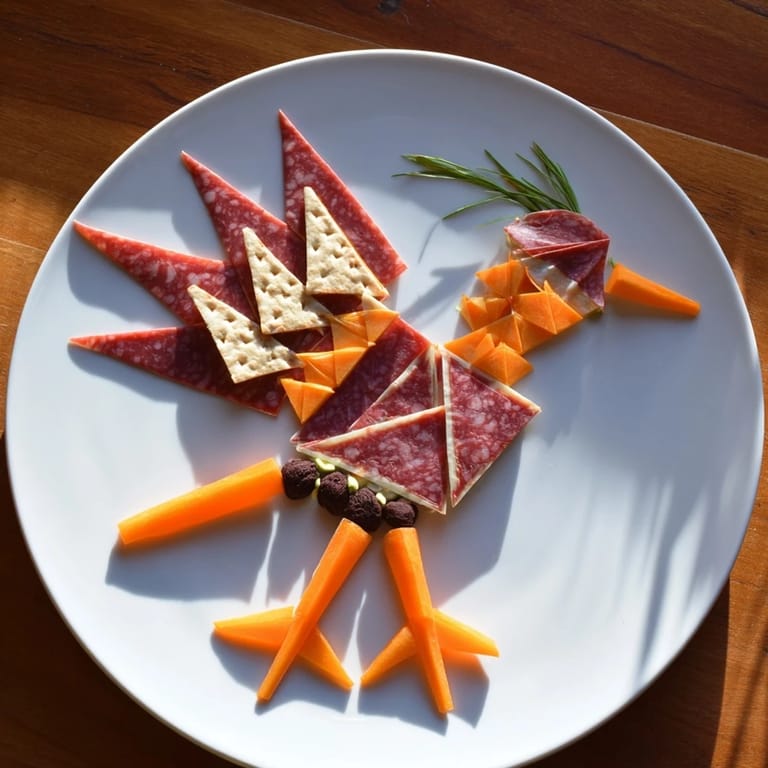
 The first time I arranged cured meats into something that actually looked like it was flying, I couldn't believe how a few folds and some crackers could transform a platter into art. My friend Sarah had challenged me to make something "Instagram-worthy but still delicious," and this crane just emerged from playing with prosciutto and triangular crackers one quiet evening. There's something magical about edible origami, especially when you realize your guests will hesitate before eating because the presentation is just too beautiful. That moment of watching someone choose between admiring and devouring is exactly why I keep coming back to this dish.
I made this for my cousin's dinner party right after she'd been stressed about hosting, and watching her face light up when I set the platter down made everything click. She didn't expect something so refined and playful at the same time, and somehow the crane became the conversation starter that broke the ice for everyone. It turned out one guest was a origami artist, and they spent half the appetizer course gently examining the folds and meat layers like it was a masterpiece. That's when I realized this dish bridges the gap between craft and cuisine in a way that rarely happens in the kitchen.
Ingredients
- Prosciutto, thinly sliced (100 g): This is your main structural element, so ask the butcher to slice it paper-thin or buy it pre-sliced and it'll fold like silk without tearing.
- Smoked turkey breast, thinly sliced (100 g): A lighter counterpoint to the prosciutto's richness, and the subtle smokiness adds complexity that elevates the whole arrangement.
- Bresaola or pastrami, thinly sliced (80 g): The deep color and intense flavor of these make perfect wings that catch the eye and taste incredible.
- Triangular whole-grain crackers (16 pieces, about 5 cm each side): Whole grain adds nutty texture and keeps the platter from feeling too precious or delicate.
- Black sesame or poppy seed crackers, triangular (8 pieces): These darker crackers become the contrast points that define the crane's silhouette.
- Fresh chives (1 small bunch): Their delicate length is perfect for tail feathers, and they add a whisper of onion flavor that grounds all the richness.
- Carrot, peeled (1 small one): Sliced thin on a mandoline or peeler, these become the beak and legs while adding sweetness and a subtle earthiness.
- Cream cheese (2 tbsp): This is your adhesive, so use it sparingly as the glue between elements.
- Black sesame seeds (1 tbsp): They catch light beautifully and create the eye, plus they taste slightly nuttier than you'd expect.
Tired of Takeout? 🥡
Get 10 meals you can make faster than delivery arrives. Seriously.
One email. No spam. Unsubscribe anytime.
Instructions
- Slice the carrot into its finest self:
- Use a vegetable peeler or mandoline to create thin ribbons so delicate they're almost translucent. Cut a few into narrow strips for the beak and legs, and set them aside because they're fragile and precious.
- Fold your first meat layer into the crane's body:
- Take slices of prosciutto and turkey and fold them into sharp triangles, layering them slightly to build dimension and suggest the rounded belly of a crane. Think origami, but edible.
- Create wings with drama and depth:
- Fold bresaola or pastrami into triangles and fan them upward in layers so they look like they're catching wind. The darker color makes them pop against the lighter meats.
- Anchor everything with crackers:
- Place the triangular crackers beneath and around your meat structure, using them as the foundation and outline that makes the crane silhouette clear from every angle.
- Attach the carrot beak and legs with cream cheese:
- Use small dabs of cream cheese like edible glue to position your carrot strips, and work gently because they're delicate and will tear if you're rushed.
- Add seeds for the eye and texture:
- Sprinkle black sesame seeds where the eye would naturally sit and scatter a few across the wings to create movement and catch light.
- Use chives for the tail feathers:
- Arrange thin chive strands along the tail and wing edges to soften the geometric folds and suggest feathers in motion.
- Chill or serve immediately:
- This dish is best served right after assembly when every element is crisp and fresh, but you can cover it loosely and refrigerate for up to an hour if needed.
 Save to Pinterest
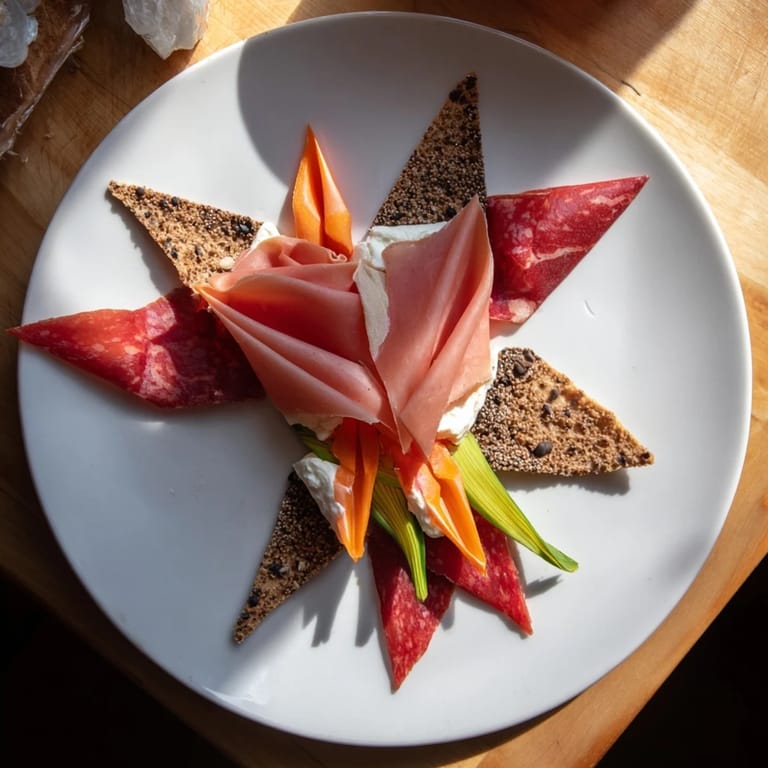
 There was a moment at that dinner party when my cousin's five-year-old daughter asked if the crane was real before she ate it, and her mom laughed so hard she cried. That innocent question somehow captured exactly what this dish is meant to do, blur the line between beauty and sustenance in a way that makes people smile before they even taste anything. That's when I knew this wasn't just an appetizer, it was a memory maker.
The Art of Meat Folding
I've learned that cured meats fold best when they're at room temperature for just five minutes before you work with them. Cold, they crack and tear, but room temperature makes them pliable without becoming greasy or limp. The key is understanding that you're not fighting the meat's natural texture, you're working with it, and once you feel that sweet spot you'll never struggle with it again. Think of it like learning the exact angle to hold a knife or how long to hold heat, it's a small skill that makes everything easier.
Building Your Crane with Confidence
Start from the center of your platter and work outward, because it's easier to build something balanced when you establish the body first and let the wings follow. I used to try to assemble everything at once and ended up with a chaotic pile, but now I treat it like a narrative where each element supports the next one. The crackers are your guide rails, the meats are your sculpture, and the garnishes are your final brushstrokes. Take your time, step back between additions to see what's working, and remember that perfection isn't the goal, intentionality is.
Making It Your Own
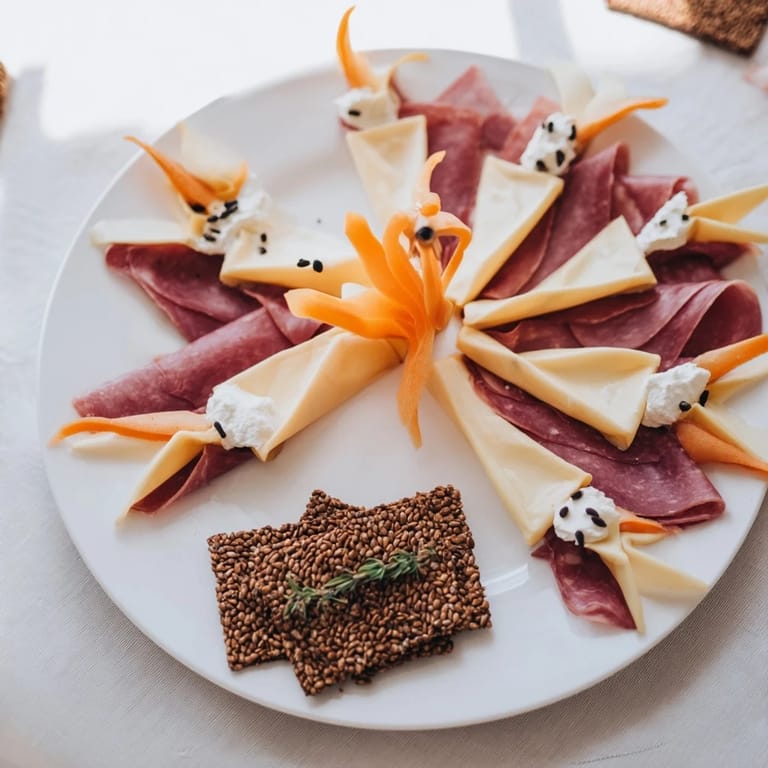
The beauty of this dish is that it's a framework, not a rigid rule, so feel free to adapt based on what speaks to you and what's available at your market. I've made versions with smoked salmon that looked ethereal, and a vegetarian one with beet slices for the wings that was almost as striking as the original. The crane shape is forgiving enough to accommodate substitutions while still reading as intentional and thoughtful.
- Try flavored crackers like rosemary or black pepper to add another layer of taste without changing the visual impact.
- Substitute smoked salmon, tofu slices, or even thinly shaved vegetables if you're working around allergies or dietary preferences.
- Pair it with a crisp Sauvignon Blanc or sparkling water with lemon to keep everything light and refreshing.
 Save to Pinterest
 This dish reminds me that the most memorable meals aren't always about complexity or hours in the kitchen, they're about intention and the moment you create when you put something beautiful in front of people you care about. Every time I make it, I'm reminded that cooking is as much about joy as it is about flavor.
Recipe FAQs
- → How do you create the crane shape using cured meats?
Fold thin slices of prosciutto, turkey, and bresaola into sharp triangular shapes and layer them to build the body and wings, mimicking a crane’s silhouette.
- → What crackers work best for this appetizer?
Triangular whole-grain crackers provide structure and contrast, with black sesame or poppy seed varieties adding texture and visual appeal.
- → Can this appetizer be prepared in advance?
Yes, cover loosely and refrigerate for up to 1 hour before serving to maintain freshness and presentation.
- → Are there vegetarian alternatives for the cured meats?
Smoked salmon or thin tofu slices can substitute for cured meats to accommodate pescatarian or vegetarian preferences.
- → What garnishes enhance the overall look and flavor?
Thin carrot strips, cream cheese, chives, and black sesame seeds add visual detail and subtle flavor, completing the crane motif beautifully.