 Save to Pinterest
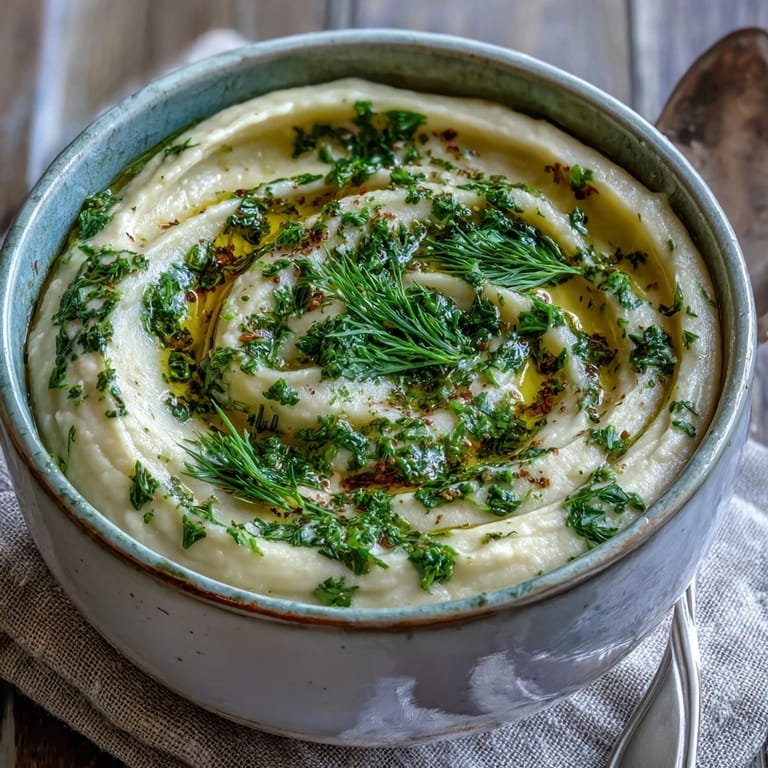
 I used to think parsnips were just pale carrots until a rainy afternoon in a drafty kitchen changed my mind. My friend shoved a roasted piece into my hand and the caramel sweetness was a revelation. Now whenever the wind starts rattling the windowpanes I reach for the peeler. This soup is my way of bottling that cozy sun drenched warmth. It turns a humble root into something remarkably elegant.
Last November I made a double batch of this for a gathering where everyone arrived soaking wet and shivering. The sound of spoons hitting ceramic bowls was the only noise for several minutes as the herbs started to fill the room. I noticed how the dill specifically caught people by surprise adding a bright lift to the earthy base. It is the kind of meal that encourages people to linger at the table long after the last drop is gone.
Ingredients
- 800 g parsnips: Choosing smaller ones ensures they are not woody or tough in the center.
- 1 medium onion: This provides the foundational savory note that balances the sweet roots.
- 2 garlic cloves: Roasting them whole in their skins prevents bitterness and adds a mellow depth.
- 1 medium potato: A single diced potato acts as a natural thickener for that perfect velvety texture.
- 1 L vegetable stock: Use a high quality version to ensure the base has plenty of character.
- 200 ml whole milk: This rounds out the edges and gives the soup a beautiful pale color.
- 2 tbsp olive oil: It helps the vegetables caramelize properly in the hot oven.
- 1 bay leaf: One leaf adds a subtle floral backdrop that ties the herbs together.
- 1 tsp fresh thyme: Fresh leaves offer a woodsy aroma that complements the roasted parsnips.
- 0.5 tsp white pepper: I prefer this over black pepper to keep the soup looking pristine.
- Fresh parsley and chives: These add a necessary punch of green freshness at the very end.
- Fresh dill: Do not skip this if you can help it because it adds a unique citrusy sparkle.
Tired of Takeout? 🥡
Get 10 meals you can make faster than delivery arrives. Seriously.
One email. No spam. Unsubscribe anytime.
Instructions
- Roast the roots:
- Toss your parsnips onion and garlic in oil before letting the oven work its magic. Watch for those golden brown edges which signal deep flavor is developing.
- Simmer the base:
- Combine the roasted gems with potato and stock to let everything mingle and soften. The smell of the bay leaf dancing with the thyme will fill your kitchen beautifully.
- Blend to velvet:
- Remove the bay leaf before using an immersion blender to create a silky smooth texture. You want it to look like poured satin before you stop blending.
- Finish with richness:
- Stir in the milk and those vibrant chopped herbs to bring the soup back to life. Keep the heat low so the delicate herbs maintain their bright color and punchy flavor.
 Save to Pinterest
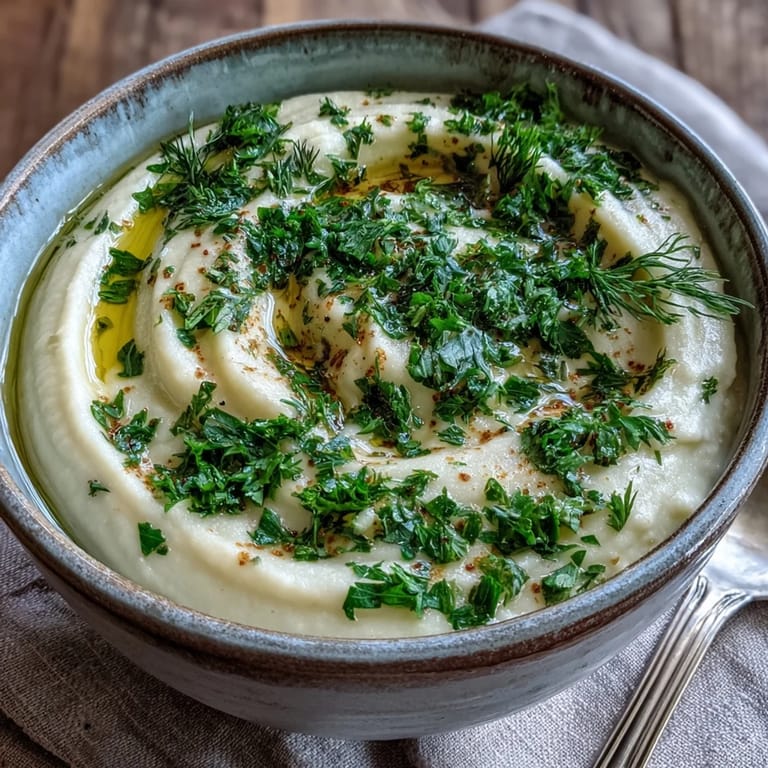
 I remember my toddler standing on a stool helping me shower the herbs into the pot. The kitchen smelled like a summer garden in the middle of a grey winter day.
The Magic of the Roast
Boiling parsnips can sometimes lead to a one dimensional flavor that feels a bit flat. By roasting them first you are initiating the Maillard reaction which transforms starches into complex sugars. I often find myself snacking on the little charred bits straight off the tray. It makes the final soup taste like it has been simmering for hours instead of minutes.
Choosing Your Greenery
While the recipe calls for a specific mix the herb garden is your playground here. I once ran out of chives and used scallion tops which added a surprising but welcome bite. The key is to add them at the very last second so they stay punchy. It turns a heavy winter dish into something that feels light and energetic.
Serving and Storing
This soup actually tastes even better the next day after the flavors have had time to get acquainted. If it thickens too much in the fridge just a splash of extra stock or water brings it back. I love serving this with a side of sourdough that has been slathered in salted butter.
- Warm your bowls in a low oven to keep the soup hot for longer.
- A tiny pinch of nutmeg added at the end creates an extra layer of mystery.
- Store any leftovers in an airtight container for up to three days.
 Save to Pinterest
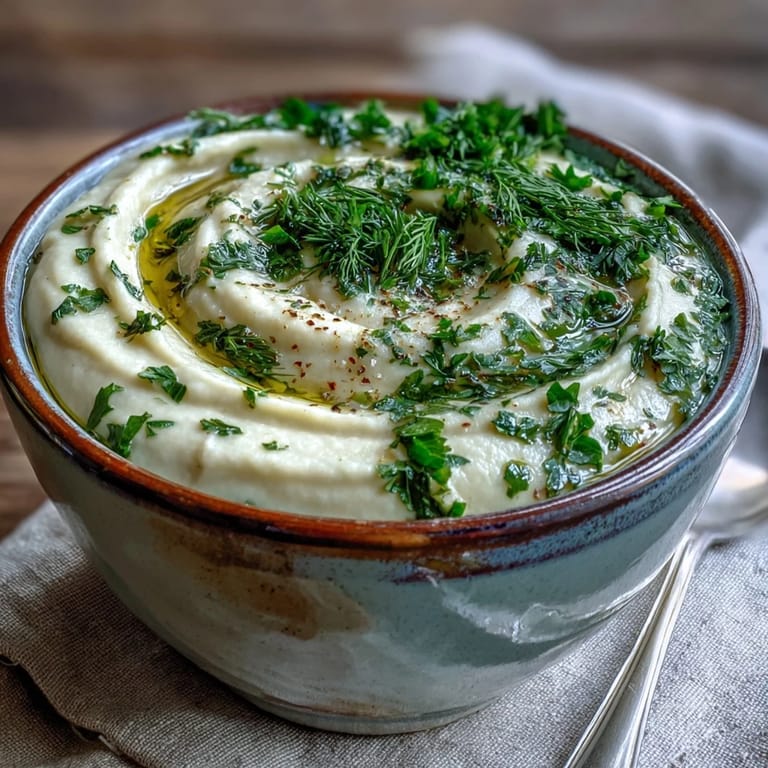
 This bowl is a warm hug on a cold day that proves simple roots can be stars. I hope it brings as much light to your kitchen as it does to mine.
Recipe FAQs
- → Can I make this soup ahead of time?
Yes, this soup keeps well in the refrigerator for up to 3 days. The flavors actually develop and improve overnight. Reheat gently over medium-low heat, stirring occasionally to prevent separation.
- → What's the purpose of adding potato?
The potato acts as a natural thickener, giving the soup body and creaminess without needing heavy cream. It also helps balance the sweetness of the parsnips with its mild, earthy flavor.
- → Can I freeze this soup?
Absolutely. Cool completely before transferring to airtight containers or freezer bags. It will freeze well for up to 3 months. Thaw overnight in the refrigerator and reheat gently, adding a splash more liquid if needed.
- → Why roast the vegetables first?
Roasting caramelizes the natural sugars in parsnips and onions, creating deeper, sweeter flavors compared to raw boiling. This extra step transforms an ordinary soup into something truly special and restaurant-quality.
- → What herbs work best in this soup?
Parsley and chives provide essential freshness, while dill adds a lovely aromatic note. Thyme works beautifully during cooking as it complements parsnips' earthy sweetness. Feel free to adjust based on what you have available.
- → How do I get the smoothest texture?
Blend thoroughly in batches using a countertop blender or use an immersion blender directly in the pot. For restaurant-quality results, pass the blended soup through a fine-mesh sieve to remove any remaining fibers.