 Save to Pinterest
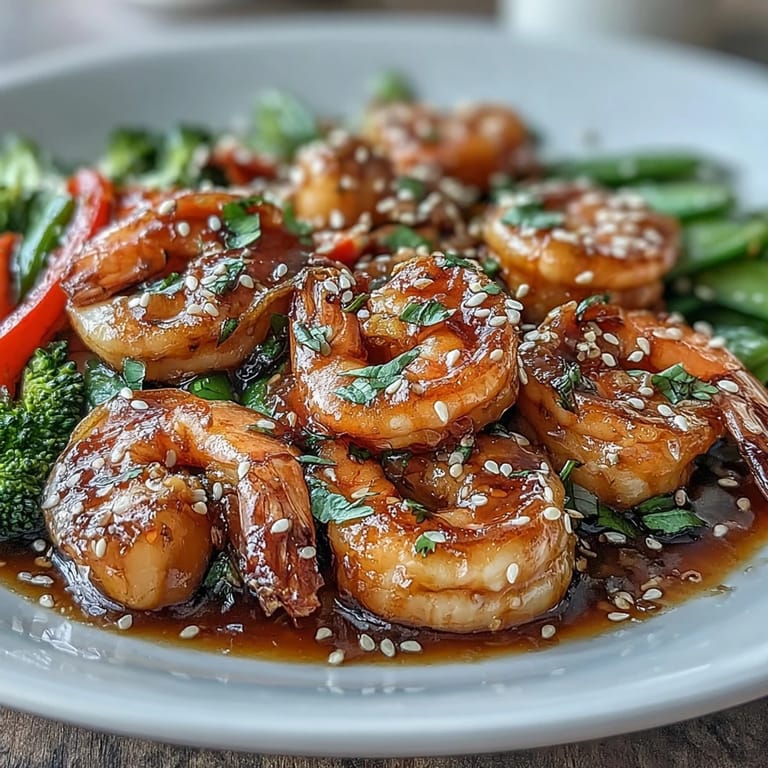
 My neighbor knocked on my door at 5:45 pm asking if I had dinner plans, and when I said no, she challenged me to make something impressive in under thirty minutes. That's when I remembered this shrimp stir-fry, the kind that looks fancy enough to impress but comes together so fast you barely break a sweat. The kitchen fills with that incredible ginger-garlic perfume within minutes, and suddenly you're plating something that tastes like you spent hours planning it. She's been asking me to make it ever since.
There was an afternoon when my son came home talking about trying stir-fry at a friend's house, and he wanted to help me make it ourselves. Watching him carefully slice the bell peppers with that intense focus kids have, then taste the sauce before we cooked it and declare it perfect, reminded me that the best meals aren't about impressing anyone—they're about the small moments of collaboration in your own kitchen.
Ingredients
- Large shrimp, peeled and deveined (1 lb): Get them as fresh as possible and pat them completely dry before cooking, because moisture is what prevents a proper sear and gives you that slightly rubbery texture.
- Red and yellow bell peppers: The color matters here not just for looks but because you're eating with your eyes first, and slicing them roughly the same size ensures they cook evenly.
- Broccoli florets: Cut them smaller than you think you should so they cook through in the quick heat without turning mushy.
- Carrot: Julienning takes an extra minute but catches the sauce beautifully and feels elegant on the plate.
- Sugar snap peas: Leave them whole or halve them depending on your mood, but keep them in because they stay snappy and add sweetness that rounds out the savory sauce.
- Green onions: Some go into the stir-fry at the end for warmth, but save some raw ones for garnish because that fresh bite changes everything.
- Soy sauce, oyster sauce, sesame oil, honey, rice vinegar: This is your flavor foundation, and balancing them beforehand means you're not tasting and adjusting over heat while shrimp cooks.
- Cornstarch and water: These create that glossy, clinging sauce that actually coats your rice instead of pooling at the bottom.
- Vegetable oil: High heat needs an oil that won't smoke, so canola or peanut keeps things safe and clean.
- Garlic and ginger: Mince the garlic fine and grate the ginger so it distributes evenly, because uneven pieces mean some bites are too strong.
Tired of Takeout? 🥡
Get 10 meals you can make faster than delivery arrives. Seriously.
One email. No spam. Unsubscribe anytime.
Instructions
- Make your sauce first:
- Whisk the soy sauce, oyster sauce, sesame oil, honey, rice vinegar, cornstarch, and water together in a small bowl. Having this ready means you're not fumbling with bottles while everything's cooking at high heat, and the cornstarch has time to hydrate so it thickens properly.
- Dry and season the shrimp:
- Pat each shrimp with a paper towel until they're genuinely dry—this is the secret to getting them golden instead of steamed. A pinch of salt and pepper is all they need right now.
- Cook the shrimp first:
- Heat one tablespoon of oil in your largest skillet or wok over medium-high heat until it's shimmering and almost smoking. Add the shrimp in a single layer and leave them alone for a minute so they develop color, then stir for another minute or two until they turn pink and firm.
- Build your aromatics:
- Remove the shrimp to a plate and add the second tablespoon of oil to the pan. Immediately add the garlic and ginger and let them sizzle for just thirty seconds—any longer and they turn bitter.
- Cook the vegetables:
- Add the bell peppers, broccoli, carrot, and snap peas all at once and keep the heat high, stirring constantly. After about three to five minutes, the peppers should be starting to soften at the edges while the centers stay firm, and the carrot should be almost tender.
- Bring it all together:
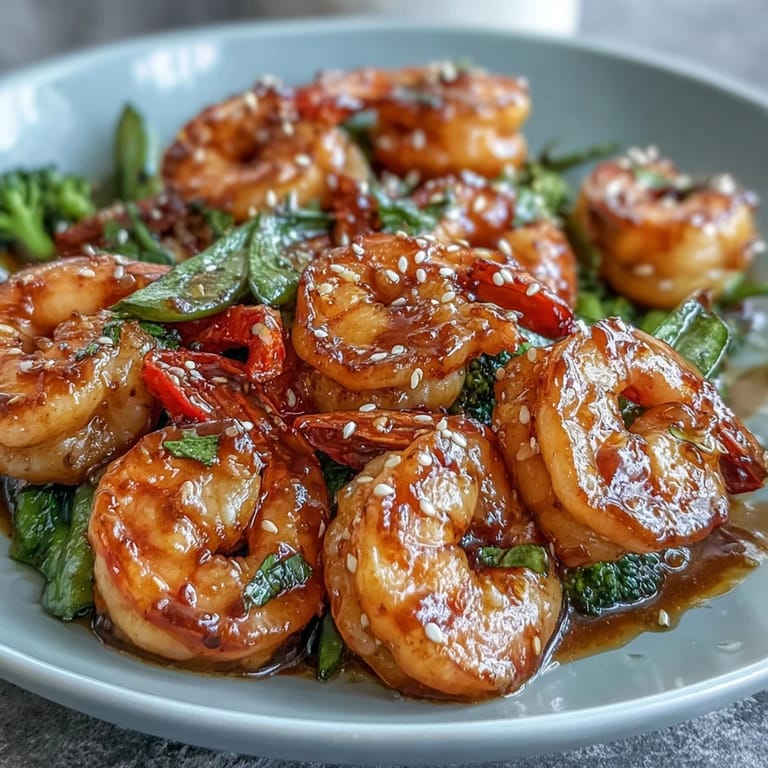
- Return the shrimp to the pan along with the green onions, then pour the sauce over everything. Stir constantly for two to three minutes while the cornstarch does its thing and turns the sauce glossy and thick.
- Finish and serve:
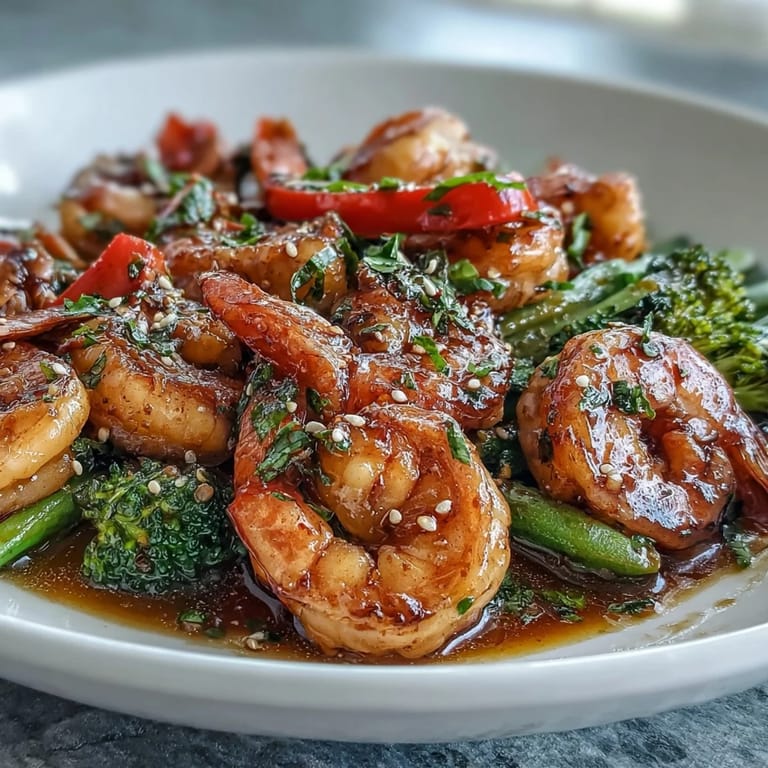
- Sprinkle with sesame seeds and fresh cilantro if you have them, and get it on the plate immediately while the vegetables are still bright and the sauce is still clinging. Serve over steamed rice or noodles, which will catch any extra sauce you're definitely going to want.
 Save to Pinterest
 The first time I made this for my partner after a long week at work, the kitchen was warm and smelled like somewhere far away and peaceful. Something about watching the colors brighten as everything came together made the exhaustion of the day feel smaller, and that's when I understood that sometimes the right meal at the right time is medicine.
The Sauce Secret
The magic of this stir-fry lives entirely in getting that sauce right, and it's less about following measurements exactly and more about understanding the balance. You want salty from the soy, sweet from the honey, bright from the vinegar, and nutty from the sesame—when you taste a tiny spoonful before cooking, it should make your mouth sit up and pay attention, a little bold on its own but knowing it'll mellow against the proteins and vegetables. If it tastes flat, add a touch more vinegar for brightness or honey for smoothness, and taste again.
Heat and Timing
The entire point of a stir-fry is that everything moves fast, and that's only possible with genuine high heat—not medium-high but the kind of heat that makes you slightly nervous. A wok distributes heat better than a regular skillet because of its shape, but either works as long as your pan is big enough that ingredients aren't crowded and steaming instead of searing. The moment you add something cold to the pan, the temperature drops, so give yourself a few seconds for it to climb back before stirring aggressively.
Variations and Personal Touches
This recipe is deliberately built to bend and flex based on what you have or what you're craving on any given night. Chicken breast cut into bite-sized pieces cooks in the same time as shrimp and tastes equally good, tofu soaks up that sauce like it was waiting for it, and you could use snap peas exclusively if you love them or trade in broccoli for bok choy. For heat, add red pepper flakes or fresh chili to the sauce, and if you need it gluten-free, swap regular soy for tamari and check your oyster sauce label.
- Swap proteins freely but keep the pieces roughly the same size so cooking time stays consistent.
- Add cashews or peanuts at the end if you want texture and protein, stirring them in just before serving so they stay crunchy.
- Taste the finished dish before plating and adjust salt or vinegar if it feels like something's missing.
 Save to Pinterest
 This dish lives in that perfect space where weeknight cooking stops feeling like a chore and starts feeling like something you're genuinely excited to make. It's the kind of meal that makes people ask for the recipe, which honestly is the best compliment a home cook can get.
Recipe FAQs
- → What type of shrimp works best?
Large peeled and deveined shrimp offer the best texture and cook evenly within minutes, maintaining juiciness.
- → How can I keep vegetables crisp?
Stir-fry vegetables quickly over high heat, cooking just until tender-crisp to preserve their vibrant color and crunch.
- → Can I add heat to the stir-fry?
Yes, a pinch of red pepper flakes or fresh chili slices can be added during cooking to introduce spiciness.
- → Is it possible to substitute shrimp?
Chicken or tofu can be used as alternatives for different textures and dietary preferences without altering the sauce.
- → What is the role of cornstarch in the sauce?
Cornstarch acts as a thickening agent, giving the sauce a glossy finish and helping it cling to the ingredients.
- → How should leftovers be stored?
Store in an airtight container in the refrigerator and consume within two days for optimal freshness and safety.