 Save to Pinterest
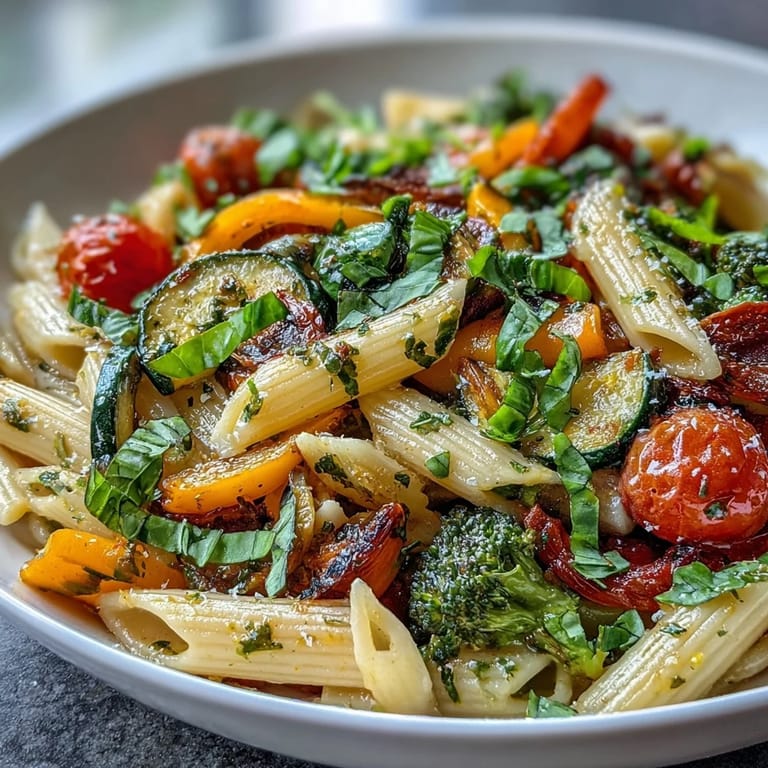
 There's something about cooking pasta in one pot that feels like a small act of rebellion against kitchen chaos. I discovered this method on a particularly hectic Tuesday when I had no patience for multiple pans and an even shorter attention span for cleanup. The magic happens when the pasta absorbs all that vegetable broth, turning each strand into something tender and impossibly flavorful, while the vegetables surrender their essence into every bite. What started as a lazy-day dinner became the recipe I keep returning to when I want something that tastes deliberate but requires almost no effort.
I made this for my friend Marco who had just gone vegan, and I was honestly nervous he'd pick at it politely while mentally ordering takeout later. Instead, he asked for the recipe before he'd even finished his first plate, and now he texts me photos of his versions with whatever vegetables he finds at the market. There's something about feeding someone a meal that changes their expectations of what plant-based cooking can be.
Ingredients
- Dried penne or fusilli, 340 g (12 oz): Penne cups hold the broth beautifully, but fusilli works just as well if you like the way it tangles with vegetables; always check the box to confirm it's vegan since some brands sneak in egg.
- Red onion, 1 small, thinly sliced: The thin slices soften quickly and turn almost sweet as they cook down in the pot, adding depth without overpowering.
- Garlic, 2 cloves, minced: Fresh garlic is non-negotiable here; it builds the foundation of flavor that makes everything else taste intentional.
- Red and yellow bell peppers, 1 small each, sliced: The colors aren't just pretty—they bring different flavor notes, with yellow being slightly sweeter and red more savory.
- Zucchini, 1 medium, sliced into half-moons: Half-moons cook more evenly than rounds and look elegant without requiring any real knife skill.
- Cherry tomatoes, 1 cup (150 g), halved: Halving them lets the heat open them up gently, releasing their juice throughout the pot as a natural sauce base.
- Snap peas or green beans, 1 cup (120 g), trimmed: These add a pleasant snap against the softer vegetables and a bright, almost grassy note that keeps the dish from feeling heavy.
- Broccoli florets, 1 cup (100 g): They soften into the broth while keeping some structure, and honestly, they make the whole pot look more abundant.
- Low-sodium vegetable broth, 900 ml (4 cups): This is where the real cooking happens; the pasta drinks it all up, so choose one you'd actually taste on its own.
- Extra-virgin olive oil, 2 tbsp: Quality matters here since it's not cooking long enough to mellow out, and it becomes part of the final flavor profile.
- Sea salt and black pepper: Start with the amounts listed but taste as you go; you're seasoning pasta and vegetables, which are both forgiving.
- Red pepper flakes, a pinch: Optional, but they whisper heat without shouting, adding complexity that makes people ask what that subtle warmth is.
- Lemon, zest and juice of 1: The zest goes in first and gets toasted slightly by the residual heat, intensifying its brightness before the juice adds tang.
- Fresh basil leaves, ½ cup (15 g), torn: Tear basil by hand instead of chopping—it bruises less and releases oils more gently, keeping that fresh garden flavor intact.
- Nutritional yeast, 2 tbsp: If you want that subtle cheesy undertone, sprinkle it in; it dissolves into the broth and adds a savory depth without any dairy.
Tired of Takeout? 🥡
Get 10 meals you can make faster than delivery arrives. Seriously.
One email. No spam. Unsubscribe anytime.
Instructions
- Soften the aromatics:
- Heat olive oil in a large pot over medium heat, then add the onion and garlic, letting them sizzle together for 2 to 3 minutes until they turn translucent and fragrant. You'll know they're ready when the kitchen smells like something good is about to happen.
- Build the vegetable layer:
- Toss in all the bell peppers, zucchini, cherry tomatoes, snap peas, and broccoli, stirring constantly for 3 to 4 minutes. You want them to soften just slightly and release their flavors into the oil without getting fully cooked yet.
- Combine everything in the pot:
- Add the dried pasta, vegetable broth, salt, pepper, and red pepper flakes, stirring well to make sure the pasta isn't clumping. The mixture should look like a loose soup at this point, and that's exactly what you want.
- Let it simmer and absorb:
- Bring everything to a boil over high heat, then dial it back to a gentle simmer and cook uncovered for 10 to 12 minutes, stirring frequently. The pasta will gradually absorb the broth while staying tender, and you'll see the liquid level drop steadily.
- Finish with brightness:
- Once the pasta is al dente and most liquid is gone, remove from heat and stir in the lemon zest, lemon juice, torn basil, and nutritional yeast if you're using it. Taste and adjust salt and pepper—this is your moment to make it exactly right.
- Serve and savor:
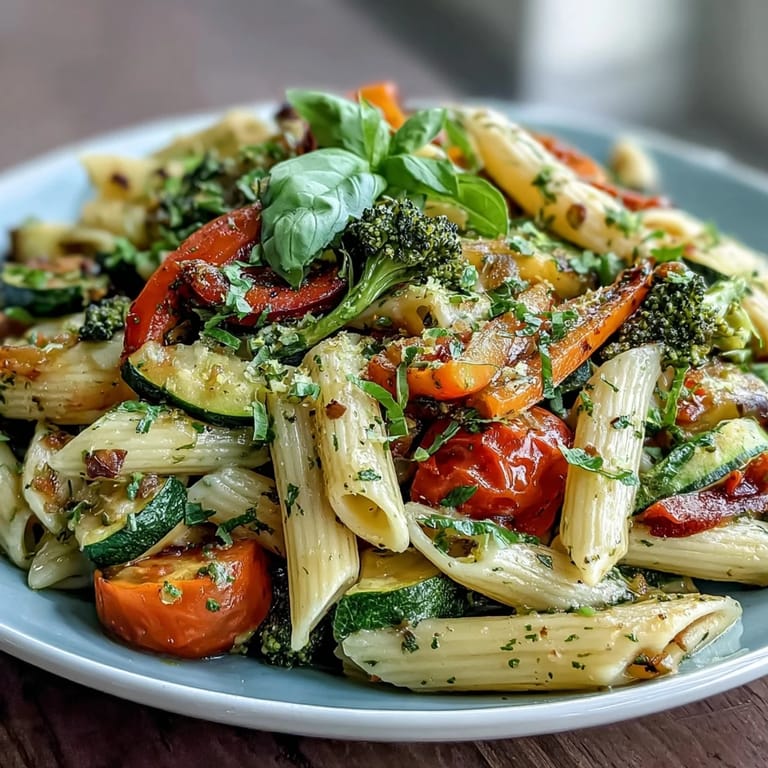
- Divide into bowls immediately while everything is warm and the basil is still vibrant, then drizzle with a bit more olive oil and scatter extra basil on top if you have it.
 Save to Pinterest
 The first time I served this to a table of mixed eaters—vegan, vegetarian, and committed meat-eaters—nobody mentioned dietary restrictions even once. Everyone was too busy asking for seconds and whether they could take leftovers home.
Why This Works as a One-Pot Meal
Cooking pasta directly in the broth instead of in salted water is the secret that makes this entire approach work. The pasta acts like a sponge, soaking up all the vegetable flavors while releasing starch that becomes a light, silky sauce without cream or oil added separately. It's an old Italian technique that somehow feels brand new when you apply it to a plant-based dinner, and once you understand why it works, you'll start seeing possibilities everywhere.
Improvising with Seasonal Vegetables
The vegetables I've listed are what I grab most often, but this recipe genuinely welcomes whatever your market or garden offers. Spring calls for asparagus and peas; summer begs for more tomatoes and maybe some thinly sliced fennel; fall works beautifully with mushrooms and spinach stirred in at the end. The only rule is keeping everything in roughly similar-sized pieces so they cook together at the same pace, and respecting that heartier vegetables like carrots should go in with the aromatics while delicate greens like spinach join right at the end.
Elevating the Finish
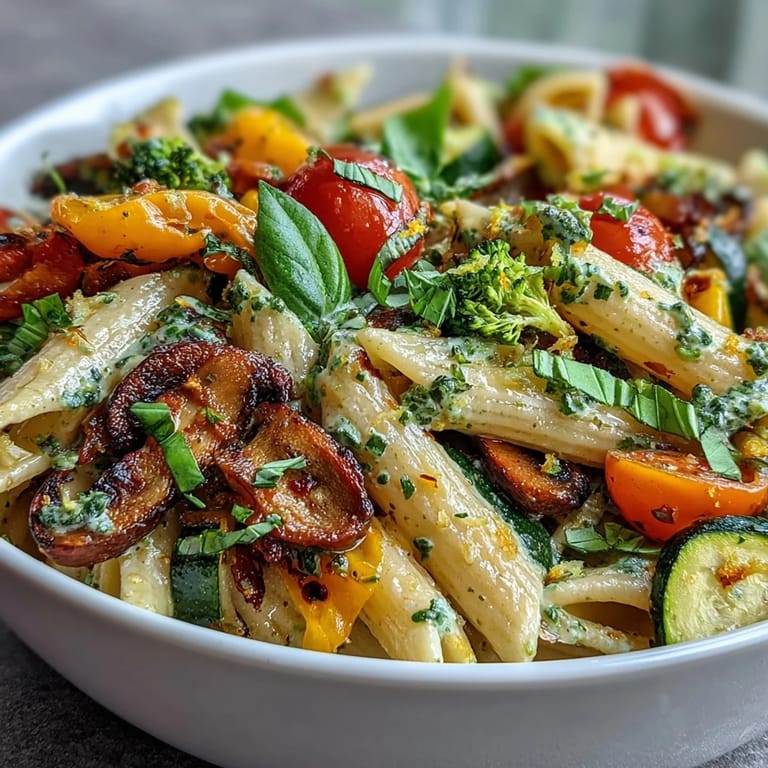
The final moments before serving are when this dish transforms from dinner into something memorable. The lemon and basil are non-negotiable, but everything after that is fair game for personal expression and whatever you have on hand. A handful of toasted pine nuts adds buttery richness and crunch; vegan parmesan creates a savory complexity; even a few whole basil leaves scattered on top as garnish make the bowl look like you spent all afternoon cooking instead of twenty minutes.
- Toast any nuts you're adding in a dry pan first to deepen their flavor and bring out their natural oils.
- Fresh pasta water reserved from other dishes can substitute for some of the broth if you ever want to experiment with texture.
- This dish is best enjoyed immediately, but leftovers keep well in the refrigerator for up to three days if you store the basil separately and add it fresh when reheating.
 Save to Pinterest
 This recipe works because it respects the vegetables while celebrating them, and it proves that simple cooking with good ingredients and enough attention is all you ever really need. Make it once exactly as written, then make it a hundred times your own way.
Recipe FAQs
- → Can I use gluten-free pasta for this dish?
Yes, gluten-free pasta varieties can be substituted to make this dish gluten-free without compromising flavor.
- → What vegetables work best for a seasonal variation?
Asparagus, peas, spinach, or green beans are excellent seasonal alternatives to switch up the vegetable mix.
- → How can I add a cheesy flavor without dairy?
Sprinkling nutritional yeast towards the end of cooking provides a savory, cheesy flavor while keeping the dish vegan.
- → Is it important to stir the pasta while cooking?
Stirring often prevents the pasta from sticking to the pot and helps cook it evenly in the vegetable broth.
- → What wine pairs well with this pasta?
A crisp Sauvignon Blanc or sparkling water with a hint of lemon are great beverage choices to complement the fresh flavors.
- → Can I prepare this dish ahead of time?
For best texture and flavor, it’s recommended to serve immediately, but leftovers can be gently reheated with a splash of broth or water.