 Save to Pinterest
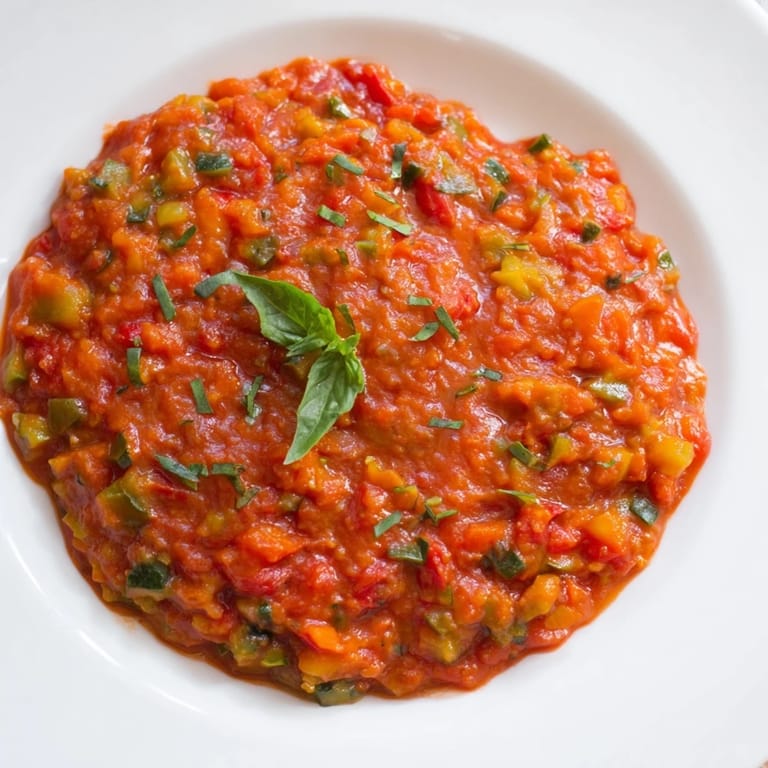
 There's something magical about the moment when a pot of simmering vegetables transforms into silky, vibrant sauce—when all those chopped bits of carrot and zucchini disappear into something deeper and more delicious than their individual parts. I discovered this sauce years ago when I was determined to sneak more vegetables into my pasta without anyone noticing, and it became my secret weapon for making weeknight dinners feel both comforting and genuinely nourishing.
I remember making this for a small dinner party on a crisp autumn evening when one guest casually mentioned she was trying to eat more vegetables but got bored with salads. By the end of the meal, she was asking for the recipe, convinced I'd spent hours on it, and I got to smile quietly into my wine knowing I'd just simmered it for thirty-five minutes.
Ingredients
- Carrots: They add natural sweetness and body to the sauce, softening completely into the blend so there's no grittiness.
- Zucchini: Works quietly in the background, thickening the sauce and adding moisture without asserting any veggie flavor.
- Bell pepper: Red or orange ones are sweeter and more forgiving than green; they give the sauce a subtle depth and brightness.
- Onion and celery: These are your aromatic foundation—the reason the whole kitchen smells like something wonderful is happening.
- Garlic: Two cloves are your minimum; go to three if you're in the mood for extra personality.
- Crushed tomatoes: Use good quality if you can; they're the backbone, so they matter more than you'd think.
- Tomato paste: This concentrated umami bomb transforms the sauce from pleasant to unforgettable—don't skip it or cut back.
- Olive oil: Just enough to coat the pan and start the soften; this isn't a heavy sauce.
- Oregano and basil: Dried herbs work perfectly here, blooming into the sauce as it simmers and getting more fragrant with time.
- Salt, pepper, and sugar: The salt brings everything into focus, the pepper adds a subtle bite, and a tiny pinch of sugar rounds out any sharpness from the tomatoes.
Tired of Takeout? 🥡
Get 10 meals you can make faster than delivery arrives. Seriously.
One email. No spam. Unsubscribe anytime.
Instructions
- Build your aromatic base:
- Heat the olive oil in your saucepan and add the onion, carrot, celery, zucchini, and bell pepper. You're not trying to brown them—just let them soften and become tender over eight to ten minutes, stirring now and then so nothing sticks.
- Wake up the garlic:
- Once the vegetables are getting soft, add the minced garlic and let it cook for about a minute until your kitchen smells absolutely incredible.
- Deepen the flavor:
- Stir in the tomato paste and cook it in the pan for a minute—this small step does something important to the flavor that you'll notice immediately.
- Build the sauce:
- Pour in the crushed tomatoes and add the oregano, basil, salt, pepper, and sugar if you're using it. Give everything a gentle stir and bring it to a quiet simmer.
- Let it all become one:
- Cover the pan and let it simmer gently for twenty to twenty-five minutes, stirring occasionally. You're waiting for the vegetables to become so soft they're practically falling apart—that's when the magic happens.
- Blend it smooth:
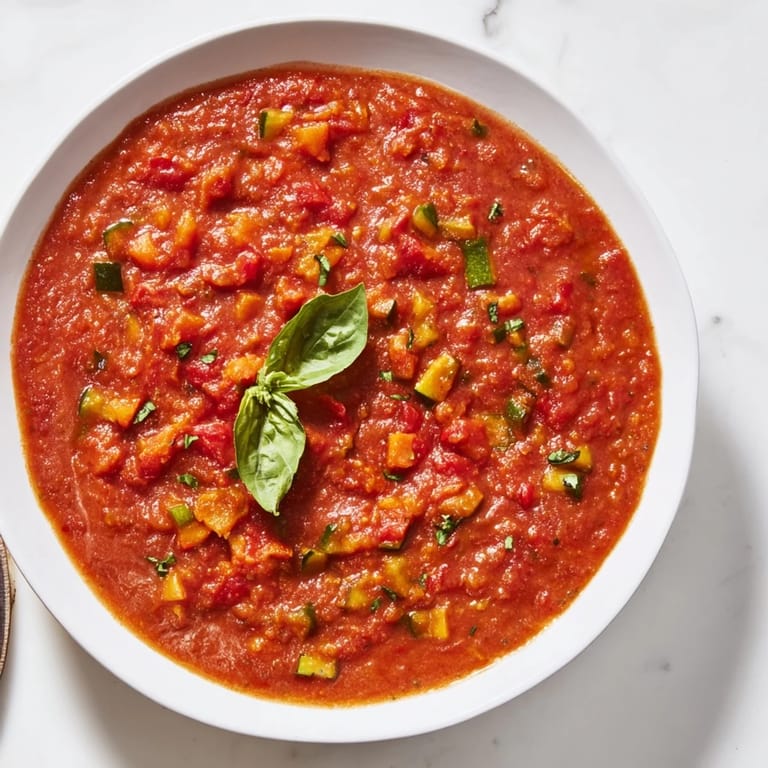
- Remove the pan from heat and use an immersion blender to purée everything until it's completely silky. If you don't have an immersion blender, carefully transfer the sauce to a regular blender in batches and blend until smooth.
- Finish strong:
- Return the blended sauce to low heat and let it simmer uncovered for five to ten minutes more. Taste it now and adjust the seasoning—this is where the sauce becomes truly yours.
 Save to Pinterest
 There was a moment about halfway through my third batch of this sauce when I realized it had stopped being an experiment and become part of my regular rotation. It was on a Tuesday, nothing special, but the sauce was bubbling away on the stove while I did something else entirely, and that's when I knew it was good.
Customizing Your Sauce
The beauty of this sauce is how easily it welcomes additions without getting confused about its identity. If you want to slip in some spinach or broccoli florets, add them during the simmering stage and let them break down into the sauce. I've also stirred in cooked lentils or white beans after blending for something heartier, and the sauce becomes almost a light stew in the best way possible.
Pairing and Serving
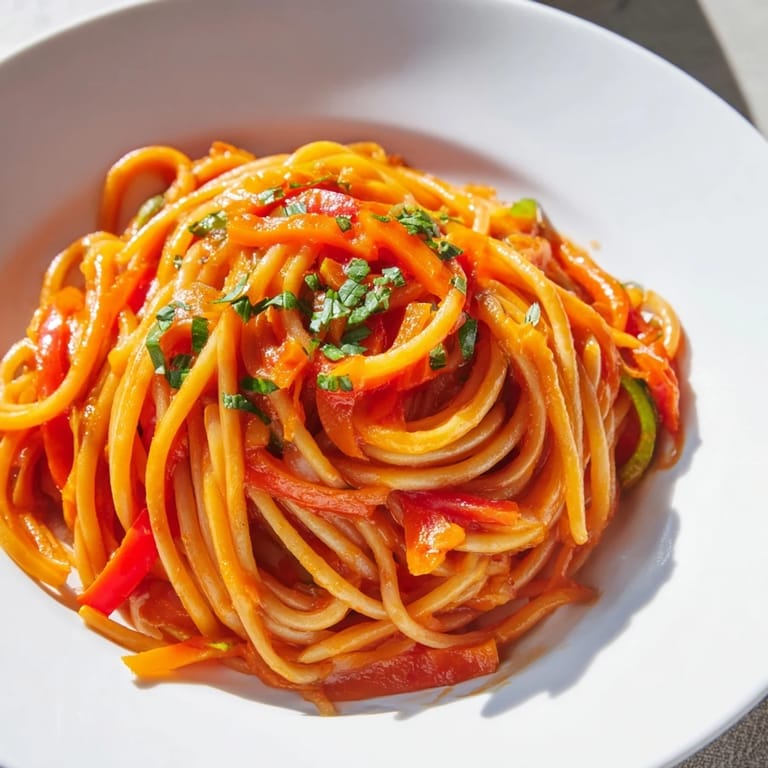
This sauce works with practically any pasta shape, but I find myself reaching for something simple—spaghetti or penne—so the sauce is the star. A light grating of Parmesan and a handful of fresh basil finish it perfectly, but it's wonderful on its own too. It's equally at home on a busy weeknight where you're cooking with one hand and doing something else with the other, or on a Sunday when you have time to make a whole spread around it.
Storage and Make-Ahead Magic
This is the kind of sauce that actually improves your life if you have a few containers in the freezer. It keeps beautifully for up to three months, which means on nights when cooking feels impossible, you've got dinner solved in the time it takes pasta to boil. I portion mine into smaller containers so I'm not thawing more than I need, and on particularly hectic weeks, I'm grateful past-me thought ahead.
- Let the sauce cool completely before freezing to protect your container and ensure even thawing.
- If you're storing in the refrigerator, it keeps for about five days in an airtight container.
- Thaw overnight in the refrigerator, or gently reheat from frozen on the stovetop over low heat.
 Save to Pinterest
 This sauce has become the kind of thing I make without thinking, which is exactly what a good recipe should do. It's nourishing without feeling like an obligation, and somehow it makes everyone happier to eat.
Recipe FAQs
- → Can I use fresh tomatoes instead of canned?
Fresh tomatoes can be used if cooked down properly to create a similar consistency, but canned crushed tomatoes provide a reliable texture and flavor.
- → How can I make the sauce spicier?
Add a pinch of red pepper flakes during simmering to introduce a subtle heat that complements the vegetables.
- → What’s the best way to puree the sauce smoothly?
Use an immersion blender directly in the pot or transfer the sauce in batches to a countertop blender for a creamy texture.
- → Can I add other vegetables for extra nutrition?
Yes, spinach, broccoli florets, lentils, or white beans can be incorporated for added texture and nutrients.
- → How should I store leftovers?
Store in an airtight container in the fridge for up to 3 days or freeze for up to 3 months without losing flavor.